By Abubakar Yusuf
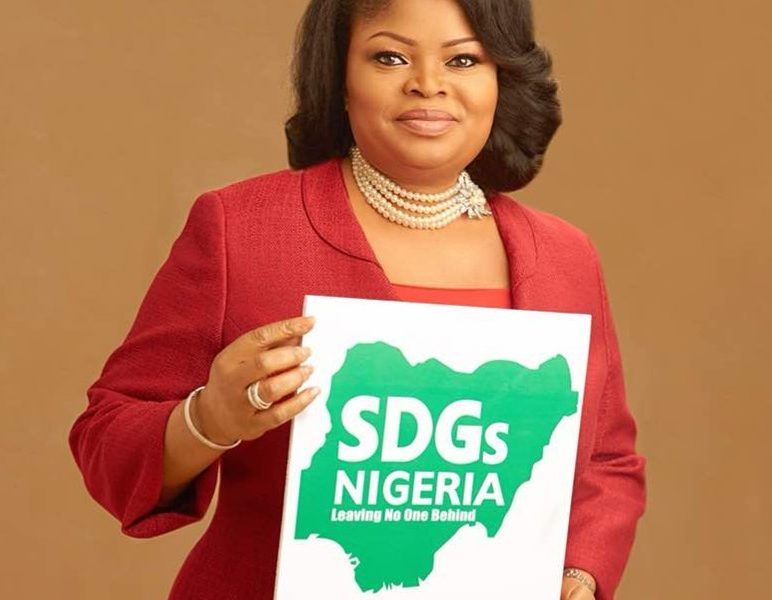
As the world rallies around the Sustainable Development Goals (SDGs), the Office of the Senior Special Assistant to the President on SDGs (SSAP-SDGs), led by Princess Adejoke Orelope-Adefulire, has intensified efforts to advance the emancipation of women and girls. These efforts align with the UN’s 2030 Agenda, which prioritises gender equality as central to sustainable development.
Women and girls, often described as the lifeblood of families, now command renewed global and local attention under the 17 SDGs, international protocols, and domestic policies. The annual observance of International Women’s Day (IWD) underscores this commitment—recognising that empowering a woman empowers an entire household.
As the adage goes: empowering women and girls is empowering the whole family. Consequently, concerted action by governments and the private sector remains indispensable. The SDGs’ proactive stance on women’s development through sustained investment is a direct solution to both local and global crises.
Given the resilience, achievements, and contributions of women to national and global progress, attention to their cause must move beyond lip service. The UN, through SDGS-backed programmes, has consistently advocated for greater investment from public and private sectors, as well as from public-spirited individuals.
Goal 5 of the SDGs—gender equality—has demonstrated clear multiplier effects, including poverty reduction, improved access to education and health, economic growth, and social inclusion for women and girls. Observers note that bearing this moral burden of empowerment will help close persistent development gaps.
With the SDGs’ unwavering commitment to women and girls, multiple opportunities and significant benefits are emerging for families, communities, and nations. This has galvanised greater local and international resolve to position women as vital tools for sound leadership and governance. Without their inclusion, the UN’s SDG targets risk falling short.