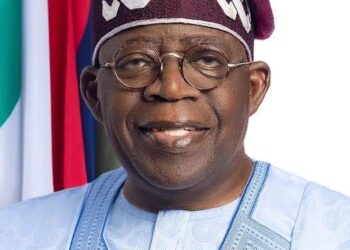

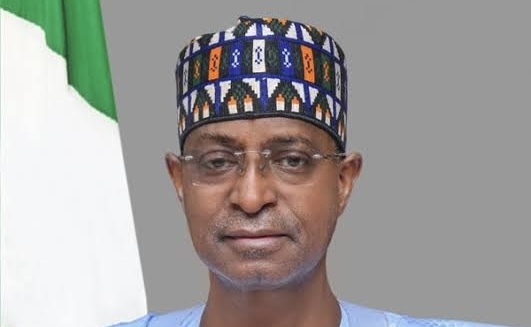
The Federal Government has called on pastoralists nationwide to embrace sedentary livestock production as a means of improving animal breeds, pasture development, and overall livestock management.
The Minister of Livestock Development, Idi Maiha, made the appeal during an interactive session with the Miyetti-Allah Fulaku Yeso Yeso Development Association (MAFYDA) on Thursday in Abuja.
Maiha identified the sedentarisation and modernisation of livestock production as key priorities for his ministry in reforming the sector. He expressed concern over the continued migration of livestock in search of pasture and water, describing the practice as no longer viable or profitable.
According to him, population growth, the expansion of crop cultivation, and climate change have rendered open grazing increasingly unsustainable.
“Natural grasslands are no longer readily available, and animals are highly malnourished in many parts of the country. The adoption of sedentary livestock production is essential and must be embraced by pastoralists,” he said.
The minister disclosed that the Federal Government plans to develop 417 grazing reserves nationwide to encourage pastoralists to settle and adopt modern livestock production practices.
He urged pastoralist organisations to sensitise their members on the need for sector-wide reforms, including pasture cultivation, breed improvement, animal identification, and ranching.
Maiha described ranching as a livestock production system confined to a defined land area, adding that its adoption would promote peaceful coexistence between farmers and herders.
“Pastoralists can acquire land within grazing reserves for ranching purposes. These can be individual or community ranches where livestock production takes place within designated grazing areas. The ministry is currently working with state governments to develop grazing reserves with adequate feed, veterinary services, and water supply,” he said.
Ministry’s reform agenda
Maiha noted that the ministry was established by President Bola Tinubu in July 2024 to drive innovation, sustainable growth, and private sector participation in the livestock industry.
He said the ministry is focused on transforming traditional livestock management practices, improving productivity, and moving the sector from the informal to the formal economy.
“The goal is to ensure the sector contributes significantly to GDP, creates jobs for millions of youths, and produces enough meat, dairy, and other animal products for domestic and export markets,” he added.
The ministry’s strategy, he said, aims to build a resilient, sustainable, and inclusive livestock sector through policies that improve access to finance, markets, and modern technologies.
Stakeholder response
Earlier, the National President of MAFYDA, Abubakar Suleiman, represented by the association’s National General Secretary, Moh’d Dodo, said the group was committed to preserving Fulani cultural values and promoting peaceful coexistence.
Suleiman called for the establishment of an Office of the Special Assistant to the President on Fulani Matters. He also appealed for government support in creating modern grazing reserves, youth employment, and expanding the livestock value chain.
He noted that improved grazing facilities would reduce livestock movement and help minimise farmer-herder conflicts.
He further sought structured engagement with security agencies, including the Office of the National Security Adviser (ONSA), the State Security Service (SSS), the Nigerian Army, and the Nigeria Police Force, to strengthen early warning systems, conflict prevention, peacebuilding, and the protection of rural livelihoods.
Suleiman reaffirmed the association’s commitment to peace, national unity, and harmonious coexistence among Nigerians.