
The Federal Government has officially condemned the crowning of Eze Ndigbo in foreign countries, describing the practice as embarrassing and a potential source of diplomatic and communal strife.
In a statement issued on Thursday by Dr. Magnus Eze, Special Assistant on Communication and New Media to the Minister of State for Foreign Affairs, the government said it is collaborating with Ohanaeze Ndigbo Worldwide and the South East Council of Traditional Rulers to abolish the trend entirely outside Igboland.
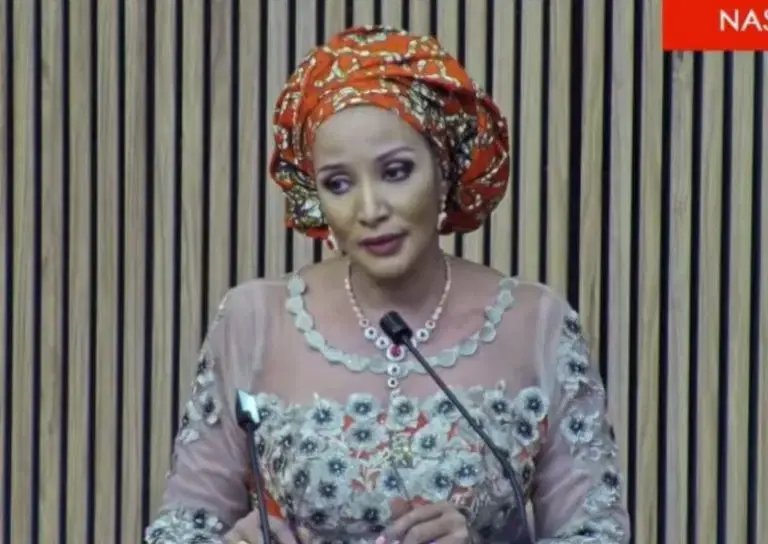
Minister of State for Foreign Affairs, Bianca Odumegwu-Ojukwu, raised the alarm during a meeting of Imeobi – the highest decision-making body of Ohanaeze – in Enugu. She noted that while Igbo associations abroad often hold cultural events to celebrate their heritage, the establishment of traditional rulership structures overseas has repeatedly sparked internal conflicts and friction with host nations.
“The situation has become a great embarrassment to the government, Ndigbo, Nigerians, and other foreigners in those countries where they have Eze Ndigbo,” she said.
The government’s position follows recent unrest in South Africa’s Eastern Cape, triggered by the controversial coronation of an Igbo leader as Eze Ndigbo in East London. The event led to protests by local groups and traditional leaders, resulting in violence, property destruction, and clashes with security agencies.
South African authorities, including the Department of Cooperative Governance and Traditional Affairs, reportedly declared the installation illegal, with local traditional institutions calling it a violation of established customs.
Mrs Odumegwu-Ojukwu said Nigeria’s Ministry of Foreign Affairs is engaging through diplomatic channels to manage the fallout. She added that the Nigerian mission in South Africa had distanced itself from the coronation, describing it as a cultural event that was misinterpreted – not an officially recognised traditional institution.
She also recalled a similar incident in Ghana in July 2025, which led to tensions and threats against Nigerians living there. The situation was later resolved through high-level diplomatic engagement with Ghana’s government, including a meeting with President John Mahama, who rejected xenophobia and reaffirmed regional cooperation under ECOWAS protocols.
Meanwhile, Ohanaeze has formally adopted the position of South East traditional rulers, abolishing the Eze Ndigbo title in the diaspora. Its President General, Senator Azuta Mbata, declared that the organisation would no longer recognise such titles outside Igboland and plans to notify governments and embassies worldwide.
“Anybody who is awarded that type of title anywhere outside Igboland is on his own. It is unknown to the Igbo people,” he said. “We will call upon all state governors and correspond with all embassies to inform them about the position of Ndigbo.”
He added that sanctions would be introduced for violators, enforced through community structures across Igboland.
The Federal Government has assured that it will support the dissemination of the directive through its foreign missions and high commissions to prevent further misunderstandings abroad.