

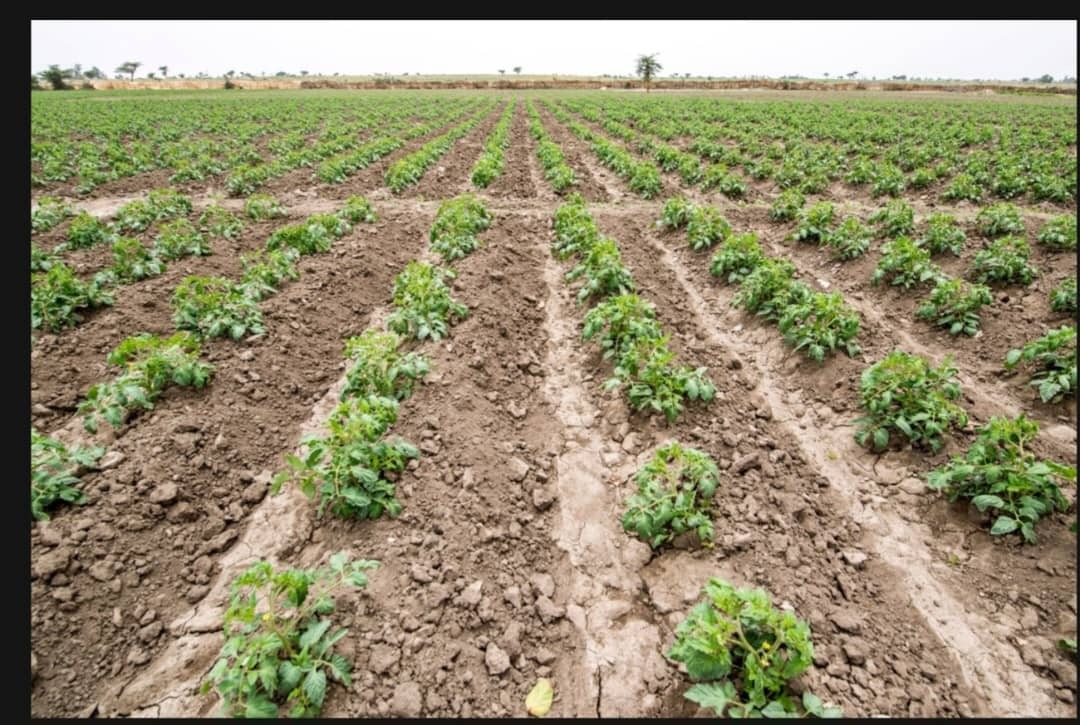
A high-impact side event at the Africa Food Systems Forum (AFSF) 2025 delivered a powerful, unified message: reversing Africa’s catastrophic soil degradation is no longer a peripheral environmental issue but the central pillar upon which all agricultural and economic progress must be built.
The session, “From the Ground Up: Scaling Soil Health Solutions for Planet and People,” gathered policymakers and technical leaders to discuss the practical implementation of the African Union’s flagship frameworks, including the CAADP Kampala Agenda and the Africa Fertilizer and Soil Health (AFSH) Action Plan.
The urgent need for action was starkly presented by Henk van Duijn, President and CEO of IFDC, who noted that the Soil Values Program is directly focused on the “action on the ground” required to domesticate continental ambitions.
The goal is clear: address climate adaptation, fight desertification, and, most critically, accelerate food production. Soil degradation, which affects up to 80% of Africa’s cultivated land, threatens to reduce food production by 30 million metric tonnes of grain annually, a deficit that could feed up to 90 million people.
The Soil Values Program, a 10-year, €100 million initiative, aims to be a living example of how the Nairobi Declaration’s call for restoring soil health on at least 30% of degraded land can be achieved at scale across West Africa.
The core challenge discussed by the panel was translating proven Integrated Soil Fertility Management (ISFM) practices from research plots into widespread national policy. Speakers emphasized that this scale-up demands a shift from pilot project dependency to strategic integration.
Professor Abdou Tenkouano, Executive Director of CORAF, stressed that the new narrative must place farmers at the center of the innovation process, leveraging Innovation Platforms that connect research institutions, universities, and markets.
This integrated approach, he argued, is vital to generate the “evidence base” required for mainstreaming these solutions into national policies, ensuring they align with the CAADP process and national agricultural strategies rather than remaining isolated technological successes.
The consensus underscored that investing in soil is investing in resilience, a non-negotiable step toward securing the continent’s long-term food sovereignty.