

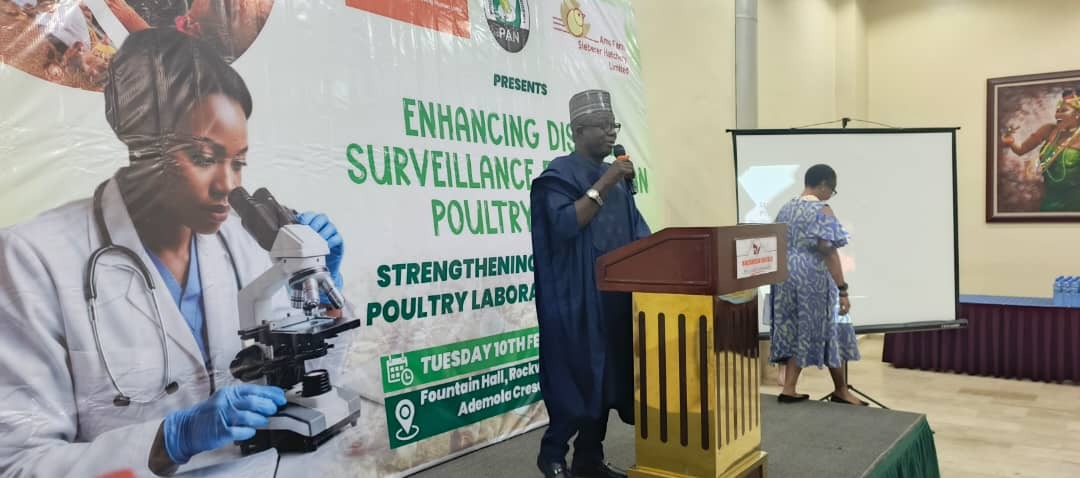
In a decisive move to secure the nation’s food system and agricultural economy, the Federal Government has formally reaffirmed its commitment to establishing a modern, integrated, and responsive poultry disease surveillance network. The initiative, announced at a high-level training summit in Abuja, is designed to directly shield poultry farmers, ensure consumer safety, and stabilise a sector deemed vital to national food security.
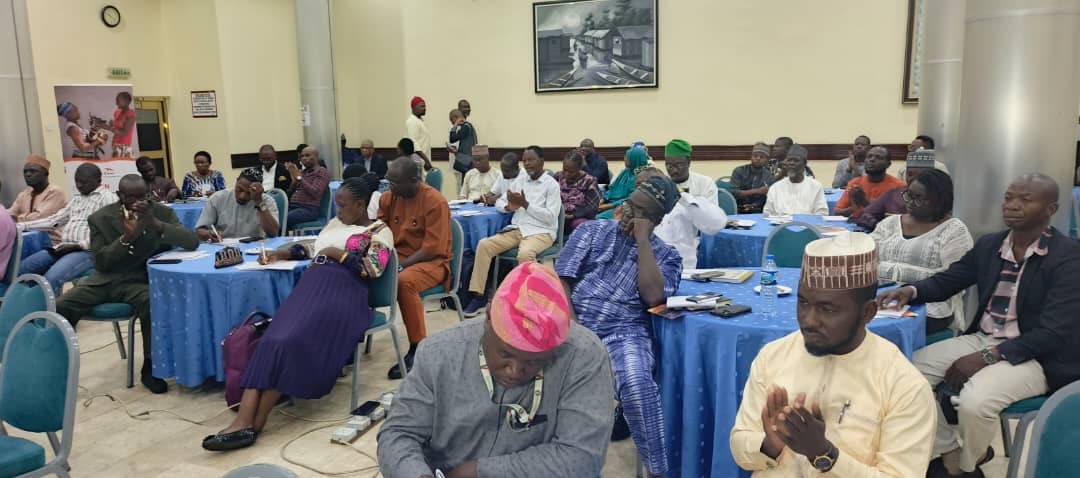
The declaration was made by the Chief Veterinary Officer of Nigeria, Dr Anzaku Samuel, during the opening of an intensive training workshop for one hundred selected poultry farmers from all 36 states and the Federal Capital Territory. The session, focused on strengthening private-sector poultry laboratories, underscores a strategic pivot towards a more robust animal health infrastructure.
“This administration is embarking on aggressive sensitisation of our farmers, having realised that disease remains the single greatest threat to the poultry sector,” Dr Anzaku stated. He emphasised that proactive disease surveillance is no longer optional but an imperative national priority. Outbreaks, he noted, have cascading detrimental effects, crippling productivity, compromising feed efficiency, reducing egg output, undermining trade confidence, and jeopardising consumer safety.
The cornerstone of the new approach is enhanced collaboration between the public and private sectors. Dr Anzaku highlighted the critical need to improve diagnostic turnaround times. “Farmers must receive laboratory results quickly enough to make timely, effective management decisions,” he asserted. He further urged standardisation of disease reporting pathways to ensure information flows seamlessly between veterinarians, laboratory diagnosticians, and producers. This, he said, would transform the national surveillance posture from a reactive to a proactively preventive system.
The training was organised in concert with the Global Alliance for Livestock Veterinary Medicine (GALVmed), an international non-profit organisation. Dr Anzaku commended GALVmed for its partnership, stating the initiative would materially strengthen Nigeria’s animal health system.
Echoing this sentiment, the Country Manager of GALVmed, Dr Moses Arokoyo, detailed the training’s objective: to instil a diagnostic and preventive mindset as the primary methodology for disease management. “Shifting focus to prevention and rapid diagnosis is key to enhancing profitability and sustainability for poultry farmers across Nigeria,” Dr Arokoyo explained. He stressed the symbiotic relationship required for success, noting that while vital data resides with farmers, the government requires this information for accurate sectoral planning and intervention.
Dr Arokoyo also presented a dual appeal to the Federal Government: to streamline import regulations for essential veterinary supplies and to intensify capacity-building efforts for farmers in rural areas, thereby promoting inclusivity and enhanced productivity.
The industry’s challenges, however, extend beyond disease control. The Director-General of the Poultry Association of Nigeria (PAN), Mr Onalo Akpa, who also attended the forum, identified soaring production costs as a parallel crisis threatening the sector’s viability. Mr Akpa called on the government to engage professionals from both the livestock and crop sectors to mediate and stabilise the supply chain for raw materials.
“We must strike a sustainable balance between producers of grains and livestock farmers to check the relentless rise in feed costs,” Mr Akpa stated. He pointed to the heavy reliance on imported raw materials—such as maize and soybeans—as a significant factor driving up expenses and exerting severe pressure on the broader economy. This cost crisis, he warned, undermines profitability even when disease outbreaks are averted.
The Abuja training provided a rare, consolidated platform for farmers and stakeholders nationwide to deliberate on these interconnected hurdles. The consensus was clear: while an advanced disease surveillance system is a foundational pillar for growth, it must be part of a holistic policy package that addresses input costs, market access, and rural empowerment.
Analysis: A Strategic Imperative for Economic and Food Security
The Federal Government’s reinforced focus on poultry health surveillance is a strategically significant development. Nigeria’s poultry industry, valued at several trillion naira, is a major employer and a primary source of animal protein for its population. The sector has historically been vulnerable to devastating outbreaks of diseases like Avian Influenza, which have led to massive bird culls, economic losses running into billions, and trade restrictions.
Investing in a modern surveillance system represents a forward-thinking approach to risk management. By enabling early detection and rapid response, the government aims to minimise future outbreaks’ scale and economic impact. The involvement of the private sector through its laboratory networks is particularly astute, leveraging existing infrastructure and expertise to create a more resilient and decentralised network.
Furthermore, this initiative aligns with global best practices in veterinary public health and meets key objectives outlined in international frameworks for animal disease control. A successful implementation would bolster Nigeria’s standing in international trade forums, potentially opening up new export opportunities for poultry products.
Nevertheless, as highlighted by industry leaders, the surveillance system’s success is intertwined with the sector’s overall economic health. High production costs, driven by feed imports and forex challenges, threaten farm viability. A disease-free but financially unprofitable sector cannot achieve its potential. Therefore, policymakers must heed the call for concurrent strategies to stabilise the feed supply chain, perhaps through incentives for local grain production and strategic reserves.
Conclusion
The Abuja workshop marks a pivotal step in Nigeria’s journey towards a more secure and productive poultry industry. The Federal Government’s commitment, backed by international expertise from GALVmed and grounded in the practical realities expressed by farmers through PAN, outlines a multi-faceted path forward.
Building a world-class disease surveillance system is a complex, long-term undertaking that requires sustained funding, technical rigour, and unwavering collaboration. If successfully implemented alongside policies that address production cost inflation, it promises to transform the poultry landscape. The outcome will be a more protected food system, a strengthened rural economy, and a more resilient national economy—a trifecta of benefits worthy of the concerted effort now being championed from the nation’s capital. The eyes of the agricultural sector and the consuming public will now be on the translation of this commitment into tangible, field-level results in the months and years to come.