
By Dr. Jumai Ahmadu
The National Women Mega Empowerment and Rally 2026, held on Tuesday May 5, 2026 at the iconic Moshood Abiola National Stadium, Abuja, was more than a gathering, it was a defining national moment.
With the powerful theme, “The Power of 10 Million,” the rally demonstrated not just numerical strength, but the rising influence, unity, and determination of Nigerian women to shape the country’s future.
At the heart of this historic convergence is the Nigeria Women’s Charter for National Development, a bold and strategic outcome of the rally, representing the collective voice and aspirations of women across the federation.
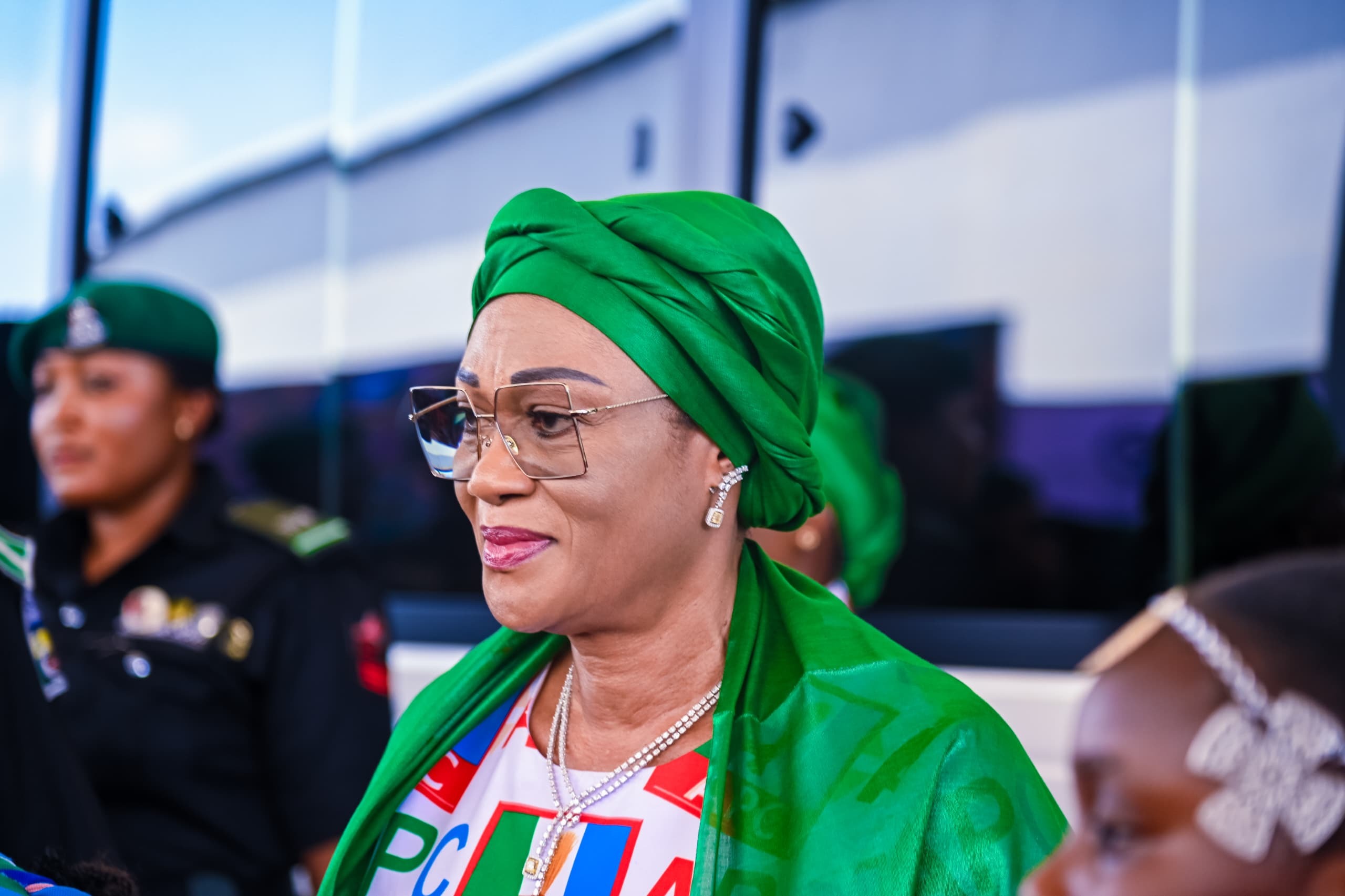
Significantly, the presence of Nigeria’s First Lady, Senator Oluremi Tinubu, added both national weight and moral resonance to the occasion. Her attendance was not merely ceremonial; it was a clear demonstration of solidarity with Nigerian women and a reaffirmation of her commitment to empowerment, social impact, and nation-building.
This landmark achievement did not happen by chance. It reflects the visionary leadership and unwavering commitment of the Minister of Women Affairs and Social Development, Hajiya Imaan Suleiman-Ibrahim, whose stewardship has once again placed women at the centre of national discourse.
Her ability to galvanize stakeholders, coordinate diverse interests, and deliver a unifying platform for women is both commendable and timely.
Equally deserving of recognition is the Organising Committee, whose meticulous planning and dedication transformed a large-scale event into a purposeful movement. Bringing together women from all walks of life, across 774 Local Government Areas, is no small feat. It required strategic coordination, inclusive engagement, and a shared belief in a common cause.
What emerged from this effort is not just a document, but a national mandate.
The Charter captures the urgency of addressing long-standing gaps in political representation, economic inclusion, and social protection. It moves beyond rhetoric to propose actionable pathways, affirmative action in governance, economic empowerment frameworks, investment in women-led enterprises, and strengthened legal protections.
More importantly, the rally has redefined the narrative. Nigerian women are no longer speaking in fragmented voices; they are now organized, aligned, and ready to engage as a formidable force in national development.
In many ways, the First Lady’s broader interventions across the country mirror the spirit of this Charter. Senator Oluremi Tinubu has continued to demonstrate that the office of the First Lady can serve as a platform for meaningful impact.
Through initiatives such as the Renewed Hope Initiative, she has championed programmes that directly touch lives, from supporting women with economic tools and grants, to providing sanitary materials for schoolgirls under the “Flow With Confidence” project, and extending humanitarian support to vulnerable groups including widows, internally displaced persons, and persons with disabilities.
The First Lady’s recent call, on the occasion of her 65th birthday, for support towards the completion of the long-abandoned National Library of Nigeria further underscores her legacy-driven approach to leadership. By prioritizing a knowledge institution over personal celebration, she has reinforced the importance of education, national memory, and intergenerational impact. The significant response to that appeal reflects public confidence in her sincerity and vision.
The significance of this moment cannot be overstated. In a time when nations are seeking sustainable pathways to growth and stability, empowering women is no longer optional, it is essential. Evidence across the world has shown that inclusive societies are more prosperous, more peaceful, and more resilient.
The Minister of Women’s leadership, supported by a capable and committed organising committee, and reinforced by the visible support of the First Lady, has therefore not only delivered a successful event but has ignited a movement, one that has the potential to reshape governance, deepen democracy, and accelerate national progress.
As Nigeria reflects on the outcomes of this rally, one message stands clear: when women rise in unity, nations rise with them.
The Charter is now on the table. The momentum has been created. The responsibility now lies with all stakeholders, government, institutions, and citizens, to translate this vision into tangible results.
This is more than a celebration. It is the beginning of a new chapter.
Dr. (Mrs.) Jumai Ahmadu, President, Helpline Social Support Initiative (HSSI), is Ag. Director, FCTA Reform Coordination and Service Improvement Department.