
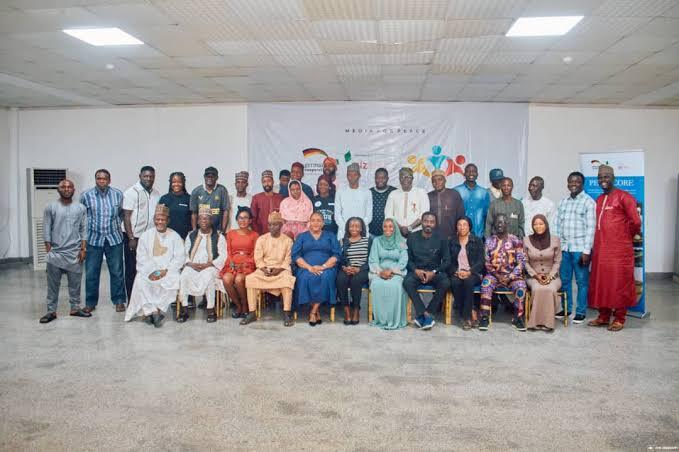
The International Society for Media in Public Health has trained more than 30 journalists in Kaduna State on ethical and trauma-informed reporting of Gender-Based Violence and Sexual and Reproductive Health and Rights.
The two-day capacity-building workshop, supported by the United Nations Population Fund, formed part of activities marking the global 16 Days of Activism Against Gender-Based Violence.
The training, which began on Friday, focused on equipping reporters with the skills to handle sensitive issues responsibly, challenge harmful stereotypes, and elevate survivor-centred narratives.
Participants were urged to ask safe questions, counter misinformation, and produce stories capable of shifting public perception and prompting accountability.
In a virtual address, the Executive Director of ISMPH, Mrs Moji Makanjuola, called on journalists to use both local languages and English to amplify messages against GBV and to promote SRHR.
She said the initiative came at a crucial moment, noting that the media’s influence on public discourse could either break the silence surrounding abuse or reinforce stigma and injustice.
Makanjuola expressed confidence that the workshop would empower reporters to produce balanced and sensitive stories that amplify survivors’ voices while challenging societal norms.
UNFPA representative, Dr Elvis Evborein, described perpetrators of GBV as “formidable” and emphasised the critical role journalists play in shaping attitudes and public understanding.
He encouraged reporters to engage the right authorities and stakeholders in order to ensure accuracy and balance in their stories.
“Our stories should be balanced and capable of changing the narrative and the perception of how people see these issues,” he said.
Speaking in an interview, the Director of ISMPH, Mrs Mojima Konjola, said the training aligned with the ongoing 16 Days of Activism campaign, which ends this week.
She said the goal was to strengthen the capacity of journalists to raise awareness on GBV and SRHR and contribute to reducing violations across communities.
According to her, journalists are “strategic tools” in the fight against GBV because they “hold the microphones and have the voices” to influence public understanding.
Konjola added that improved media reporting would help citizens understand their health rights, know where to report violations, and demand justice.
The workshop continues on Saturday, rounding off the two-day training for selected journalists across the state.