

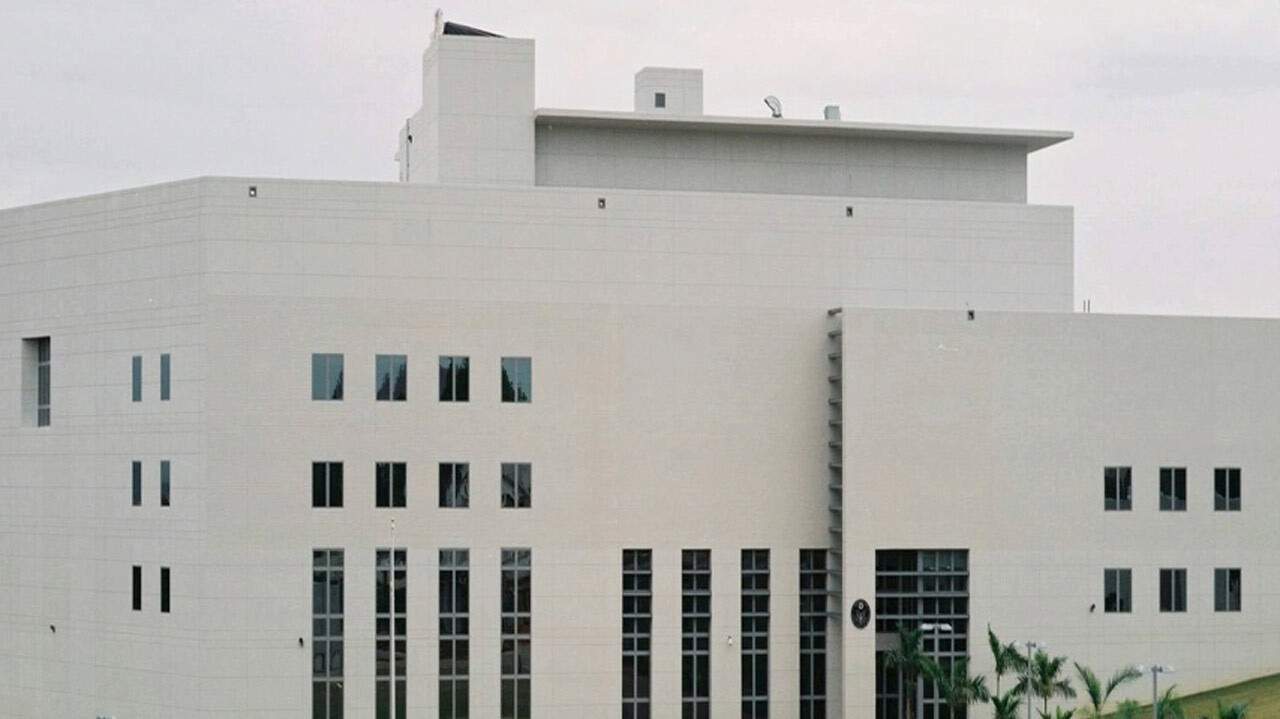
The Federal Government has described the recent United States travel advisory – which authorised the departure of non-emergency personnel from its Abuja embassy – as a routine precaution that does not reflect Nigeria’s overall security situation.
In a statement issued by the Federal Ministry of Information and National Orientation, the government reassured citizens and international partners that public institutions remain fully operational across the country.
Minister of Information and National Orientation, Mohammed Idris, said the US decision was guided by internal protocols and should not be interpreted as an indication of a general breakdown of law and order in Nigeria.
“While we acknowledge isolated security challenges in some areas, there is no general breakdown of law and order, and the vast majority of the country remains stable,” the minister was quoted as saying.
He added that recent efforts had led to the disruption of criminal networks, reduced the activities of armed groups, and improved safety in vulnerable communities. “Our security agencies remain actively engaged in protecting lives and property, and the results of these efforts are increasingly evident,” he said.
The government reiterated that Nigeria remains open to business, travel, and investment, stressing that ongoing economic reforms continue to boost investor confidence and strengthen the country’s global standing. Idris noted that international partners and investors are maintaining active engagement with Nigeria, reflecting confidence in its stability and long-term prospects.
While acknowledging the right of countries to issue travel advisories based on their own assessments, the Federal Government called for balanced and up-to-date reporting.
“We encourage our international partners to continuously engage with Nigerian authorities to obtain a more comprehensive and current understanding of the situation on the ground,” the minister said.
Background on US advisory
The United States, in its advisory issued on Wednesday, cited worsening security concerns as the basis for authorising the departure of non-essential embassy staff and their families from Abuja. The advisory warned of risks including crime, terrorism, kidnapping, and civil unrest.
It maintained Nigeria at Level 3 (“reconsider travel”), while placing some regions under Level 4 (“do not travel”). It also highlighted concerns over widespread violent crime, frequent kidnappings for ransom, threats from groups such as Boko Haram, and unrest in parts of the Niger Delta and the South-East.
The latest move follows visa restrictions imposed by the United States on certain categories of Nigerian travellers in 2025, citing security concerns and immigration-related data.
The Federal Government reaffirmed its commitment to improving security, protecting citizens and visitors, and maintaining Nigeria as a safe and welcoming destination.