
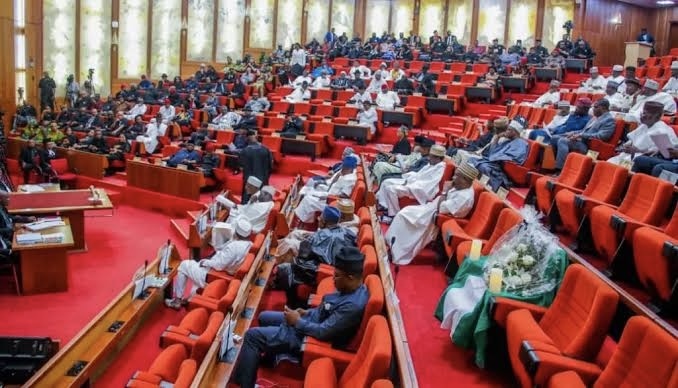
The Senate, through its Committee on Appropriations, has tentatively set March 17, 2026, for the final consideration and passage of the ₦58.472 trillion 2026 Appropriation Bill. This announcement followed a special session where the committee approved February 2 to 13, 2026, for the assessment of budget estimates at the committee level.
## Key Dates for Budget Consideration
In an effort to ensure comprehensive scrutiny, the committee has scheduled a public hearing on the budget proposal for February 9, 2026. Chairman of the committee, Senator Solomon Olamilekan Adeola, also announced that an interactive session will take place on March 5, 2026, involving committee members and key economic managers from the Federal Government. Notable attendees will include the Minister of Finance and Coordinating Minister of the Economy, Wale Edun, and the Minister of Budget and National Planning, Atiku Bagudu.
Senator Adeola revealed that February 16 to 23, 2026, has been designated for the submission of reports on budget defence by various standing committee chairmen, paving the way for the Appropriations Committee’s report presentation to the Senate on March 17.
He noted that while the Senate leadership originally aimed for the budget to be passed by March 12, 2026, he successfully advocated for an additional week to allow for a more thorough examination of the proposals.
Enhancing Scrutiny of Budget Estimates
To facilitate detailed analysis, hard copies of the 2026 budget have already been printed and distributed to the chairmen and members of the Senate’s standing committees. This proactive measure is expected to enhance the quality of discussions and recommendations regarding the budget.
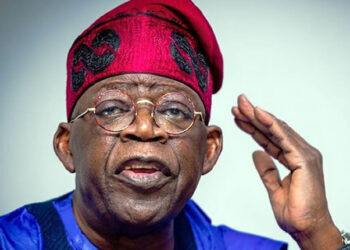
Last month, President Bola Tinubu presented the 2026 budget proposal of ₦58.18 trillion to a joint session of the National Assembly. Dubbed a “Budget of Consolidation, Renewed Resilience, and Shared Prosperity,” the proposal allocates ₦26.08 trillion for capital expenditure and sets the crude oil benchmark at US$64.85 per barrel.
Key Financial Highlights
The expected total revenue for the fiscal year is projected at ₦34.33 trillion, with ₦15.52 trillion earmarked for debt servicing. President Tinubu indicated that the proposed budget deficit stands at ₦23.85 trillion, representing 4.28% of GDP, based on a crude oil production target of 1.84 million barrels per day. The exchange rate has been fixed at ₦1,400 to the US Dollar for the 2026 fiscal year.
A detailed breakdown of the budget proposal shows that defence receives the largest allocation at ₦5.41 trillion, followed by infrastructure with ₦3.56 trillion, education at ₦3.52 trillion, and health at ₦2.48 trillion.
Commitment to Security and Accountability
In his address to lawmakers, President Tinubu emphasised the importance of security investment, stating, “We will invest in security with clear accountability for outcomes—because security spending must deliver security results.” He reiterated the administration’s commitment to enhancing the capabilities of the armed forces and other security agencies by increasing personnel and procuring advanced equipment.
As the Senate prepares for the upcoming budget discussions, the focus remains on ensuring that the proposed allocations effectively address the pressing needs of the nation while promoting economic growth and stability.
In conclusion, the Senate’s proactive timeline for the budget passage reflects a commitment to thorough examination and strategic planning for Nigeria’s financial future. As stakeholders engage in discussions over the coming weeks, the outcomes will significantly influence the country’s economic landscape in 2026 and beyond.