
By Jeremiah Emmanuel, Abuja
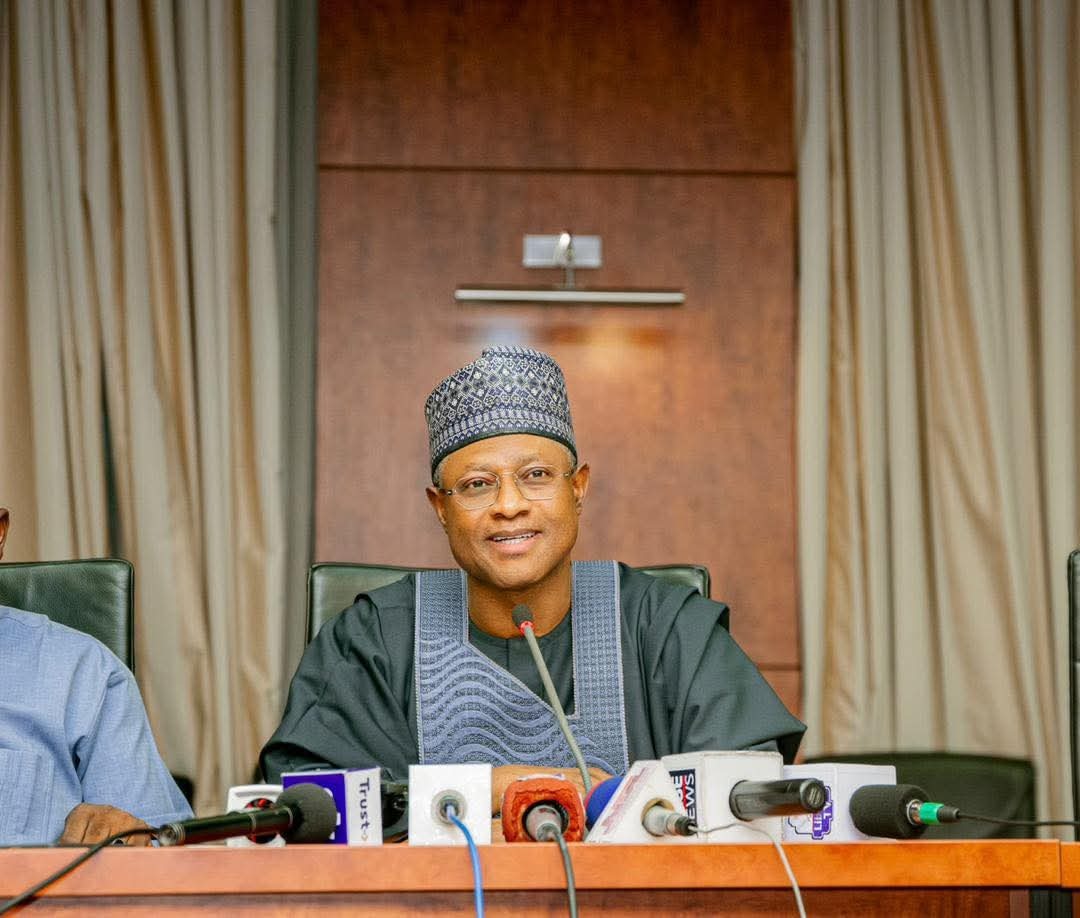
In what may be a watershed moment for Nigeria’s democratic evolution, Kaduna State Governor Uba Sani has signalled his readiness to become the first governor in the Fourth Republic to fully implement the long awaited local government autonomy.
A reform championed by President Bola Tinubu and anchored in a landmark Supreme Court ruling.
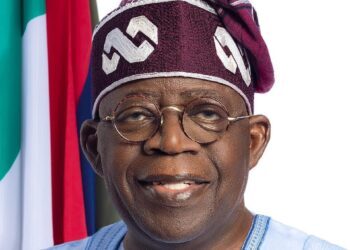
At a time when the debate over fiscal federalism has dominated national discussions, President Tinubu has repeatedly urged the 36 state governors to comply fully with the July 2024 Supreme Court judgment, which held that statutory allocations intended for local governments must be paid directly to the councils rather than through state treasuries.
“There is no autonomy without a funded mandate,” Tinubu told governors and APC leaders at the party’s National Caucus meeting in Abuja this week. “We’ll give them their money directly. That’s the truth.”
Grassroots Power Shift: Kaduna’s Strategic Lead
Governor Sani’s growing advocacy for devolving financial and administrative power to the grassroots comes amid national pressure on states to operationalise local council autonomy. In Kaduna, administration officials insist that strengthened local governments will accelerate service delivery in education, healthcare and rural development; sectors that have suffered from chronic underfunding and centralised control.
Kaduna State deputy governor, Dr. Hadiza Balarabe, speaking at a major governance conference some weeks ago in Kaduna argued that Nigeria’s democracy “cannot thrive without competent, legitimate and accountable governance at the grassroots.”
She stressed that well-resourced local councils are essential for sustainable development and aligning with President Tinubu’s reform agenda.
Analysts Back Reform, But Warn on Implementation
Political and governance analysts say full autonomy of local government could transform how services reach Nigerians, but caution that systems must be put in place to prevent mismanagement.
Dr. Emeka Okwuosa, a public finance expert at the Centre for Fiscal Studies, told The Nation newspaper that direct allocations would re-energise local councils by giving them “real fiscal space to plan and execute development priorities without state interference.” He noted that autonomy would mark “a bold step toward democratic deepening and accountability at the grassroots.”
However, another commentator, Prof. Amina Rufai of the Nigerian Institute of Policy Analysis, warned that capacity gaps at the local level could undermine the reform if not addressed. “Local governments need robust financial management and oversight mechanisms. Otherwise, direct funds may flow without yielding tangible improvements,” she said.
Meanwhile, President Tinubu’s stance on local government autonomy is not isolated. His Information Minister, Mohammed Idris, has stated that the President views the empowerment of councils as “key to deepening democracy and accelerating grassroots development,” underscoring the federal government’s commitment to the reform.
Political Stakes, Public Expectations
The issue has rapidly become a litmus test of political will and governance philosophy. For Governor Sani, being first to fully implement local government autonomy in line with President Tinubu’s Renewed Hope Agenda would be a significant political milestone, setting him apart as a reform-oriented leader willing to translate constitutional provisions into practice.
With President Tinubu indicating that continued non-compliance by governors could lead to direct federal intervention via FAAC or even executive orders, the coming weeks may prove pivotal for Nigeria’s federal structure and the future of grassroots governance.
As grassroots leaders and citizens watch closely, the push for local government autonomy may soon move from theoretical reform to political reality, reshaping how services are delivered and how democracy functions in communities across Nigeria.