

A decisive push to reshape Nigeria’s electoral future is underway. The Independent National Electoral Commission (INEC) has convened political party leaders for high-stakes consultations, targeting sweeping reforms ahead of the 2027 General Election while underscoring preparedness for imminent polls.
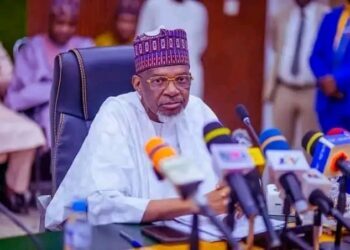
Professor Joash O. Amupitan, SAN, INEC’s Chairman, framed the Abuja meeting as a “critical milestone,” marking his first formal dialogue with party chiefs since appointment. This engagement, part of a series with civil society and media, aims to fortify collaboration for a congested electoral calendar.
Immediate Test: FCT & Bye-Elections
All attention first turns to the 21 February 2026 Area Council elections in the Federal Capital Territory. INEC confirms 1,680,315 registered voters across 2,822 polling units in Abaji, AMAC, Bwari, Gwagwalada, Kuje, and Kwali. Some 570 candidates will contest chairmanship, vice-chairmanship, and councillorship positions.
“Ten of thirteen schedule activities are complete,” stated Professor Amupitan. Campaigns cease on 19 February. The Commission asserts full readiness: non-sensitive materials deployed, officers trained, and Bimodal Voter Accreditation System (BVAS) devices configured for accreditation and real-time results upload to the INEC Result Viewing (IReV) portal. A mock accreditation is set for 7 February in 289 polling units.
Simultaneously, bye-elections will occur in Rivers State (Ahoada East II and Khana II) and Kano State (Kano Municipal and Ungogo). Over 80 domestic and five international observer groups, plus media, are accredited to scrutinise all polls.
The 2027 Imperative: Legal Reform & Voter Mobilisation
Beyond immediate votes, the discourse centred on the paramount 2027 General Election. INEC has finalised its draft timetable but issued a stark warning: legal stability is essential. The Commission urgently called upon the National Assembly to expedite amendments to the Electoral Act 2022, cautioning that delays risk destabilising the intricate election machinery.
A grave concern driving reform talks is collapsing voter turnout. Professor Amupitan highlighted a precipitous decline from 53.7% in 2011 to 26.7% in 2023. “This trend threatens the legitimacy of our democracy,” he noted. In response, INEC announced a major nationwide voter revalidation exercise to cleanse the register, complementing the ongoing Continuous Voter Registration (CVR) which has already enrolled over 2.7 million new voters.
Party System Shake-up: New Entrants & Internal Discipline
In significant party system developments, INEC confirmed the registration of two new political parties: the Democratic Leadership Alliance (DLA), having met all requirements, and the Nigeria Democratic Congress (NDC), registered pursuant to a Federal High Court order.
The Chairman also issued a forceful caution against internal party crises and excessive litigation. “Leadership squabbles and endless court battles erode public confidence and divert from the substantive work of democratic consolidation,” Professor Amupitan warned.
IPAC’s Reform Agenda: Real-Time Transmission & SIEC Scrap
Echoing the reform zeal, the Inter-Party Advisory Council (IPAC) presented a bold agenda. Its National Chairman, Dr. Yusuf Mamman Dantalle, urged INEC to maintain absolute independence and fairness. He charged parties to bolster internal democracy and utilise IPAC’s mediation mechanisms before resorting to courts.
IPAC’s substantive proposals could redefine Nigerian elections:
· Mandatory Real-Time Transmission: Legislating compulsory live electronic transmission of results from every polling unit.
· Legal Framework Harmonisation: Consolidating electoral laws to eliminate contradictions.
· Abolition of SIECs: A radical call to scrap State Independent Electoral Commissions (SIECs), often criticised for non-credible local polls, and transfer their functions to INEC for uniform standards nationwide.
The Road Ahead
With governorship elections in Ekiti (20 June 2026) and Osun (8 August 2026) following the February votes, each poll serves as a proving ground for new technologies and procedures. The collaboration between INEC and IPAC signals a recognised, if belated, necessity for consensus-building among key stakeholders.
The success of the proposed reforms—particularly the urgent legislative amendments and voter re-engagement drive—will fundamentally shape the integrity and public perception of the 2027 General Election. As Professor Amupitan concluded, “The work to safeguard the credibility of our elections is continuous. This dialogue is not a ceremonial event but a necessary forge for the tools of a stronger democracy.” The nation watches, expecting tangible action from both the commission and the political class.