
In a decisive move underscoring its operational independence, the Independent National Electoral Commission (INEC) has confirmed it has finalised the comprehensive timetable and schedule of activities for the 2027 General Election. This significant development comes despite the unresolved passage of the amended Electoral Act, which is currently before the National Assembly.
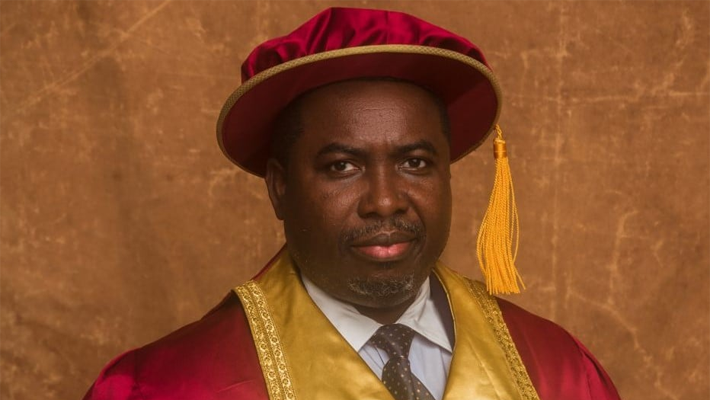
The announcement was made by INEC’s Chairman, Professor Joash Amupitan, during a crucial meeting with Civil Society Organisations (CSOs) in Abuja on Wednesday. Professor Amupitan’s disclosure signals the Commission’s commitment to forward planning and its determination to ensure electoral preparedness, irrespective of external legislative timelines.
“The Commission has finalised work on the election timetable and schedule of activities,” stated Professor Amupitan. He acknowledged the potential for adjustment, conceding that “some items in the schedule could be impacted by the time the lawmakers pass the electoral act.” However, he emphasised that INEC’s current mandate obliges it to proceed under the provisions of the subsisting Electoral Act. “For now, the commission has no choice than to rely on the subsisting Act for its activities,” he affirmed.
This strategic positioning highlights a proactive approach to mitigating the risks associated with legislative delays. By advancing its internal planning cycle, INEC aims to create a robust framework that can be refined, rather than constructed from scratch, once new legal instruments are enacted. The Commission has already submitted its recommendations and observations to the National Assembly, contributing its technical expertise to the legislative process.
Analysing the Implications of the Finalised Timetable
The finalisation of the 2027 election timetable at this juncture—nearly three years ahead of the polls—is a marked departure from past practices and represents a cornerstone of INEC’s drive for enhanced credibility and efficiency. An early, published timetable provides critical certainty for all stakeholders, including political parties, candidates, security agencies, the media, and domestic and international observer groups.
For political parties, this clarity allows for structured internal primaries, candidate selection, and campaign planning. It reduces the likelihood of disputes stemming from compressed schedules and ensures parties can organise their finances and logistics within a known electoral window. Furthermore, it enables CSOs and voter education bodies to design and roll out targeted civic and voter education programmes aligned with key milestones in the electoral calendar.
The Shadow of the Pending Electoral Act Amendment
The outstanding amendment to the Electoral Act, however, casts a consequential shadow over the otherwise settled timetable. The revised Act is anticipated to address persistent challenges and incorporate lessons learned from the 2023 general election and subsequent off-cycle polls. Expected areas of reform may include the strengthening of results transmission protocols, clearer guidelines on the use of technology, more stringent regulations against electoral violence and malpractices, and provisions for the inclusion of marginalised groups.
Professor Amupitan’s candid admission regarding potential impacts underscores the delicate balance INEC must strike. Key activities such as voter registration exercises, the deployment of new technology, the sequence of party primaries, and even the precise election dates could be subject to modification based on the new Act’s stipulations. The Commission’s strategy appears to be one of agile preparedness, establishing a foundational plan that retains the flexibility for necessary legislative amendments.
Civil Society and Stakeholder Engagement
The choice to unveil this information at a forum with Civil Society Organisations is indicative of INEC’s continued emphasis on stakeholder engagement and transparency. CSOs play an indispensable role in Nigeria’s electoral ecosystem, acting as watchdogs, conduits for citizen feedback, and partners in voter education. Their early involvement in the 2027 cycle suggests INEC seeks to foster a collaborative environment and pre-emptively address concerns that have arisen in previous elections.
This engagement is likely to focus on ensuring the timetable adequately allows for thorough pre-election logistics, the testing and deployment of electoral technology, and comprehensive training for ad-hoc staff. CSOs will also be keen to understand how INEC plans to integrate any new legal mandates into its operations without disrupting the electoral sequence.
A Commitment to Institutional Stability
INEC’s actions demonstrate a resolve to maintain institutional stability and avert a crisis of preparation. By proceeding with its constitutional mandate under the existing law, the Commission avoids a paralysis that could be exploited to undermine the electoral process. It sends a clear message that the institutional machinery of Nigerian democracy remains in motion, providing a measure of reassurance to the electorate and the international community.
The coming months will be critical as the National Assembly deliberates on the amended Electoral Act. The synergy—or lack thereof—between the legislature’s timeline and INEC’s operational schedule will be a key determinant of the 2027 election’s smoothness. A swift, consensus-driven passage of a strengthened Electoral Act would allow INEC to seamlessly integrate new provisions into its timetable. Conversely, prolonged delays could force last-minute revisions, increasing operational risks and potentially eroding public confidence.
Conclusion: A Foundation for 2027
In finalising the 2027 election timetable now, the Independent National Electoral Commission has laid a crucial foundation for the next electoral cycle. Professor Joash Amupitan’s announcement is a bold assertion of proactive planning and institutional resilience. While the spectre of pending legislative change remains, INEC’s decision to move forward provides a necessary framework for order and predictability.
All eyes will now be on the National Assembly to complement INEC’s preparedness with a timely, robust, and progressive legal framework. The ultimate goal remains a seamless, credible, and peaceful electoral process in 2027 that consolidates Nigeria’s democratic journey. The work, as evidenced by this early announcement, has already begun.