
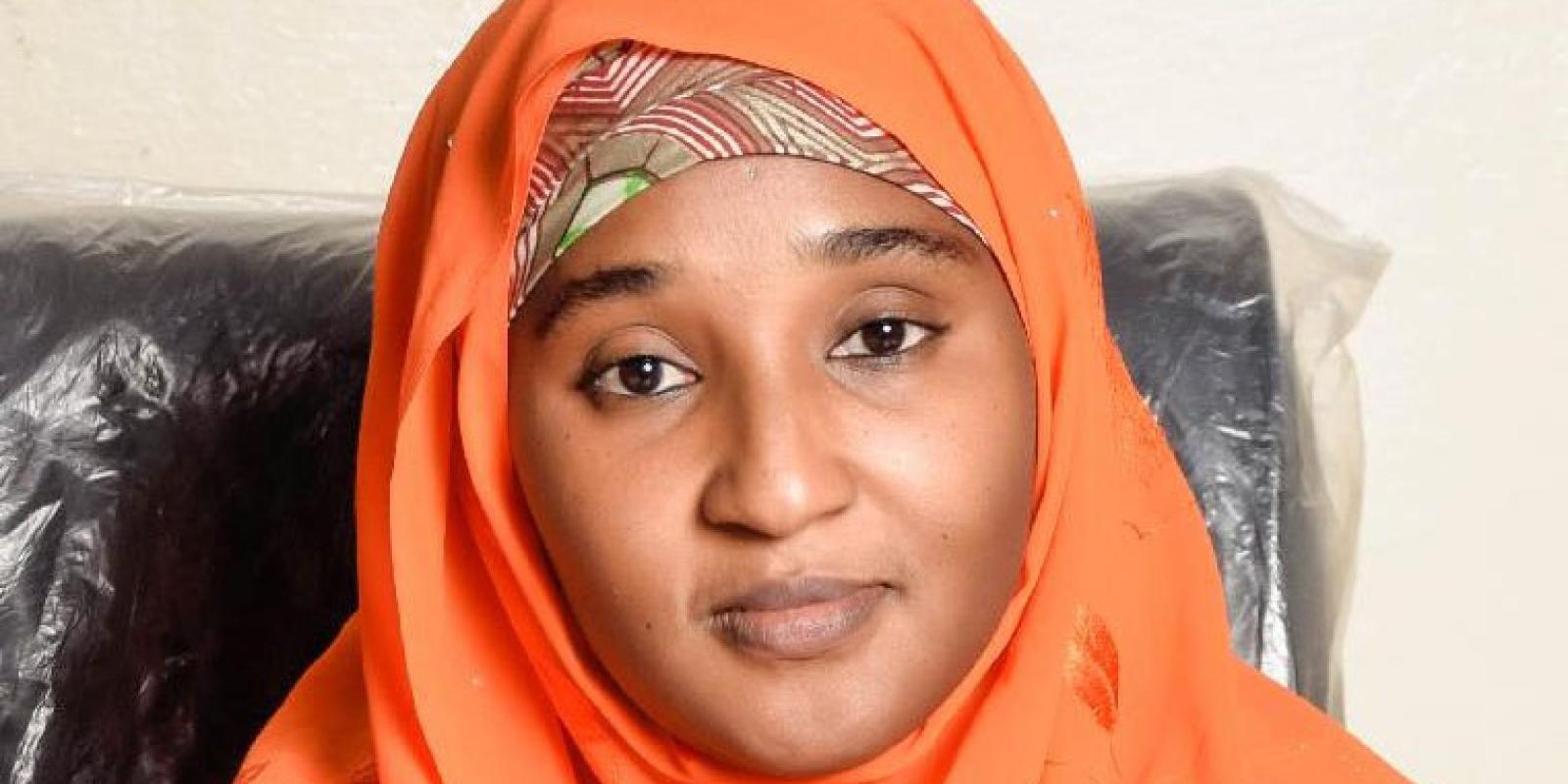
The Federal Government is undertaking a nationwide mapping initiative to identify individuals who are out of school or lack literacy skills, according to Prof. Suwaiba Ahmad, the Minister of State for Education.
During a ministerial press briefing to commemorate the 58th International Literacy Day, themed “Promoting Literacy in a Digital Era,” Ahmad emphasized that the collected data would enable the government to enroll millions in relevant and empowering literacy programs.
She stated, “As a nation, we understand that literacy is fundamental to development. This is why the Federal Ministry of Education, under President Bola Tinubu’s Renewed Hope Agenda, is proactively working to enhance access to literacy for all Nigerians, particularly youth and adults aged 15 and older.”
Ahmad highlighted the ongoing comprehensive mapping exercise, which aims to identify out-of-school and non-literate individuals across the country. “With this information, we will be able to enroll millions into inclusive and impactful literacy programs.”
The minister also noted the importance of adapting to the digital age. “We are leveraging technology through mobile learning platforms, radio, and television programs to reach learners in cities, rural areas, internally displaced persons (IDP) camps, and remote communities. We are collaborating with partners to tailor successful models, such as Cuba’s ‘Yes, I Can,’ to our local context, ensuring that literacy is not only taught but also integrated into daily life.”
Ahmad urged development partners, civil society organizations, traditional leaders, and the private sector to collaborate in this mission. “Literacy is a collective responsibility. Together, we can create a Nigeria where every citizen is equipped to thrive in a digital landscape,” she added.
Dr. John Onimisi, Acting Executive Secretary of the National Commission for Mass Literacy, Adult and Non-Formal Education (NMEC), also spoke, noting that the agency has successfully enrolled over 27,000 youth and adult learners, aged 15 and above, in literacy and empowerment programs within the Abuja Municipal Area Council (AMAC).
He remarked, “These learners hail from dynamic communities such as Apo Mechanic Village, Karonmajigi, Lugbe, Dogongada, Apo Resettlement, Gwarinpa, Kubwa Village, Mararaba, Kurudu, and Gwagwalada. We initially set modest goals and have already exceeded them, but our efforts will not cease here.”
Onimisi announced plans to expand this initiative to 377 local council areas across all 36 states and the Federal Capital Territory (FCT). “Through our 17 community learning centers, we aim to reach thousands more. We are committed to utilizing digital tools like radio, TV, and mobile applications to make learning more accessible, flexible, and relevant to people’s lives.”