
The World Health Organisation has sounded the alarm as the Democratic Republic of the Congo grapples with its most severe Ebola outbreak in decades, with cases surging five weeks after the epidemic was declared.
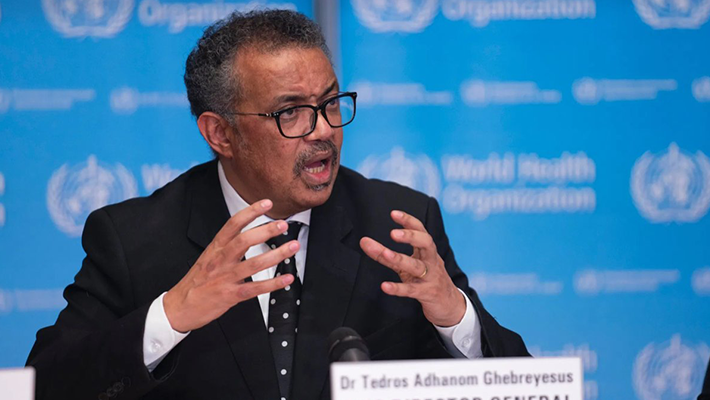
The WHO reports 1,094 confirmed Ebola infections and 277 fatalities across the DRC, marking the highest first-month caseload of any Ebola outbreak in African history. Director-General Tedros Ghebreyesus warned on Wednesday that the outbreak continues to outpace response efforts.
The epidemic is driven by the Bundibugyo strain, a rare Ebola variant for which no licensed vaccine or specific treatment currently exists. Cases remain concentrated in Ituri province but have spread to North Kivu, South Kivu, and across the border into Uganda.
Response Efforts Under Strain
Despite significant gains in treatment capacity—expanding from fewer than ten beds to more than 500 across 19 health centres—authorities acknowledge coverage remains inadequate. Laboratory testing capacity has dramatically improved, jumping from 30 daily tests in Kinshasa to over 2,000 per day across nine laboratories in three provinces, supported by WHO and Africa CDC.
Encouragingly, more than 100 patients have recovered through early detection and supportive care. However, Mr Ghebreyesus cautioned that safe burials remain a major challenge, and treatment centres continue to lack sufficient capacity.
Regional Spread and International Concern
Uganda has reported 20 confirmed cases and two deaths, all linked to the DRC outbreak, with a new case recorded last Sunday—the first in two weeks. France also confirmed a health worker who tested positive after returning from caring for patients in the DRC.
Nearly 80 health workers have been infected, prompting WHO to urge countries to ensure safe deployment protocols, clear risk communication, and robust infection prevention measures.
Clinical Trials and Therapeutics
A clinical trial of two antivirals—MDPC134 and remdesivir—is set to begin at the end of June in the DRC, testing both drugs alone and in combination for Bundibugyo virus disease. The US government and Gilead Sciences have donated doses, while WHO, the DRC’s National Institute for Biomedical Research, HALIMA, and Oxford University are conducting the trial in partnership with affected communities.
Humanitarian Crisis Compounding Health Emergency
The outbreak is unfolding in a region scarred by decades of conflict, with multiple security incidents hampering response efforts. More than 270,000 people—predominantly women and children—are sheltering across 60 sites in Ituri with limited access to water, sanitation, and healthcare. Confirmed cases in displacement camps have heightened the risk of widespread transmission.
Border closures continue to obstruct humanitarian access, and Mr Ghebreyesus stressed that urgent political advocacy is required to facilitate response operations.
Funding and Preparedness
WHO and Africa CDC have requested $518 million for a joint continental preparedness and response plan. Financial reporting on pledges is anticipated shortly to clarify funding gaps and needs.
The WHO assesses the risk as “very high” in the DRC, “high” regionally, and “low” globally, advising all countries to prepare for safe personnel deployment and rigorous monitoring.
Additional Health Threats
The WHO also reported a Hantavirus outbreak causing an uncertain number of cases and three deaths, with more than 650 contacts traced across 33 countries. All but 54 contacts have completed quarantine, with the outbreak expected to be declared over by July 2 if no new cases emerge.
In Sudan, West Kordofan has recorded 734 suspected cholera cases and 105 deaths since May 15 amid conflict-disrupted health systems.
Meanwhile, Europe and the Northern Hemisphere face extreme heatwaves claiming approximately 500,000 lives annually. WHO is collaborating with FIFA and host countries on a “Beat the Heat” initiative for the World Cup, focusing on early warnings, safe water access, cooling strategies, and protecting workers, athletes, and fans.