
By Dr. Jumai Ahmadu
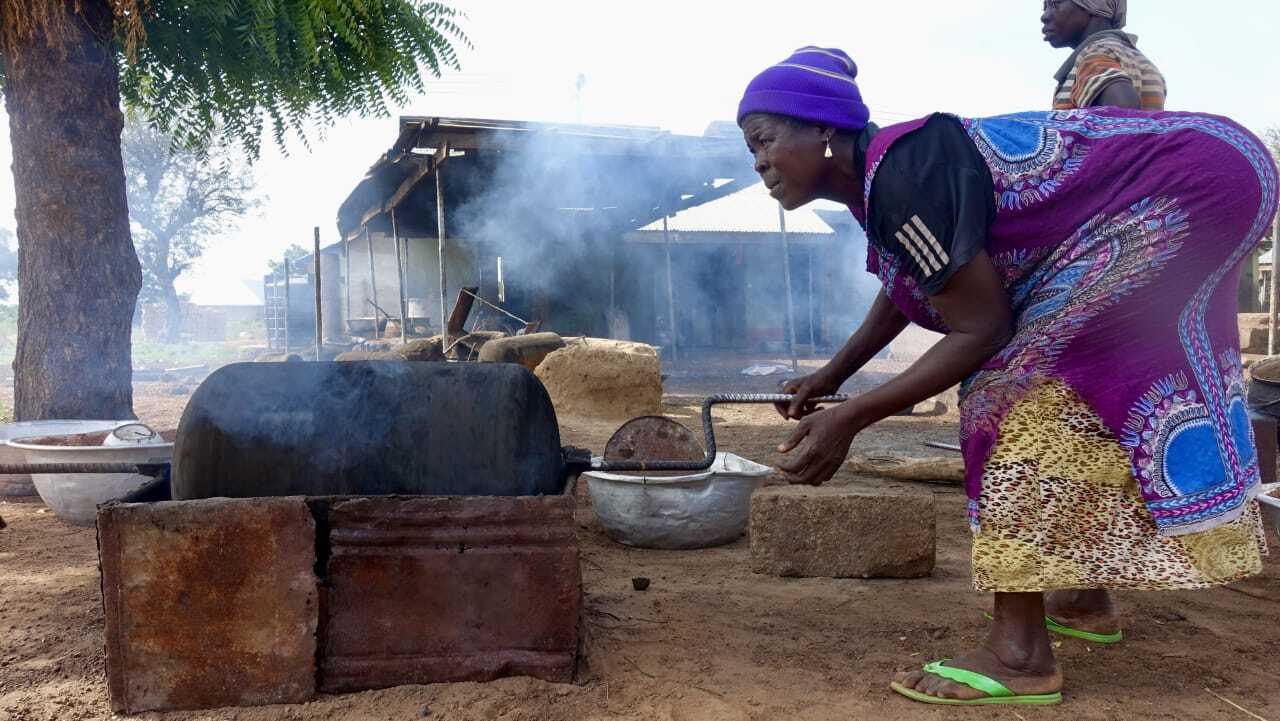
A quiet revolution is unfolding across the Federal Capital Territory, where thousands of households are trading smoke-filled kitchens for cleaner, safer cooking methods through liquefied petroleum gas (LPG).
The Federal Capital Territory Administration (FCTA), through its Health Services and Environment Secretariat (HSES) and in partnership with IHS Nigeria, has distributed over 10,000 cooking gas cylinders to vulnerable families across all six area councils of the FCT under the Project Breathe Clean Air Abuja initiative.
What began as a cooking gas intervention has evolved into a comprehensive public health programme, environmental sustainability project and social protection scheme that is fundamentally improving the quality of life for women and their families.
A Lifesaving Health Intervention
For generations, low-income households have relied on firewood, charcoal and kerosene for cooking, unaware that prolonged exposure to indoor smoke contributes to respiratory illnesses, asthma, pneumonia, persistent coughs and eye irritation—particularly affecting women and children who spend the most time near cooking areas.
Dr. Dolapo Fasawe, Mandate Secretary of the FCT Health Services and Environment Secretariat, championed the implementation of Project Breathe Clean Air Abuja as a practical intervention to combat indoor air pollution while fostering healthier communities.
The programme extends beyond cylinder distribution. Beneficiaries receive one-year free refill vouchers and one-year health insurance coverage, ensuring sustained use of clean energy without reverting to harmful alternatives. This innovative approach seamlessly integrates preventive healthcare, environmental protection and poverty reduction.
Real Lives, Real Impact
From Abaji to Bwari, Gwagwalada, Kuje, Kwali and the Abuja Municipal Area Council (AMAC), beneficiaries are already experiencing tangible improvements.
Mrs. Victoria Joshua, a beneficiary from Gwagwalada where the pilot distribution began, described the intervention as life-changing: “My family no longer wakes up to smoke-filled rooms. Cooking is faster, cleaner and safer. I no longer worry about my children inhaling smoke while I prepare meals. The refill vouchers have also reduced our expenses. This programme has brought genuine relief to my family.”
In Kuje Area Council, another beneficiary noted that gathering firewood had become increasingly difficult due to rising costs and time constraints: “I often returned home exhausted after searching for firewood. Now I simply light my gas cooker and prepare meals in a fraction of the time. I have more time for my business and my children.”
Women in Kwali reported significant improvements in household cleanliness: “Our pots remain cleaner, our kitchens are no longer covered in soot, and the children no longer complain of smoke entering their eyes.”
Similar sentiments echoed across Bwari and AMAC, with beneficiaries praising the FCTA for restoring dignity to daily living. For petty food vendors across the area councils, cleaner cooking fuel has translated into greater efficiency, reduced preparation time and improved productivity.
Partnership for Healthier Communities
The success of Project Breathe Clean Air Abuja demonstrates the power of public-private collaboration. IHS Nigeria’s support reflects its commitment to environmental sustainability and renewable energy adoption, contributing to reduced carbon emissions while helping vulnerable households transition to cleaner energy sources.
The project aligns with the FCTA’s growing emphasis on preventive healthcare—addressing the root causes of disease before they escalate into expensive medical conditions.
Community leaders across the area councils have played a vital role in mobilising residents, supporting awareness campaigns and encouraging safe handling of cooking gas. Safety demonstrations by the Federal Fire Service have further strengthened public confidence in LPG use.
A Model of Visionary Leadership
The successful implementation of this initiative underscores the FCT Administration’s commitment to improving resident welfare through practical, people-centred policies.
Under the leadership of the Minister of the Federal Capital Territory, Barr. Ezenwo Nyesom Wike, the Health Services and Environment Secretariat has continued to pursue innovative interventions that directly improve citizens’ quality of life. Rather than focusing solely on curative healthcare, the administration is investing in preventive measures that keep families healthier while protecting the environment.
The initiative deserves commendation not merely for distributing cooking gas cylinders but for adopting a comprehensive model that includes health insurance, refill support, safety education and sustained behavioural change.
A Breath of Fresh Air for the Future
As more than 10,000 households across the six area councils embark on a new chapter of cleaner cooking, Project Breathe Clean Air Abuja stands as evidence that thoughtful public policy can transform everyday life.
For thousands of women, the benefits extend beyond meal preparation—healthier lungs for their children, safer kitchens, reduced household expenses, more productive time and renewed hope.
The project serves as a reminder that when visionary leadership, strategic partnerships and community participation converge, government interventions can produce measurable improvements that touch lives where they matter most—in the home.
Project Breathe Clean Air Abuja is indeed giving thousands of families across the Federal Capital Territory something priceless: the opportunity to breathe cleaner air, live healthier lives and build a more sustainable future for generations to come.
—
Dr. Jumai Ahmadu is the Director, Reform Coordination and Service Improvement Department (RC&SID), FCTA
jumaiabuahmadu@yahoo.com