
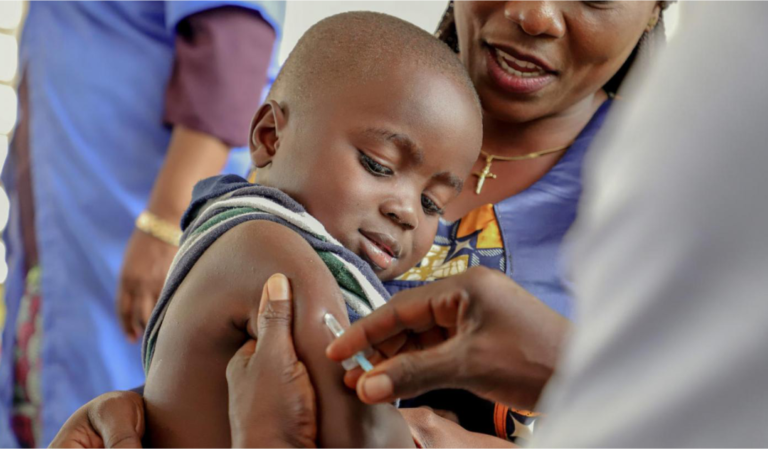
The National Primary Health Care Development Agency (NPHCDA) has mapped areas with the highest concentrations of zero-dose children across Nigeria, as part of a targeted strategy to improve routine immunisation coverage among vulnerable populations.
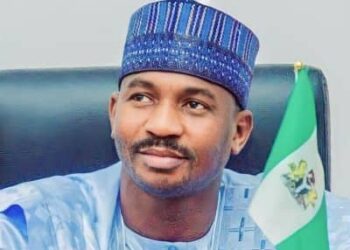
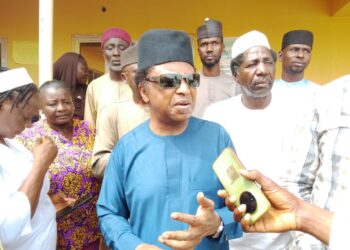
The Director of Disease Control and Immunisation at NPHCDA, Dr Garba Rufai, disclosed this on Saturday in Abuja, outlining the agency’s approach to reaching children who have never received a single vaccine dose.
Dr Rufai explained that the agency was deploying the Identify, Enumerate and Vaccinate (IEV) strategy to locate unreached children, document their vaccination status, and equip health workers with reliable data for targeted interventions nationwide.
“In some states where we have the highest number of zero-dose children, we went out there and registered every child under five, male or female,” he said. “With that list, the local government authority and health workers can look at the settlements, know their catchment areas, and use that information to plan.”
He noted that the data generated through the exercise was also supporting maternal and child health programmes, while providing other agencies with accurate information required for effective planning.
“The best thing to plan for children is the line list. You know there are ten children here, three of them are under one, five of them are under two,” he added.
Dr Rufai said the agency had integrated outreach services into routine immunisation activities to reach children in remote communities located far from health facilities.
“We try to ensure that every week, each health facility at least goes out to communities that are far off and tries to find children who have not been brought for vaccination,” he said.
According to him, access remains a major barrier to routine immunisation, alongside insecurity, difficult terrain, and vaccine hesitancy, which continue to prevent many eligible children from receiving vaccines.
“Missing routine immunisation could be because of access on one side—where they stay, who they are—and other social factors, including insecurity. If they stay in hard-to-reach areas, it becomes difficult to get the vaccines to them, especially when there is no provision for teams to reach them,” he added.
Dr Rufai described zero-dose children as one of Nigeria’s most significant immunisation challenges, noting that they remained vulnerable to several vaccine-preventable diseases that threaten child survival and development.
“These are children who are vulnerable to everything that is vaccine-preventable. They are exposed to diphtheria, meningitis, measles, rotavirus diarrhoea, and pneumonia,” he warned.
He cautioned that zero-dose children could also contribute to the spread of vaccine-preventable diseases as families moved between communities, increasing the risk of wider outbreaks.
“Diseases don’t have barriers. A zero-dose child who has picked up an infection here moves with the parents somewhere else and transmits it,” he said.
Dr Rufai stressed that addressing the challenge required sustained interventions, as new children entered the population daily, creating a continuous need for robust vaccination and immunisation tracking systems.
“Every day there is a newborn. Every day there is a child that crosses one year without receiving a vaccine. The zero-dose pool keeps replenishing,” he said.
He emphasised the need for a continuous system that tracks children from pregnancy through delivery and routine immunisation to ensure no child is missed.
“Until we are able to register their mothers for antenatal care, monitor them, ensure good delivery, bring the child back, and track them until they reach two years, we will continue to have this challenge,” Dr Rufai said.
The director said community engagement remained critical in addressing vaccine hesitancy, particularly in areas where misinformation and misconceptions continued to affect vaccine acceptance.
“We use all the avenues we can. We work with traditional leadership structures, religious leaders, women’s groups, and the community. We are using the Ward Development Committee as our entry point,” he said.
Dr Rufai added that the agency employed social listening mechanisms to identify community concerns about vaccination and develop tailored engagement strategies.
“We track all of the things that have been said within communities and use that to develop engagement strategies, coming back ready to address those questions and concerns,” he said.
He said sustaining immunisation coverage required trained health workers, functional health facilities, vaccine availability, logistics support, adequate funding, and active community participation.
“Even if you build the best health facility and install the most beautiful equipment, and vaccines are readily available, if you don’t have skilled health workers who understand what a vaccine is and can explain it to the caregiver, that is a problem,” he added.
He underscored the importance of involving communities in planning routine immunisation services and ensuring all resources needed for effective vaccine delivery remained available at all levels.
“You need to engage with the community, create demand, and make sure all the essential elements and tools required to work are available,” Dr Rufai concluded.