
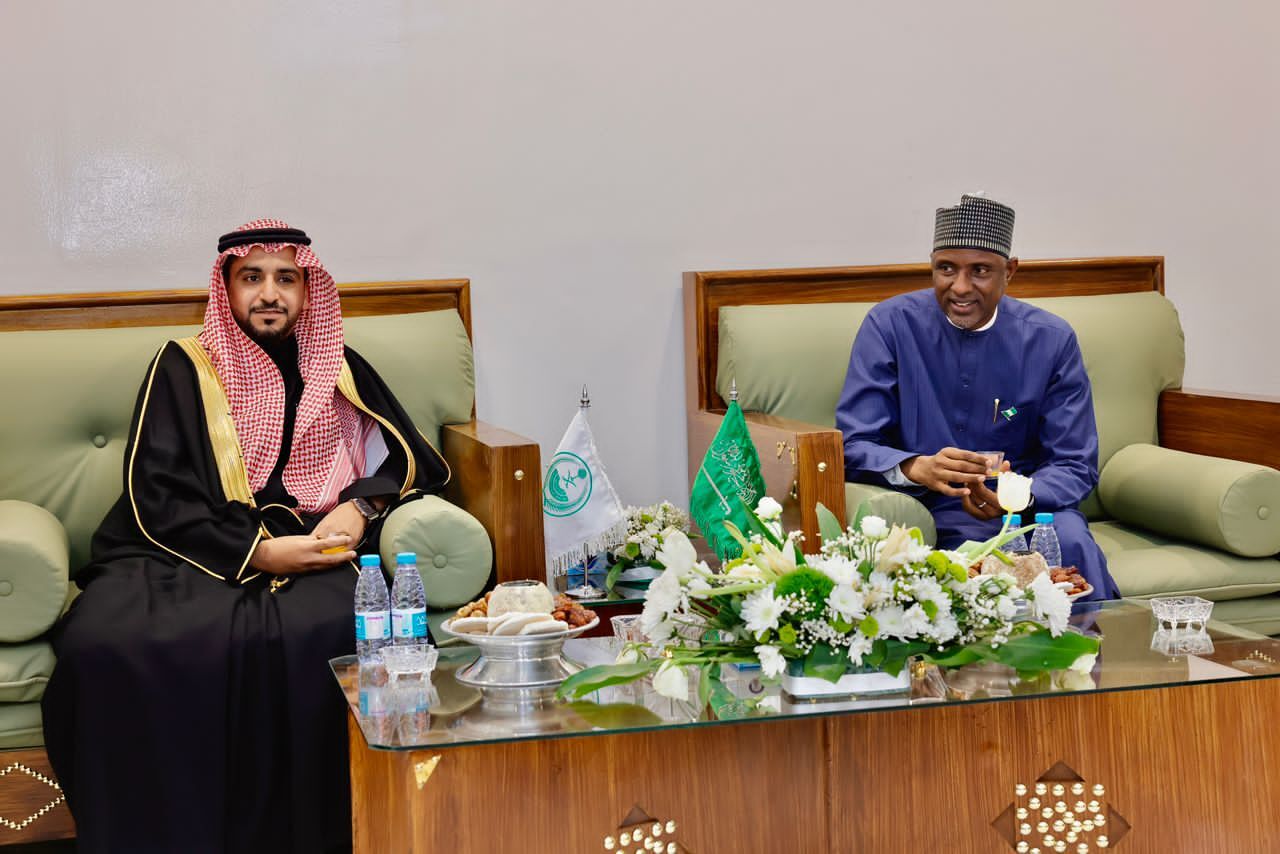
On the sidelines of the Future Minerals Forum taking place in Riyadh Saudi Arabia, Nigeria and the Kingdom of Saudi Arabia advanced a new chapter in geopark diplomacy through the signing of a Partnership Framework for Cooperation on Geoparks Mentoring, Technical Exchange and Creative Geotourism Promotion between Ghamra Camp (North Riyadh UNESCO Global Geopark) and Zuma Rock Resort Aspiring Geopark / Royal Institute (Nigeria).
The signing was witnessed on behalf of the Honourable Minister of Solid Minerals Development, Dr. Dele Alake, by the Permanent Secretary of the Ministry, Engr. Faruk Yusuf Yabo, as part of the Minister’s official engagements at the Forum. The collaboration was facilitated by the UNESCO International Geoscience and Geoparks Programme Nigeria National Committee (IGGP-NNC) under the leadership of Dr. Aminu Abdullahi Isyaku, with the Nigerian Geological Survey Agency (NGSA) serving as Secretariat.
According to Dr. Isyaku, the partnership aligns directly with the Renewed Hope Agenda of President Bola Ahmed Tinubu, particularly in positioning geoscience as a driver of both economic growth and environmental stewardship. “This engagement reflects the Honourable Minister’s balanced commitment to sustainable geoscience—developing Nigeria’s extractive minerals sector while safeguarding outstanding geoheritage sites for transformation into geoparks and geotourism destinations,” he stated.
The Framework provides a practical, non-bureaucratic platform for mentoring, technical exchange, creative geotourism, and mutual promotion, enabling Saudi Arabia’s advanced geopark experience to support Nigeria’s emerging initiatives while creating new value chains in culture, digital content, training, and destination branding.
The two countries also acknowledged the historic under-representation of their regions in the global geoparks movement and commended Saudi Arabia’s regional leadership in UNESCO Global Geoparks as a model for West Africa. Through this cooperation, both countries will strengthen people-to-people ties while unlocking sustainable economic opportunities rooted in geoheritage, education, and innovation.