

By Nahum Sule, Jalingo
Fresh revelations from the Office of the Accountant-General (AG) have shifted public scrutiny in the ongoing Taraba payroll crisis, casting significant doubt on the figures and claims earlier released by the State Staff Verification Committee. While the Committee chaired by Haruna Abdulkadir alleged widespread payroll abuse and claimed over 7,800 workers lacked proper documentation, the AG’s office has provided counter-evidence showing major inconsistencies, inflated numbers, and possible manipulation within the verification process itself.
The Accountant-General, Mr. Danjuma Gaius, maintains that the true number of unpaid workers stands at 4,049 — not the 7,800 declared by the Committee. His office also noted that the Committee wrongly included judges whose salaries come directly from the National Judicial Council, alongside names of deceased and retired staff. In contrast to claims that 98% of workers had “no files,” the AG insists many listed individuals were properly hired with executive approval, and their files were available but ignored. He further noted that the 1,410 workers said to be cleared by the Committee were not withheld by his office, but were undergoing mandatory harmonization with the Auditor-General.
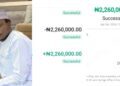
A major turning point emerged after the Accountant-General uncovered a N20.3 million overpayment in the July 2025 salary upload — a breach that analysts describe as deliberate manipulation. According to official records, 21 officers were supposed to receive N3.4 million collectively but were instead paid over N23.8 million. The AG reported that the payroll file had been tampered with before reaching the consultant in charge of uploading the salaries, suggesting possible collusion between actors within the verification process and the payroll consultant. This discovery directly contradicts the Committee’s earlier claims of an October overpayment, which the AG confirmed never occurred.
Financial experts say the July breach provides the clearest evidence yet of internal sabotage, raising questions about the integrity of the verification committee’s methodology and the motives behind its conflicting figures. The AG’s office also highlighted that the Committee attempted to clear workers beyond the number approved by the Governor, further casting doubt on the credibility of its submissions. Meanwhile, attempts by the press to obtain comments from the Committee’s leadership on the N20.3m breach and the altered salary files have been unsuccessful.
As civil servants remain anxious over delayed salaries, the AG’s documented findings have strengthened calls for an independent forensic audit of the entire verification exercise. With mounting evidence of procedural flaws, doctored payroll files, and exaggerated claims, many observers now argue that the Accountant-General’s data-driven position offers a more credible path toward restoring transparency, protecting genuine workers, and stabilizing Taraba State’s payroll system.