
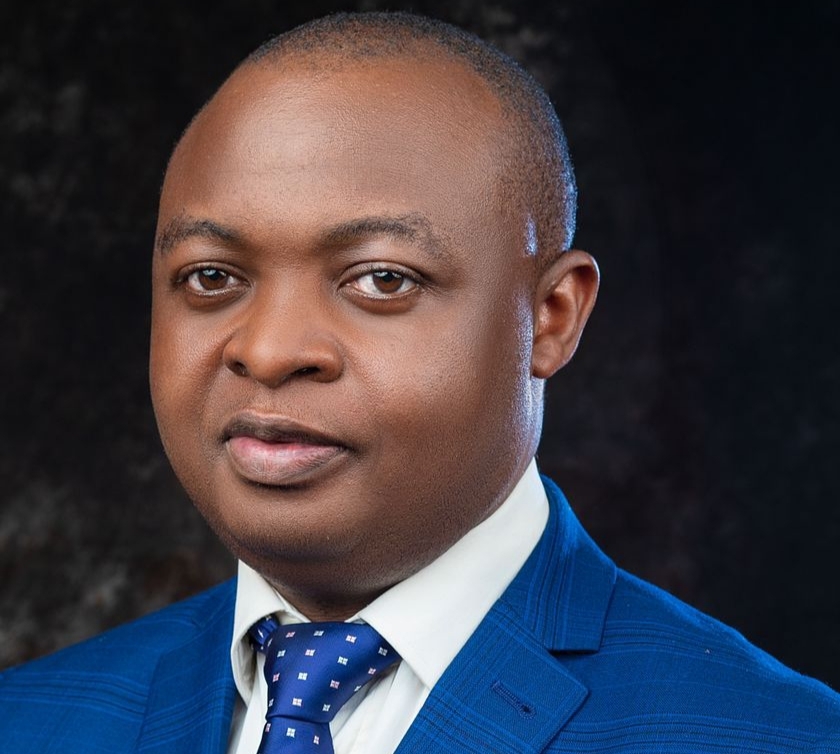
By Capt. Caleb Danladi Bako (PhD)
Each time tragedy strikes on Nigeria’s inland waterways or coastal waters, the human cost is staggering: lives lost, families shattered, and communities traumatised. But instead of apportioning blame, we must focus on one thing, solutions. Boat mishaps are not inevitable. With coordinated action, they can be drastically reduced, and in many cases, completely prevented.
The foundation of safer waterways lies in strong, enforceable regulations. We must make life jackets, passenger manifests, load limits, and certified crew requirements non-negotiable. These should be strictly monitored by maritime safety agencies and local authorities alike. Compliance must be incentivised through subsidies and enforced with routine inspections.
A digital registration system for all passenger boats, coupled with GPS-based vessel tracking, will enhance accountability. In the event of distress, real-time tracking will help authorities initiate rescue operations swiftly. This system should be made affordable for local operators with government or donor support.
Time is everything during marine accidents. We need well-equipped search and rescue units stationed at high-traffic jetties and transit points. Deploying response boats, trained divers, emergency radio stations, and designated rescue zones will drastically improve survival outcomes.
Boat mishaps often happen in rural riverine communities. We need to decentralise safety training by organizing regular community-based programs on water survival skills, first aid, and proper loading procedures. Empowering passengers with basic knowledge can save lives.
Boat operators should undergo mandatory training and licensing, just like road drivers. A standardised curriculum on navigation, engine mechanics, safety drills, and weather reading must be adopted. Certification should be renewed periodically after refresher courses.
Many mishaps occur due to poor boat construction. Government agencies and maritime engineers should collaborate to introduce approved boat models that prioritise safety and durability. Local builders must be trained to adopt these standards, with grants provided to phase out substandard vessels.
Technology can save lives when properly deployed. Low-cost weather monitoring devices and SMS alert systems can warn operators of rough conditions in advance. This system should be integrated into every major jetty and made accessible in local languages.
The Nigerian Maritime Administration and Safety Agency, National Inland Waterways Authority, state marine departments, and traditional institutions must work as a cohesive unit. Joint operations, patrols, and information sharing will plug the gaps currently being exploited.
To reduce the long-term pain for victims’ families, boat operators should be enrolled in an insurance scheme that provides compensation for mishaps. Governments can help by creating risk pools or subsidised marine insurance plans.
We owe it to every Nigerian who boards a boat, whether for trade, travel, or survival, to make safety our absolute priority.
By Capt. Caleb Danladi Bako
Master Mariner and Maritime Advocate
Dancb2k@yahoo.com, Caleb.Danladi@plymouth.ac.uk
+2348064218253.