
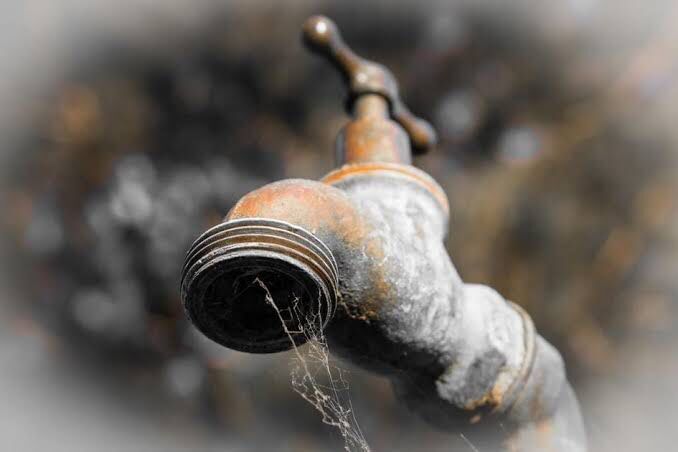
WaterAid Nigeria has called on the Bauchi State Cholera Technical Working Group (TWG) to prioritise the rehabilitation of deteriorating Water, Sanitation, and Hygiene (WASH) facilities in the upcoming budget.
This urgent request comes in light of the ongoing cholera crisis, which poses a significant threat to public health in the region.
During a recent TWG meeting held in Bauchi, the state team lead, Mashat Mallo, emphasised the critical need for immediate action to ensure an effective response to cholera and other waterborne diseases.
Mallo, who was represented by Kashim Alex, a business development officer at WaterAid, underscored that reliance on donor funding is not a sustainable long-term solution.
“Over-dependence on donors compromises our ability to maintain and sustain essential WASH facilities,” Mallo warned. He highlighted that while donor funds are often routed through various ministries, departments, and agencies (MDAs), the onus is on local stakeholders to effectively manage these resources.
Mallo urged the Bauchi State government to reassess its WASH budget allocations and leverage existing donor-supported resources to repair broken facilities.
“Instead of waiting for additional funding, it’s crucial to utilise what is already available,” he stated.
The recent inauguration of the TWG has raised hopes for a more coordinated response to the cholera epidemic. The group has committed to monthly meetings, with its steering committee convening quarterly, fostering an environment of collaboration among civil society organisations, religious groups, and the media. This inclusive approach is seen as vital for enhancing efforts to combat cholera outbreaks.
The Commissioner for Health and Social Welfare, Sani Dambam, echoed these sentiments, stating that the state government is adopting a proactive stance. He outlined a preventive strategy centred on nine key thematic areas, including disease surveillance, the sustained use of oral cholera vaccines, effective leadership coordination, risk communication, and community engagement.
Dambam urged all stakeholders to intensify public awareness campaigns against unhygienic practices, particularly during the first quarter of the year when cholera cases typically surge. He emphasised that education and community involvement are essential components in the fight against this preventable disease.
The urgent need for action in Bauchi highlights a broader issue confronting many regions in Nigeria, where inadequate WASH infrastructure contributes to recurring cholera outbreaks. WaterAid’s call to action serves as a reminder of the essential role that clean water and sanitation play in safeguarding public health.
As the Bauchi State government prepares its budget, the spotlight is now on its commitment to addressing these urgent infrastructure needs. The time to act is now, and the health of the community depends on the swift rehabilitation of WASH facilities.
Conclusion
The ongoing cholera crisis in Bauchi underscores the critical need for sustainable WASH solutions. By prioritising the rehabilitation of broken facilities and utilising existing resources, the Bauchi State government can lead the way in preventing future outbreaks. The collaborative efforts of all stakeholders will be vital in this endeavour, ensuring that the health and well-being of the community are protected.
WaterAid’s call to action is not merely a plea; it is a roadmap for a healthier future in Bauchi. The government, NGOs, and the community must unite to make this vision a reality.
For more insights and updates on the cholera situation in Bauchi and other related public health issues, stay tuned to Elanza News.