By Nahum Sule,Jalingo
When the Taraba State Government announced the temporary closure of the Specialist Hospital, Jalingo, I visited the facility to assess the situation on ground and its potential implications for patients whose lives depend on continuous medical care.
What I encountered was disturbing.
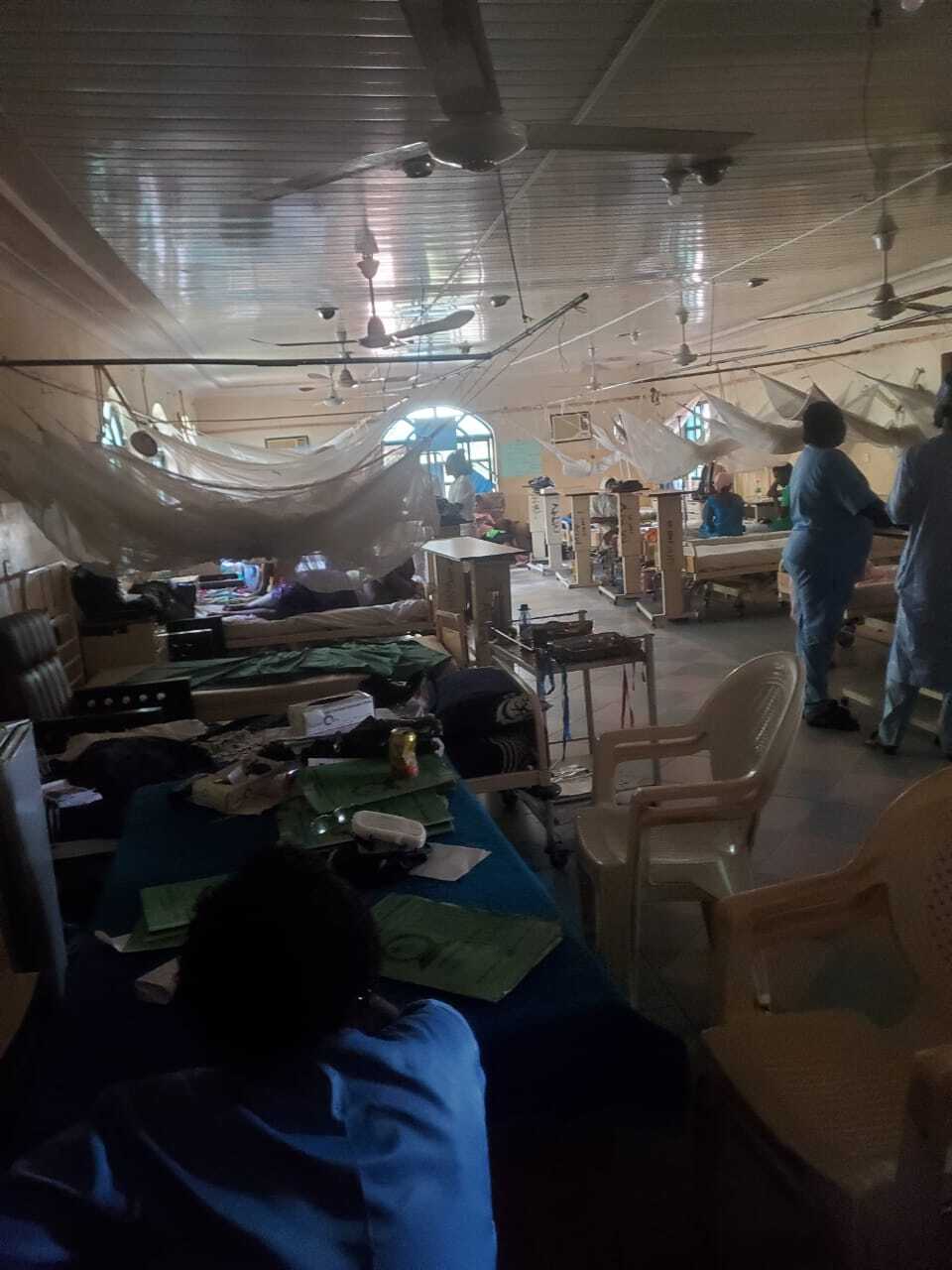
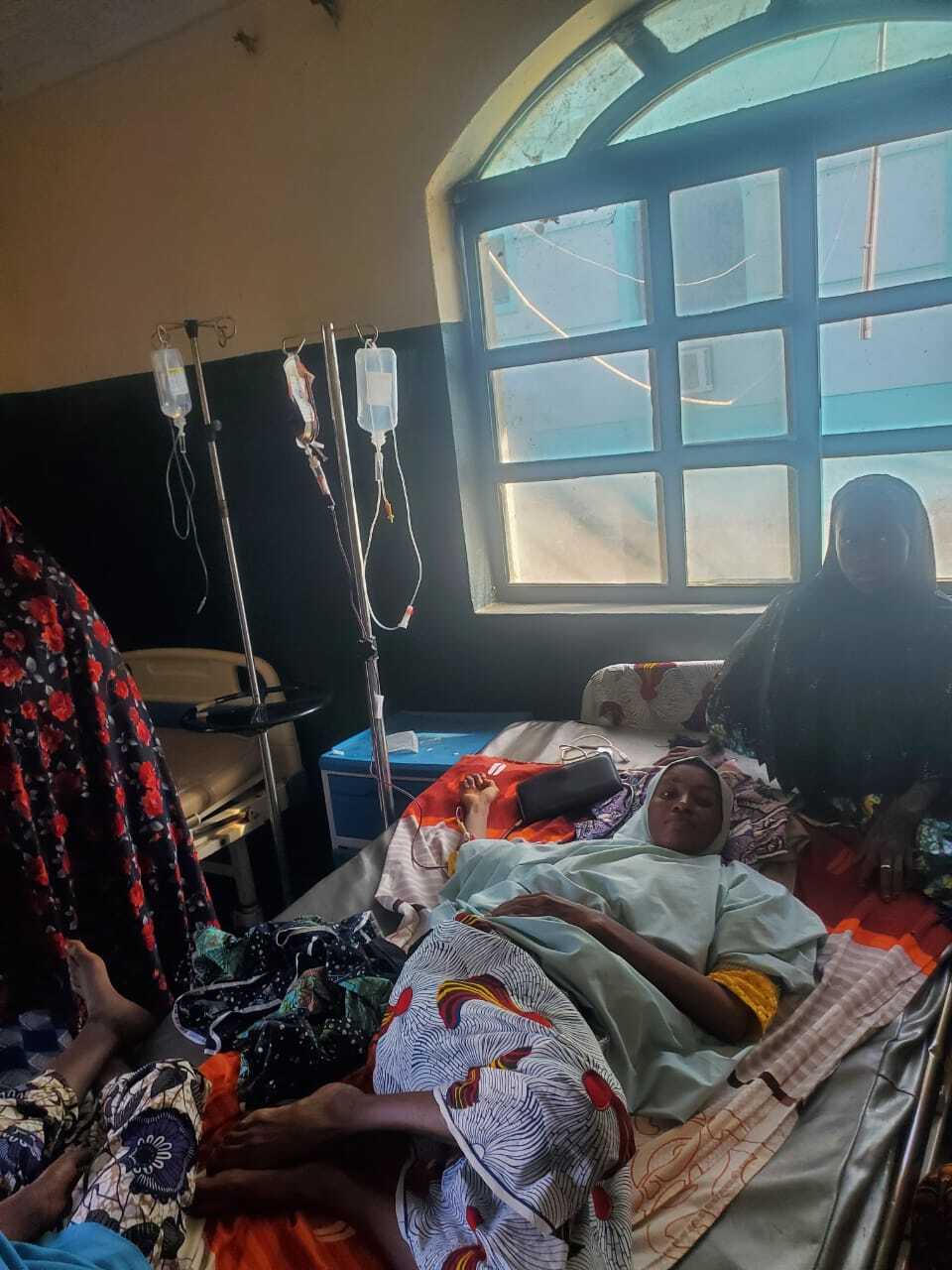
Across several wards, patients were still receiving treatment, many of them in critical condition. At the dialysis unit, chronic kidney patients were visibly stranded. These are patients who require regular dialysis to stay alive. With reports that dialysis machines at the Federal Medical Centre (FMC) are currently not functioning optimally, a total shutdown of the Specialist Hospital raises fears of multiple avoidable deaths. Dialysis is not a service that can be paused; without consistent operation, machines may malfunction or become unusable, while patients deteriorate rapidly.
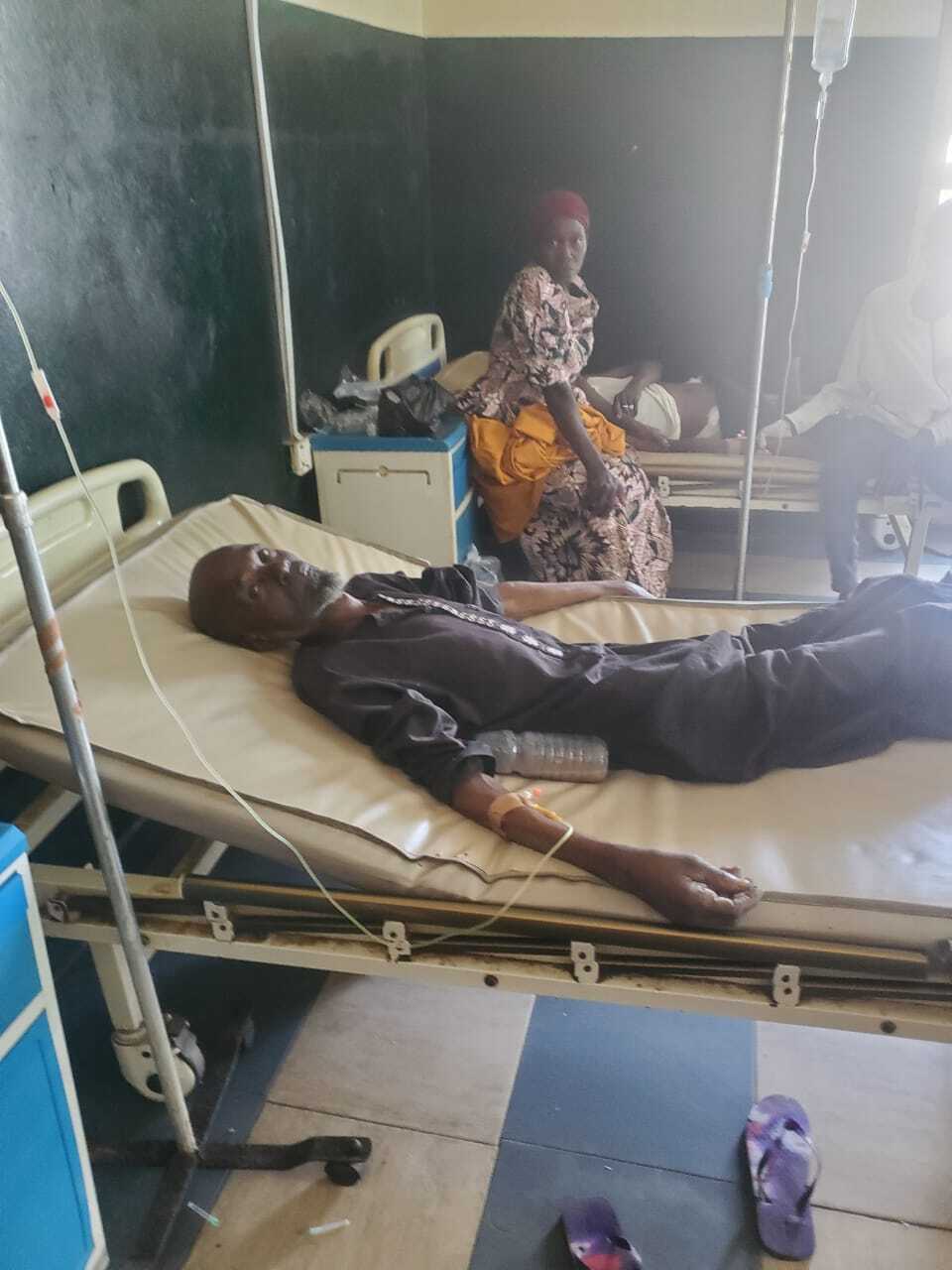
In the maternity and medical wards, treatment was ongoing. In one ward, I observed an elderly woman in her seventies undergoing a blood transfusion. For patients in such conditions, abrupt closure of a hospital is effectively a death sentence, as interruptions in care can lead to severe complications or fatal outcomes.
Medical experts point out that certain hospital cases cannot withstand service disruption. These include dialysis patients, those receiving blood transfusions, emergency obstetric cases, severe trauma victims, critically ill children, cardiac patients, and individuals on oxygen or intensive monitoring. For such patients, continuity of care is not optional—it is lifesaving.
Contrary to speculation that the hospital was shutdown due to the elapsed tenure of the Chief Medical Director, Dr. Alex Maiangwa, the hospital has been undergoing series of renovation since last year, which the government demanded that patients should be disengage to get the work done in time.
While renovation work is ongoing at the facility, health advocates argue that a total closure poses unbearable risks and potential loss of life. They note that many hospitals across the country undergo phased renovations, allowing critical departments to remain operational while construction continues in other sections. This approach minimizes risk, protects vulnerable patients, and balances infrastructure development with urgent healthcare needs.
From observations on ground, it is evident that the Specialist Hospital remains a lifeline for many residents of Taraba State. Any decision affecting its operations must carefully consider the immediate human cost. Rather than a blanket shutdown, a sectional or phased approach to renovation could preserve lives while improvement works continue.