
The Federal Government has announced that Nigeria is making significant strides towards establishing a sustainable power sector and ensuring a dependable electricity supply for its citizens.
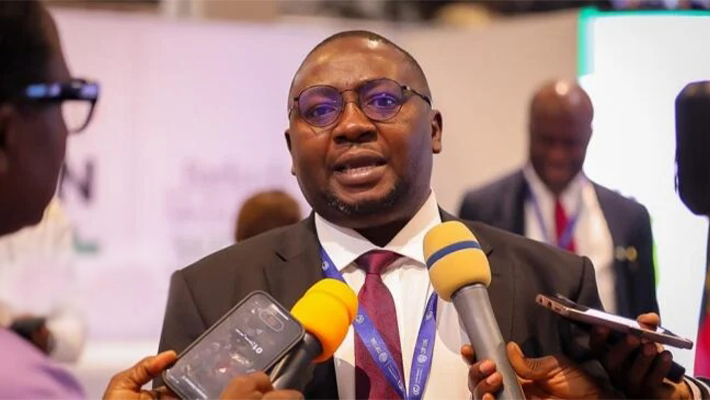
During the inauguration of a new two-story facility featuring five training workshops and a 104-room hostel at the National Power Training Institute of Nigeria (NAPTIN) in Abuja on Wednesday, Minister of Power Adebayo Adelabu expressed optimism about the country’s progress in this critical area.
Adelabu commended NAPTIN and the power sector, asserting that Nigeria is on the right track to achieving sustainability. He emphasized that the administration led by President Bola Tinubu is committed to transforming its vision into actionable outcomes.
He highlighted that Nigerians are beginning to see the benefits of these efforts: “This administration has achieved the highest power generation in our nation’s history. We have experienced unprecedented transmission rates, stable infrastructure, and enhancements in our distribution capabilities.”
He expressed confidence that Nigerians would soon enjoy 24/7 uninterrupted power supply, stating, “This is achievable, as we are already witnessing the signs of progress.”
The minister also outlined the federal government’s initiatives to illuminate universities, teaching hospitals, healthcare centers, institutions, offices, and communities, emphasizing the critical role of electricity in ensuring optimal functionality across vital sectors.
“This is why the President prioritizes the power sector as a fundamental driver for other essential sectors such as education, health, and aviation,” he noted, stressing the importance of making the power sector efficient.
Adelabu discussed strategies for achieving sustainability within the sector, including enhancing local capacity and reducing reliance on foreign expertise. He asserted, “Nigeria possesses the potential to manufacture its own meters, cables, transformers, and batteries. We have the talent and capability; thus, self-reliance and sustainability are within our reach.”
He stated that the inauguration of these projects reflects the government’s commitment to cultivating a skilled workforce capable of meeting the challenges posed by a rapidly evolving energy landscape. The establishment of training workshops represents a vital investment in human capital—an essential foundation for a thriving energy sector.
The minister explained that sustained investment in the power sector would foster national development, equipping Nigerian youth with advanced skills and technologies needed for innovation, efficiency, and sustainability. This, he argued, would lead to increased job opportunities and improved economic prosperity for the youth.
Adelabu praised the President’s vision, which has facilitated the completion of this project and other initiatives. He reaffirmed the ministry’s dedication to collaborating with the European Union (EU) and other development partners to bolster infrastructure development and job creation within the sector.
He encouraged stakeholders to engage with the training institute, emphasizing the importance of utilizing the facilities to promote peer learning and professional growth.
Ahmed Nagode, the director-general of NAPTIN, provided insights into the project, describing it as a commitment to transforming the power sector. He emphasized that the new building symbolizes a foundation for a brighter future filled with opportunities.
“This training workshop showcases our dedication to providing state-of-the-art resources and an engaging learning environment for the upcoming generation of energy professionals,” he stated. “Equipped with modern facilities and technology, our workshop will enhance the quality of vocational training, ensuring our trainees are well-prepared for current and future industry challenges.”
Nagode added that the new 104-room hostel would further enrich the institute’s training program by offering comfortable accommodations that foster focus, collaboration, and community building.
He announced plans for NAPTIN to pursue strategic partnerships with other agencies to implement the Next Generation Rescue Programme, a joint initiative aimed at training and empowering young Nigerian leaders.
Nagode expressed gratitude for the support from the EU and the French Government through the Agence Française de Développement (AFD), which provided funding and technical assistance for the project.