
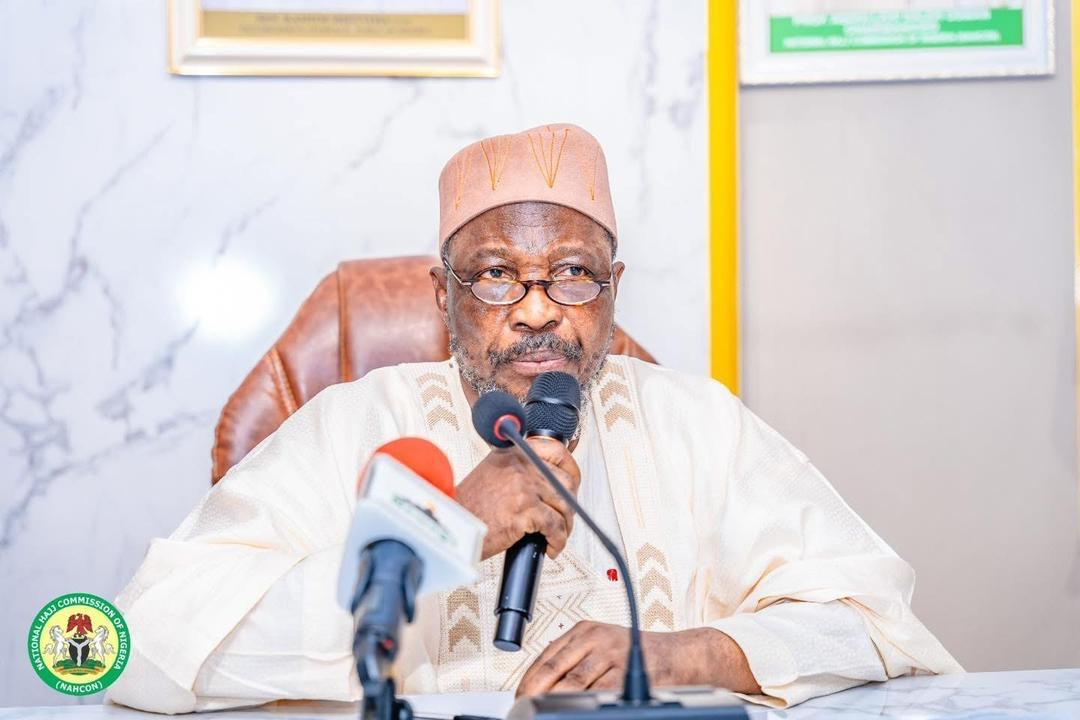
The resignation of Professor Abdullahi Saleh Pakistan as Chairman and Chief Executive Officer of the National Hajj Commission of Nigeria (NAHCON) has sent shockwaves through the Hajj community, prompting widespread celebration among stakeholders. This pivotal moment comes on the heels of a tumultuous tenure plagued by allegations of corruption and administrative failures.
A Welcome Departure
Following the announcement of Mr Pakistan’s resignation, numerous NAHCON staff expressed relief, indicating that his departure marks a significant turning point for the commission and the broader Hajj industry. Many employees voiced their intentions to hold a celebratory gathering, or walima, in gratitude for what they perceive as a long-overdue change in leadership. Staff members have described his 18-month tenure as “the most controversial” in recent history, riddled with scandal and misconduct.
The jubilation follows a critical visit from Saudi Arabia’s Minister of Hajj and Umrah, Dr Tawfiq bin Fawzan Al-Rabbiah, who explicitly stated that the Kingdom would not collaborate with Mr Pakistan. This visit underscored the severe operational challenges Nigeria has faced during his leadership, prompting the Saudi ministry to establish a special monitoring team for Nigerian Hajj operations—a first in the history of the commission.
Circumstances Leading to Resignation
Reports indicate that Mr Pakistan intensified his lobbying efforts in a bid to avoid dismissal, seeking support from influential figures, including the Governor of Imo State, Hope Uzodimma, and top aides of President Bola Tinubu. However, when it became clear that his fate was sealed, presidential aides advised him to resign rather than face a formal dismissal.
Sources within the presidency revealed that the decision to allow Mr Pakistan to step down voluntarily was a strategic move to mitigate further embarrassment for the administration. The Saudi Minister’s expression of no confidence was reportedly the final straw that led to Mr Pakistan’s exit.
A Legacy of Allegations
Mr Pakistan’s tenure has been characterised by significant allegations of corruption, resulting in multiple investigations by anti-graft agencies. Key accusations include the misappropriation of billions of naira in funds allocated for Hajj operations. Allegations involved extravagant spending on unnecessary accommodations and exorbitant allowances for officials, all while the commission struggled to meet basic operational standards.
The fallout from his leadership has left a stain on Nigeria’s reputation within the international Hajj community, prompting stakeholders to question the integrity and efficiency of the commission. Concerns have been raised about the management of the Saudi NUSUK digital platform, failure to pay service providers, and the overall organisation of the 2025 Hajj, which has been described as one of the worst in recent memory.
Celebrations Beyond Nigeria
The resignation has also sparked celebrations among Hajj service providers and local stakeholders in Saudi Arabia. Many expressed their relief, stating that the removal of Mr Pakistan may herald a new era of efficiency and collaboration in the Hajj process. Some stakeholders have already planned to perform tawaf at the Ka’aba Grand Mosque in gratitude for what they view as an answer to their prayers.
## Calls for Accountability
In the wake of Mr Pakistan’s resignation, NAHCON staff have vowed to continue their anti-corruption campaign, insisting that all officials implicated in misconduct during his administration must be held accountable. There is a palpable sense of determination among employees to ensure that the issues plaguing the commission are addressed head-on.
One staff member remarked, “Under Mr Pakistan, NAHCON became synonymous with corruption. We aim to expose any further misconduct, regardless of who occupies the chairman’s office.”
Petitions and Future Leadership
A coalition of commissioners within NAHCON had previously petitioned President Tinubu, urging for Mr Pakistan’s removal due to gross misconduct. They argued that retaining him for even one more day would jeopardise the planning of the upcoming 2026 Hajj.
With Mr Pakistan’s departure, stakeholders are now calling for a new leadership paradigm. Many advocate for the appointment of a seasoned administrator from a state pilgrims board, someone equipped to navigate the complexities of Hajj operations effectively. There is a consensus that the next chairman should be a neutral party, devoid of ties to any particular sect, to foster unity and collaboration across the diverse Muslim community.
A Call for Change
Religious leaders have echoed these sentiments, urging the government to appoint a competent individual with a solid understanding of Hajj logistics and administration. They stress the importance of selecting a leader who can bridge the gaps within the Hajj ecosystem and restore Nigeria’s standing in the international community.
Conclusion
As NAHCON grapples with the aftermath of Mr Pakistan’s resignation, the opportunity for revitalisation and reform lies ahead. Stakeholders await the appointment of a new chairman with bated breath, hopeful that this change in leadership will usher in a new era of integrity and excellence in Hajj administration.
The resignation marks not just the end of a controversial chapter but a chance for the commission to reclaim its dignity and effectiveness in serving the Nigerian Muslim community and the global Hajj pilgrimage. The path forward will undoubtedly require vigilance, accountability, and a commitment to ethical governance, ensuring that the mistakes of the past are not repeated.