
The Kaduna State Government has said its World Bank-funded Livestock Productivity and Resilience Support(L-PRES) Project is delivering measurable gains in animal health, pastoral livelihoods and peace-building across the state.
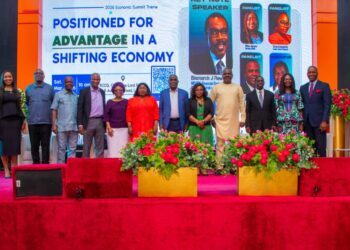
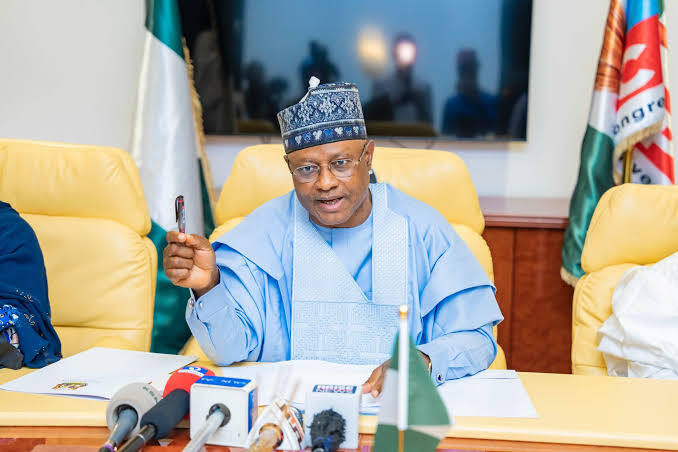
The Commissioner for Agriculture, Murtala Mohammed Dabo, stated this in Abuja on Thursday at a 5-day training on Effective Project Execution and Resource Allocation for members of the State Steering Committee and State Technical Committee of the L-PRES project.
Dabo said the training was designed to strengthen the capacity of committee members to monitor, supervise and ensure the project meets its set objectives.
He explained that the project, which has a lifespan of three to four years, is currently in its second year and has recorded “significant mileage” in implementation.
According to him, pastoralist communities are being settled in organised clusters equipped with critical infrastructure, including solar-powered boreholes that provide clean water for herders and their livestock.
He added that demonstration fields have been established to cultivate nutritious pasture, encouraging ranching and reducing the long-standing practice of roaming in search of food and water.
“Access to clean water and quality pasture has improved livestock health, reduced disease and increased productivity, including higher milk yields,” the commissioner said.
Dabo noted that the settlement of herders had also enabled their children to attend school, while the drastic reduction in cattle movement had lowered incidents of crop damage and violent clashes with farmers.
He said the initiative had strengthened peace-building, with conflict resolution mechanisms in place to resolve disputes amicably.
“The impact on peace is unprecedented. Crises between herders and farmers have reduced significantly,” he added.
Dabo further said improved livestock productivity was contributing to economic growth, boosting pastoralists’ incomes and the state’s Gross Domestic Product.
On accountability, he said the project was closely monitored by state committees and the World Bank to prevent mismanagement and ensure strict adherence to approved work plans.
“I am very impressed and proud of the achievements recorded so far by the L-PRES project,” he said.
Also speaking, the Project Coordinator, Livestock Productivity and Resilience Project, Dr Shitu Salisu, said the training was organised for steering and technical committee members to deepen their understanding of their statutory roles.
Salisu said the committees were responsible for appraising annual work plans and monitoring implementation in line with the project’s development objectives.
He disclosed that the project targets about 1.2 million farmers in Kaduna State to benefit directly.
According to him, intervention packages have been designed for small and micro livestock farmers, including poultry, sheep, goats and dairy cattle, with a special focus on women and youths.
He added that large-scale farmers could access loans through the Development Bank of Nigeria, while small-scale farmers benefit from infrastructure such as solar-powered boreholes, equipment and demonstration plots.
Salisu said the project, funded as a loan by the World Bank to the Federal Government, currently operates in 20 states, with others expressing interest due to visible results.
He added that the project supports the international pig market in Kafanchan, where solar-powered boreholes have been installed and a climate-smart slaughterhouse is under development.
He said all local government areas in Kaduna State were benefiting from the project, adding that stakeholder engagement and awareness were key to sustainability and local ownership.