

In a significant move to safeguard animal health and bolster agricultural resilience, the Federal Government of Nigeria has delivered a major consignment of veterinary vaccines to Gombe State. Through the Livestock Productivity and Resilience Support Project (L-PRES), a World Bank-assisted initiative, more than 200,000 doses of critical vaccines were formally presented to the state government on Monday.
The handover ceremony, which took place in Gombe, underscores a strategic national effort to combat trans-boundary animal diseases, protect farmers’ livelihoods, and enhance food security. Sanusi Abubakar, the National Coordinator of L-PRES, emphasised that the intervention is squarely aimed at proactive disease prevention, a cornerstone of sustainable livestock farming.
A Strategic Shield Against Devastating Diseases
The donated vaccines are targeted at three major livestock diseases that pose a persistent threat to the agricultural economy of Gombe State and the wider region. The consignment is meticulously allocated to address specific viral and bacterial outbreaks:
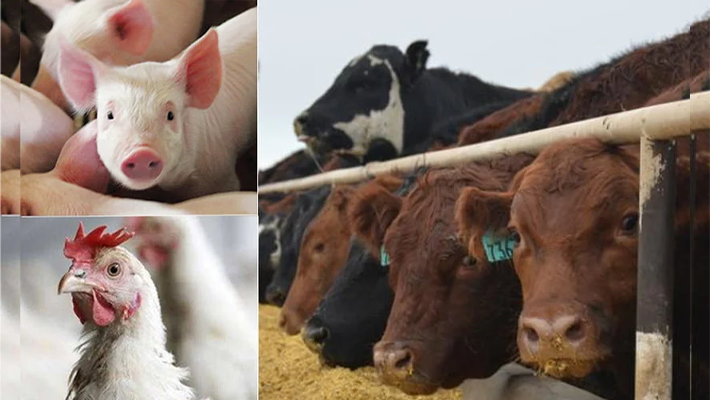
· 150,000 doses for Contagious Bovine Pleuropneumonia (CBPP): A highly contagious and often fatal respiratory disease affecting cattle, leading to severe economic losses through mortality, reduced draught power, and diminished milk production.
· 50,000 doses for Newcastle Disease: A devastating viral infection affecting poultry, particularly village chickens which are a crucial source of protein and income for rural households. Outbreaks can wipe out entire flocks.
· 4,000 doses for Foot-and-Mouth Disease (FMD): A severe, highly transmissible viral disease affecting cloven-hoofed animals like cattle, sheep, and goats. While rarely fatal in adult animals, it causes debilitating fever, blisters, and lameness, drastically reducing productivity and trade.
Abubakar, represented at the event by Sadik Usman of the National L-PRES Secretariat, stated that this targeted support is designed to “empower the state to tackle trans-boundary animal diseases that affect livestock productivity and reduce farmers’ income.” He further announced an upcoming additional batch of vaccines for Peste des Petits Ruminants (PPR), a deadly plague affecting sheep and goats.
Bolstering State Efforts and Ensuring Judicious Use
Receiving the vaccines on behalf of the Gombe State Government, the Commissioner for Agriculture, Animal Husbandry and Cooperatives, Barnabas Malle, expressed profound appreciation for the federal intervention. He commended the L-PRES project for its consistent efforts in strengthening the state’s veterinary healthcare capacity.
Commissioner Malle confirmed that the vaccines would be administered free of charge to livestock across the state’s eleven local government areas. This donation, he noted, would directly complement the state’s annual mass vaccination campaigns. He recalled previous collaborative efforts, such as the procurement of Anthrax vaccines with L-PRES support, highlighting an ongoing partnership.
“With the large population of livestock in Gombe, these doses will go a long way in complementing the state’s annual efforts,” Malle stated. He assured donors and stakeholders of the state’s commitment to the judicious and transparent use of the vaccines, strictly in line with the project’s mission. He also revealed plans for the state government to procure additional vaccines to ensure more comprehensive coverage of the animal population.
The Broader Impact: Productivity, Public Health, and Economic Resilience
The implications of this vaccination drive extend far beyond immediate disease control. Usman Abubakar, the Gombe State Coordinator for L-PRES, outlined the multifaceted benefits for the local agricultural economy.
1. Enhanced Livestock Productivity: Healthy animals grow faster, produce more milk, and have better reproductive rates. By controlling debilitating diseases, the initiative directly increases the yield and value of Gombe’s livestock, translating to higher incomes for pastoralists and farmers.
2. Protection of Public Health: Many animal diseases (zoonoses) can be transmitted to humans. Controlling outbreaks at the animal source is a critical first line of defence in protecting community health and preventing public health crises.
3. Strengthened Livelihoods and Poverty Reduction: For many families in Gombe, livestock is not just a food source but a primary asset and savings mechanism. Preventing disease-related deaths protects household wealth and economic stability, contributing directly to poverty alleviation.
4. Improved Market Access and Trade: Regions with effective disease control programmes face fewer restrictions on the movement and sale of animals and animal products. This enhances trade opportunities both within Nigeria and across borders.
A Collaborative Path Forward: Stakeholder Engagement and Future Plans
The successful implementation of this campaign hinges on effective collaboration. The National Coordinator, Sanusi Abubakar, charged all stakeholders—including state veterinary officials, community leaders, and farmers’ associations—to ensure the vaccines reach the intended beneficiaries in the field.
To this end, Usman Abubakar confirmed readiness to constitute a dedicated working group to oversee the vaccination drive, ensuring logistical efficiency and broad coverage. He issued a direct appeal to herders and livestock farmers across Gombe State to actively participate by presenting their animals for the free and vital vaccination exercise.
Conclusion: A Vital Investment in Gombe’s Agricultural Future
The donation of over 200,000 livestock vaccines to Gombe State represents a tangible and strategic investment in the backbone of the region’s rural economy. Through the L-PRES project, the Federal Government and its World Bank partners are addressing a fundamental constraint to agricultural growth—animal disease.
This intervention aligns with broader national goals of achieving food security, boosting non-oil exports, and building climate-resilient livelihoods. By protecting the health of cattle, poultry, sheep, and goats, the initiative safeguards nutrition, income, and prosperity for countless families in Gombe State, while fortifying a critical sector against preventable shocks. It is a demonstrable step towards transforming Nigeria’s livestock subsector into a more productive, sustainable, and profitable enterprise.