By Abubakar Yunusa
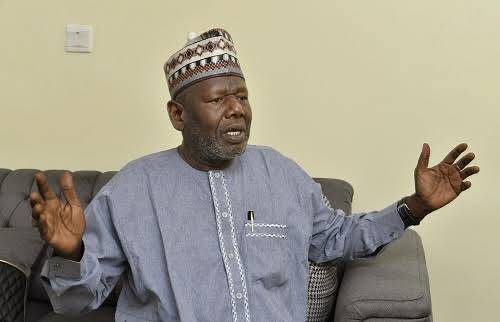
Prof. Abba Gambo is a prominent Nigerian Professor of Horticulture and a leading agricultural expert, on Saturday narrated disturbing accounts of abuses allegedly linked to the Boko Haram insurgency, warning that the conflict was producing a second generation of violence and trauma.
Gambo, who chaired a public lecture in Abuja, spoke at an event organised by the Muslim Rights Concern (MURIC), Abuja chapter, with the theme “Towards Changing the Narrative on Insecurity and Drug Abuse in Nigeria.”
He traced the roots of the Boko Haram crisis to Maiduguri in 2009, noting that nearly 15 years later, the country was still grappling with its consequences.
“The first set of children born during the early years of the insurgency are now about 16 years old,” he said. “There is a real danger that some of them may be drawn into the same cycle of violence.”
Addressing women in the audience, Gambo recounted incidents he described as examples of the deep social and psychological damage caused by the conflict.
He cited the case of a school principal whose wife and daughter were kidnapped during an attack on a secondary school. According to him, both were allegedly abused by insurgents before their eventual rescue.
In another account, Gambo referred to an incident at the University of Maiduguri Teaching Hospital, where a woman in labour reportedly asked not to see the child she was about to deliver.
According to the professor, the woman later told medical staff that the pregnancy resulted from abuse by her own son, whom she claimed was a member of the insurgent group.
Gambo stressed that the stories were meant to highlight the extreme breakdown of values and family structures caused by prolonged insecurity.
“Even animals do not behave this way,” he said emotionally, urging religious leaders, families and communities to take stronger roles in tackling insecurity and drug abuse.
He called on the Muslim community, the wider society and government institutions to address not only the security aspects of insurgency but also its long-term moral, social and psychological consequences.
The lecture drew religious leaders, civil society actors and members of the public concerned about the enduring impact of insurgency on Nigerian society.