

SOKOTO – Cultivating an indomitable ‘warrior ethos’ is non-negotiable for a combat-ready and mentally resilient Nigerian Army, the Chief of Army Staff (COAS), Lieutenant General Waidi Shaibu, has declared. This vital cultural bedrock is now at the heart of a concerted push to tackle the insidious threats of Post-Traumatic Stress Disorder (PTSD) and substance abuse within the ranks, identified as critical dangers to operational effectiveness.
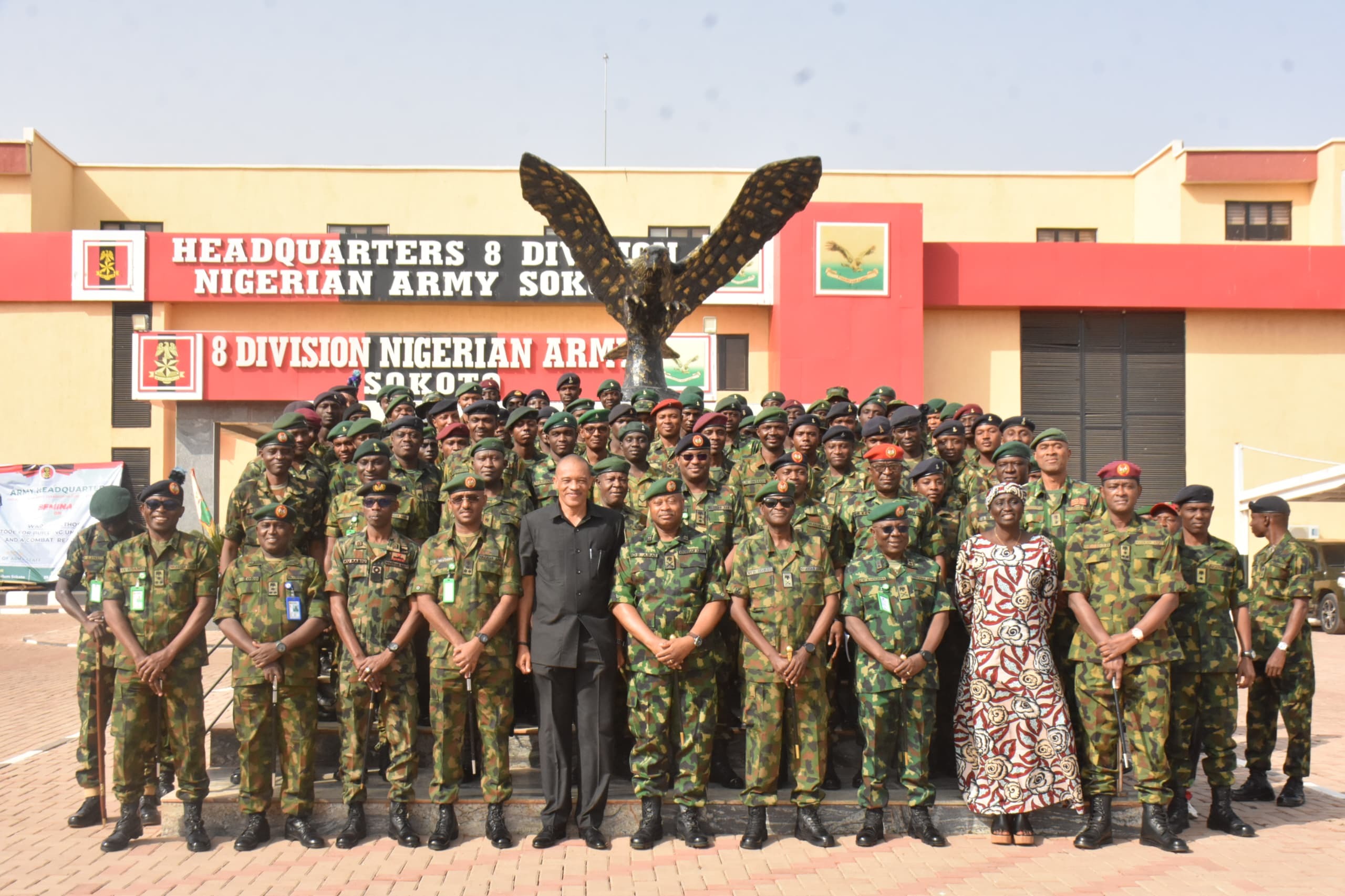
The high-level directive was delivered at a seminal seminar organised by the Army Headquarters Department of Transformation and Innovation. The event, themed “Warrior Ethos: A Tool for Building Unit Cohesion and a Combat-Ready Force,” convened senior officers and soldiers from the Theatre Command of the Joint Task Force North-West, Operation HADARIN DAJI, and key stakeholders at the Headquarters 8 Division Auditorium in Sokoto.
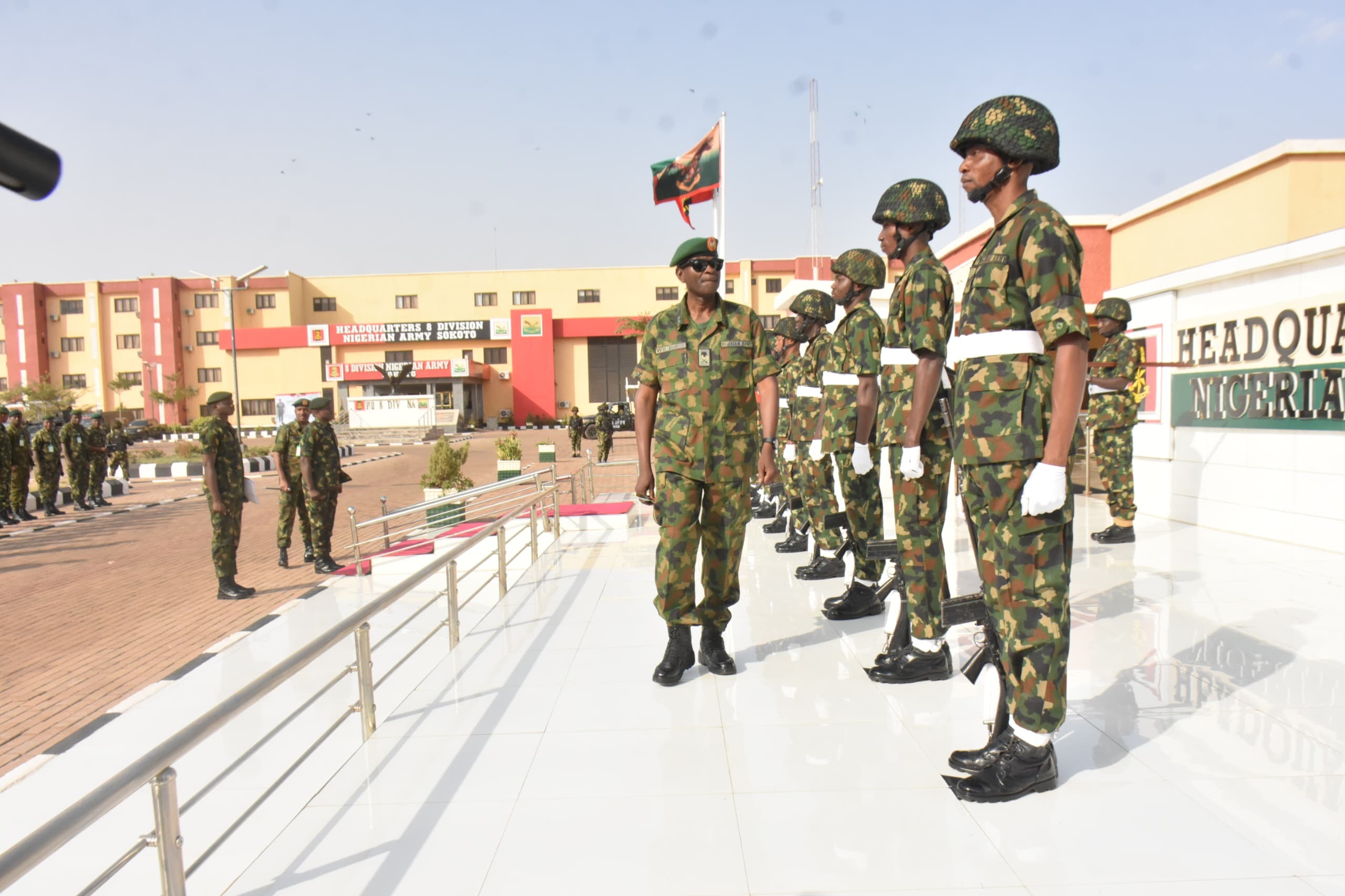
Representing the COAS, the Theatre Commander of Operation HADARIN DAJI, Major General Godwin Mutkut, emphasised that operational success in contemporary conflict zones demands more than just physical prowess. It requires a foundational ethos, deeply ingrained at the unit level, built upon core values of fortitude, selfless service, vigilance, and unshakeable mental and physical resilience.
“The challenges of modern warfare extend beyond the physical battlefield,” the Army Chief’s address stated. “Post-Traumatic Stress Disorder and drug abuse represent a dual menace that systematically erodes the combat effectiveness, discipline, and morale of our troops. To build a force that is not only capable but also durable and psychologically robust, we must intentionally foster a warrior ethos that empowers our soldiers to overcome these adversities.”
Lieutenant General Shaibu described the seminar as a “timely intervention,” providing a crucial platform for introspection, knowledge exchange, and the formulation of concrete strategies to fortify the human element of the nation’s defence architecture.
Aligning with a Transformational Vision
In his welcome address, the Chief of Transformation and Innovation (Army), Major General Samson Abai, reaffirmed that the seminar’s objectives are in strict alignment with the COAS’s Command Philosophy. This philosophy is centred on transforming the Nigerian Army into a more professional, adaptable, and resilient institution.
Major General Abai highlighted the seminar’s focused agenda on addressing the profound mental and psychological strains borne by troops engaged in prolonged counter-insurgency and counter-terrorism operations. “The human dimension of warfare is paramount,” he stated. “By strengthening the psychological fortitude of our personnel and enhancing unit cohesion, we directly boost our overall combat readiness and sustainability in the field.”
He commended the Army Chief for his unwavering focus on the welfare and mental fitness of personnel and thanked participants for their commitment to professional development.
Expert Analyses and Roadmaps
The seminar featured presentations from esteemed resource persons with extensive operational and clinical experience, who delivered three penetrating lectures:
1. Intensifying Warrior Ethos and Mental Toughness: Delivered by Major General Charles Ofoche (Rtd), this lecture dissected the components of a modern warrior ethos. He argued for systematic training programmes that build mental toughness, enabling soldiers to withstand extreme stress, make sound decisions under pressure, and maintain moral integrity in complex combat environments.
2. Effect of Drug Abuse on Nigerian Army Operational Effectiveness: Presented by the Deputy Commander of the Narcotics Directorate, Sokoto Command, Mr. Abdulrazak Umar, this session provided a stark analysis of the operational consequences of substance abuse. The lecture covered the impact on discipline, cognitive function, mission reliability, and unit safety, advocating for stronger preventive measures, support systems, and enforcement within military formations.
3. Overcoming Post-Traumatic Stress Disorder: Given by Lieutenant Colonel Dr. Suzan Dibal (Rtd), a medical expert, this presentation demystified PTSD, outlining its symptoms, triggers, and long-term effects on soldiers and their families. Dr. Dibal emphasised proactive measures, including pre-deployment training, early detection protocols, and the destigmatisation of seeking psychological care. She outlined treatment pathways and the importance of peer support systems for successful reintegration.
A Commitment to Holistic Strength
Highlights of the event included the presentation of souvenirs to distinguished guests, intensive interactive sessions that fostered candid dialogue, valuable networking opportunities during breaks, and group photographs.
The seminar represents a significant institutional acknowledgment by the Nigerian Army leadership that ultimate military strength is holistic. It underscores a strategic shift towards ensuring that personnel are not only tactically proficient and well-equipped but are also psychologically armoured and ethically grounded.
This initiative signals a comprehensive approach to personnel welfare, recognising that the battle for mental resilience is as crucial as the physical battle. By squarely addressing PTSD and drug abuse through the prism of a reinforced warrior ethos, the Army aims to forge a force that is truly unbreakable in spirit and capability, ensuring long-term operational effectiveness and the sustained well-being of its personnel in defence of the nation.
The insights and strategies developed at the Sokoto seminar are expected to directly influence training curricula, counselling services, and leadership directives across formations, marking a pivotal step in building a more resilient and ready Nigerian Army.