
By Adamu lawal Toro
For two weeks now, residents of Wuse Zones 1, 2, 3, 4, 5, and 7, along with parts of Wuse 2 have been living without pipe-borne water. Taps that should flow with the lifeline of any modern city have run dry. And in a city that was meticulously planned to be Nigeria’s showpiece capital, this is not just an inconvenience. It is an indictment.
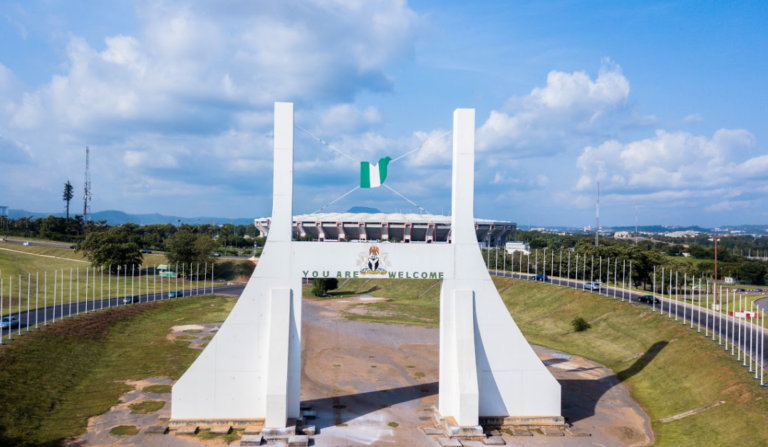
Since the creation of Abuja, this city has never faced this kind of wholesale water failure. Never. Abuja was designed as a purpose-built capital, with infrastructure planned decades ahead. The water treatment plants, the distribution networks, the reservoirs all were meant to serve a city that would work. Yet here we are, in the middle of 2026, watching that dream crumble.
What makes this situation unbearable is the silence. The Federal Capital Territory Water Board has offered no clear explanation to the residents of Wuse. No timeline for restoration. No plan for relief. People are simply left on their own, forced to fend for themselves in a city where the government has abandoned its most basic duty.
This is not a new problem. Reports have shown that water rationing has become the norm in areas like Wuse 1 and 2, Life Camp, Gwarinpa, and Garki. The crisis has been blamed on multiple failures: shrinking water levels at the Usuma Dam, shortage of raw water from the Gurara Dam, lack of treatment chemicals, electricity disconnections due to unpaid bills, ageing pipelines, and even damage to major pipes by private developers. The Lower Usuma Dam is reportedly operating at half its capacity, and the treatment plants are producing below their installed capacity.
Each excuse is more damning than the last. A city that was designed not to fail is failing because of administrative negligence, financial recklessness, and infrastructural decay.
The only consolation, as some have noted, is that this is happening in the middle of the rainy season. But that is cold comfort. Rainwater is not a substitute for pipe-borne water. It cannot flush toilets, cannot supply businesses, cannot sustain the dignity of daily life.
For the residents of Wuse families, business owners, children who need water to wash and drink the rainy season is not a solution. It is a reminder of how far the city has fallen. Come dry season, what then?
A City Designed for Greatness, Failed by Its Stewards. Abuja was not designed to fail like this. It was designed to be a model, a capital that would reflect the best of Nigeria. The master plan envisioned a city where water would flow, where infrastructure would work, where residents would not have to beg for the basics.
But plans mean nothing without execution. And today, the execution has been catastrophic. The FCT Water Board has been crippled by procurement delays, administrative inefficiencies, and a governance structure that has rendered it ineffective. Meanwhile, residents are forced to buy water from vendors at exorbitant prices or dig private boreholes because public supply has collapsed. This is not the Abuja we were promised.
Two weeks without water in a capital city is unacceptable. Two weeks without explanation is a dereliction of duty. Two weeks while the authorities remain silent is an insult to every resident of Wuse.
The FCT Administration and the Water Board must come forward with answers. Where is the water? When will it return? What is being done to prevent this from happening again? And who will be held accountable?
Abuja was never designed to fail like this. But failure is what we are living with. The question is: how much longer will we tolerate it. This is not just about Wuse. It is about every resident of Abuja who has been abandoned by the systems meant to serve them. The water must flow again and those responsible must answer for why it stopped.
Toro lives in Wuse Zone 7 Abuja