

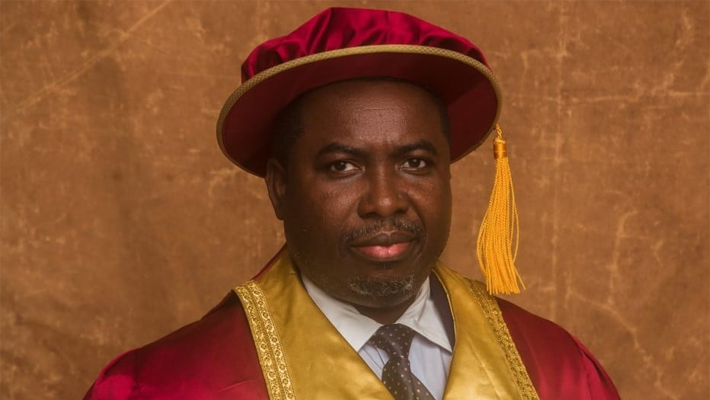
The Chairman of the Independent National Electoral Commission (INEC), Joash Amupitan, has stated that the success of elections hinges on public trust in the information they receive, rather than solely on technology.
He made these remarks on Friday in Abuja during the launch of a book titled ‘The INEC Press Corps: Chronicles of Nigeria’s Election Journalists,’ authored by Segun Ojumu.
Mr Amupitan cautioned that even the most robust electoral systems can be undermined by misinformation, misinterpretation, or deliberate distortion of facts.
“Elections do not succeed on technology alone; they succeed when the public has faith in the information they receive,” he asserted.
He emphasised that journalists play a crucial role in providing the “on-ground verification” necessary to maintain public confidence in the electoral process and enhance its credibility.
“The integrity of our electoral process is paramount; it is the foundation upon which our democracy rests,” he stated.
He described the over 100 members of the INEC Press Corps as vital links between the commission and the electorate.
“Your role is critical. You are the frontline correspondents who ensure that outcomes are transparent and verifiable. You are important chroniclers who validate the integrity of the process for the entire nation,” he remarked.
Mr Amupitan urged journalists to move away from relying on rumours and to verify all information directly from the commission. He highlighted that the commission’s website and digital channels serve as the most authoritative sources for accurate information.
He noted the significant impact of media coverage, referencing the Anambra governorship election and the ongoing Continuous Voter Registration.
He called for a sustained partnership to combat vote-buying, rigging, and deliberate misinformation that could deter voters or incite unrest.
“The media must stand against falsehoods that suppress turnout, incite violence, or undermine the integrity of our results,” he said.
He praised the author for documenting the sacrifices and risks faced by journalists covering Nigeria’s complex electoral landscape.
He committed to continued transparency, accountability, technological innovation, and collaboration as INEC prepares for the FCT polls and the governorship elections in Ekiti and Osun.
In his remarks, Mr Ojumu explained that the book was inspired by eleven years of reporting on INEC and a decade of covering election cycles. He noted that it is not merely a record of events, but a tribute to journalists who work in challenging and volatile environments.
“When you flip through these pages, you are reading a history of courage,” Mr Ojumu remarked.
He cited the ordeal of colleague Chux Ukwuatu as an example of the dangers faced by journalists defending the public’s right to accurate information.
Mr Ojumu expressed hope that the book would encourage more members of the press corps to document their experiences for future generations.
He commended INEC’s technological reforms, stating that digital accreditation and the IReV results portal have transformed the landscape of election reporting.
He also called for ongoing training and mental health support for journalists working in high-pressure situations and urged INEC, political parties, security agencies, and the media to prioritise the safety of reporters, affirming that democracy thrives only “when the messenger is protected.”