
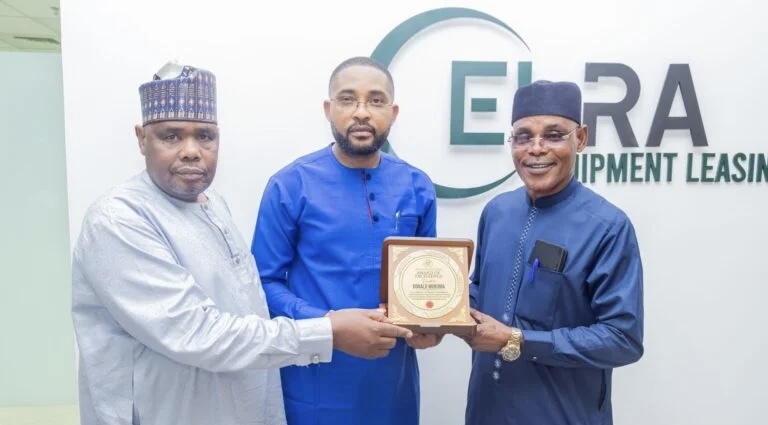
The federal government has partnered with Century Information Systems and the National Commercial Tricycle and Motorcycle Owners and Riders Association of Nigeria to introduce a structured leasing model.
This was announced in a statement on Thursday. It said the leasing model was aimed at eliminating exploitative hire purchase arrangements for motorcycle and tricycle operators nationwide.
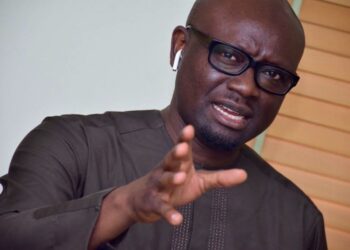
The registrar and CEO of ELRA, Donald Wokoma, described the partnership as a significant step toward financial inclusion and economic empowerment for transport operators.
Mr Wokoma said the initiative sought to improve access to motorcycles and tricycles by easing high upfront costs and rigid repayment conditions that had long burdened operators in Nigeria’s informal transport sector.
According to him, riders will benefit from flexible, structured leasing arrangements that improve affordability and provide clearer pathways to asset ownership.
“Leasing opens the door to economic participation for many who were previously excluded. By removing heavy upfront payment requirements and introducing structured repayment plans, operators are able to preserve capital, improve productivity, and increase daily earnings.
“It is a model that strengthens both individual livelihoods and the national economy,” he said.
Mr Wokoma added that access to newer and well-maintained motorcycles and tricycles would reduce breakdown-related losses and improve operational efficiency across the sector.
CIS’s managing director, Abdul Balarabe, said the initiative would leverage technology-driven solutions, including advanced tracking systems, to enhance monitoring, safety and accountability of leased assets.
Balarabe said the integration of tracking technology would help curb theft, improve asset recovery and enhance overall security for riders and passengers.
He added that the company would continue to onboard trade associations, cooperatives, and other stakeholders into the equipment leasing ecosystem to expand access to structured financing and asset-acquisition opportunities.
Mr Balarabe encouraged interested organisations to engage with the company to commence the onboarding process.
The national president of NATOMORAS, Usman Gwoza, welcomed the initiative, describing it as long-awaited relief for members facing high-cost financing and unsustainable repayment structures.
Mr Gwoza assured that the association would mobilise its nationwide membership to participate in the scheme, noting that the model would promote dignity, stability and financial independence among riders.
(NAN)