

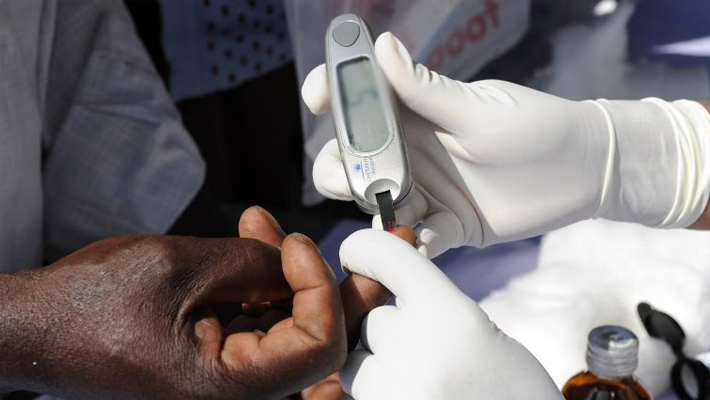
Eight per cent of Nigeria’s population is currently living with diabetes, the National Coordinator of the Non-Communicable Diseases (NCD) Division at the Federal Ministry of Health and Social Welfare, Alayo Sopekan, has disclosed.
He added that 14 per cent of Nigerians are affected by hypertension, while approximately 25 per cent carry the sickle cell gene.
Mr Sopekan made the remarks on Thursday in Mararaba, Nasarawa State, on the sidelines of a workshop on public financing and implementation of the NCD Multi-Sectoral Action Plan. The workshop was organised by the Federal Ministry of Health and Social Welfare, the Legislative Initiative for Sustainable Development, and the Global Health Advocacy Incubator to strengthen the national response to non-communicable diseases.
He said the statistics were drawn from a recent STEP survey on NCD burden and trends, noting that many Nigerians remain unaware of their health status and require routine medical screening.
According to him, Nigeria’s response to non-communicable diseases is constrained by inadequate funding and limited partner support, despite the growing burden compared to communicable diseases, which attract more resources and attention.
While acknowledging government efforts to fund interventions, he stressed that financing remains low. Early detection, prevention, and management, he said, are critical to reducing complications and slowing disease progression nationwide.
Mr Sopekan emphasised that preventive measures such as early screening and health education remain the most effective but require sustained funding. He called for increased allocation from taxes on alcohol, tobacco, and sugar-sweetened beverages.
Alarming mortality figures
Also speaking, Muntasir Liman said non-communicable diseases account for approximately 30 per cent of deaths recorded annually across Nigeria.
Mr Liman noted that a 2023 national survey involving more than 24,000 adults revealed significant gaps in awareness, diagnosis, treatment, and control of conditions such as diabetes, hypertension, and cardiovascular diseases.
“Diabetes prevalence was 4.7 per cent, with low awareness and management: only 24.6 per cent diagnosed, 22 per cent on treatment, and 11 per cent achieved controlled blood glucose levels,” he said.
He added that raised cholesterol affects 14.7 per cent of adults, while 12.1 per cent of those aged 40 to 69 face high cardiovascular risk. Hypertension affects 22.9 per cent of adults, yet only 32.5 per cent are aware, 17.9 per cent are on treatment, and just 6.4 per cent achieve controlled blood pressure.
Mr Liman identified challenges including weak health infrastructure, funding gaps, policy issues, task-sharing constraints, and sociocultural factors. He stressed the need to strengthen primary healthcare and expand workforce capacity nationwide.
“Nigeria needs strong action to prevent these diseases. People need healthier diets, exercise opportunities, and support to quit smoking and reduce alcohol use for improved long-term health outcomes,” he said.
Call for prioritised financing
Alhassan Emmanuel of the Global Health Advocacy Incubator described the NCD trend as alarming. “It is estimated that one-third of deaths are caused by NCDs; this figure used to be one-fifth. This is alarming, and funding for NCDs has remained very challenging,” he said.
He called for prioritisation of public health financing, while Olympus Adebanjo of the Legislative Initiative for Sustainable Development and Marcel Sati urged improved collaboration and innovative funding strategies nationwide.