
The Deputy President of the Senate, Senator Barau I. Jibrin, on Saturday publicly urged support for President Bola Ahmed Tinubu’s re‑election in 2027, describing a second term as necessary to complete a “comprehensive reform agenda” he said is vital for Nigeria’s transformation.
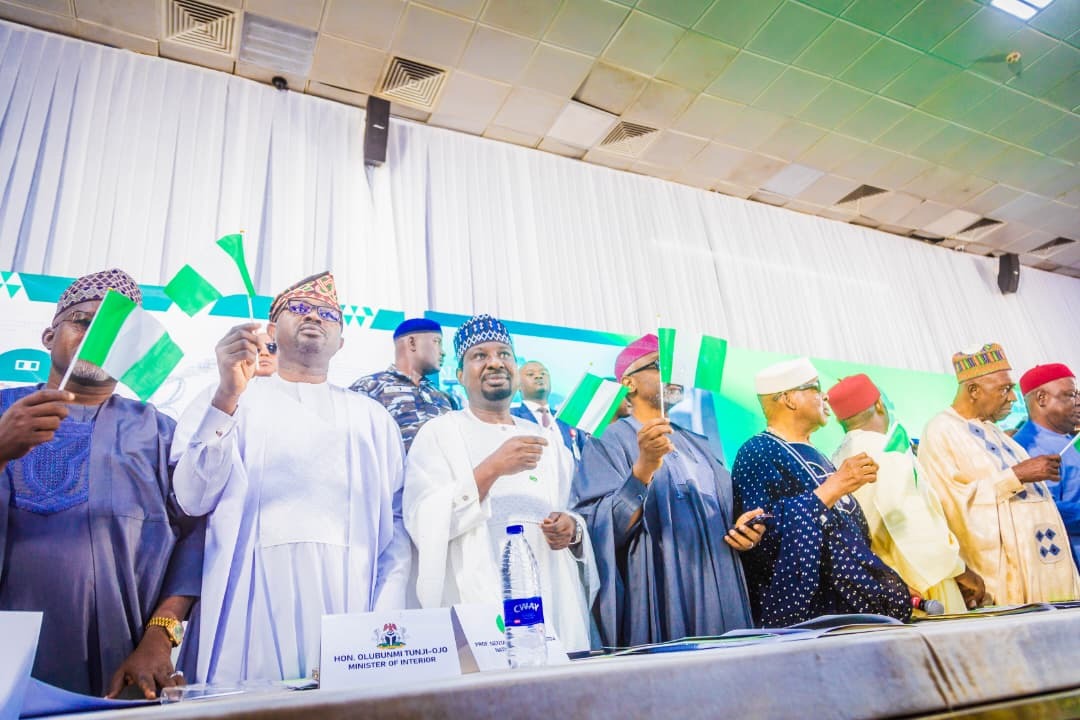
Speaking at the 2026 National Summit of Former Legislators in Abuja, themed “National Unity and Nation Building: Beyond 2031,” Senator Barau framed his appeal as part of a broader consensus among retired parliamentarians and senior statesmen who attended the event. The summit, organised by the National Forum of Former Legislators (NFFL) and convened by the President’s Chief of Staff, Rt. Hon. Femi Gbajabiamila, attracted former Senate presidents, ex‑speakers and other high‑profile former lawmakers.
“The rotational system has brought sanity and equality since the beginning of the Fourth Republic,” Senator Barau said, repeating a refrain made by several speakers. “His Excellency Bola Ahmed Tinubu is in his first term. We shall allow the system to work. President Tinubu should be allowed to do two full terms.”
A statement issued by the senator’s Special Adviser on Media and Publicity, Ismail Mudashir, quoted Barau as stressing the importance of continuity, unity and mentorship across successive administrations. He pledged to forward proposals made at the summit—among them, a suggestion to entrench the principle of rotation in the Constitution—to the National Assembly for consideration.
“I will certainly do that,” Senator Barau told delegates, underlining his intention to table legislative action that would formally recognise rotational arrangements in national governance. He added that the National Assembly leadership “remains open to collaboration with NFFL and similar bodies,” and praised former legislators for their institutional memory and continued contribution to national life.
Support from former leaders
The summit drew prominent ex‑legislators, including former Senate Presidents Pius Anyim and Ken Nnamani, and former Speakers Patricia Eteh and Yakubu Dogara. Delegates reiterated calls for national unity, institutional continuity and the embedding of best practices in democratic governance.
Hon. Raphael Nnanna Igbokwe, National Coordinator of the NFFL, and other senior figures at the event voiced backing for President Tinubu’s continued leadership, arguing that a second term would allow for the uninterrupted execution of policy programmes designed to stabilise and grow the economy, tackle insecurity and expand infrastructure.
In a communique read at the end of the summit, delegates passed a vote of confidence in President Tinubu and endorsed him as the forum’s sole candidate for the 2027 presidential race. The motion to adopt the communique was moved by former Senator Yakubu Hussaini of Kogi State and seconded by Senator Florence Ita Giwa of Cross River.
Rotation, continuity and constitutional reform
A recurring theme at the summit was the principle of geographic rotation in Nigeria’s power-sharing arrangements. Proponents at the event argued that formalising rotation within the Constitution would safeguard equity and prevent arbitrary disruptions to the nation’s delicate political balance.
Senator Barau, who also serves as First Deputy Speaker of the ECOWAS Parliament, said formal recognition of rotation would consolidate the gains of the Fourth Republic by fostering predictability in political transitions. He urged former legislators to use their experience to generate policy ideas and forge partnerships that would strengthen national institutions.
“Former legislators occupy a unique and respected place in our national life,” he said. “Your experience, institutional memory and statesmanship remain invaluable national assets.”
Political context and likely reactions
The public appeal from the Deputy Senate President is likely to deepen debate within and beyond the All Progressives Congress (APC) over succession, party primaries and the broader political timetable ahead of 2027. Supporters argue that continuity at the executive level will help complete long‑term reforms, while critics may view the push as premature or politically motivated.
Analysts note that formal endorsement by a body of emeritus legislators could strengthen President Tinubu’s standing among key constituencies, particularly if the call gains traction within the APC and among allied voices in civil society. However, Nigeria’s competitive political environment means that endorsements do not guarantee electoral outcomes; party primaries, inter‑party negotiations and voter sentiment will determine the eventual field.
Legal and constitutional implications
The proposal to entrench rotation in the Constitution raises legal and political questions. Constitutional amendments in Nigeria require broad legislative support — approval by two‑thirds of the National Assembly and ratification by at least two‑thirds of state assemblies. Any move to write rotation into the supreme law would therefore necessitate sustained cross‑party consensus and careful drafting to avoid unintended consequences.
Senator Barau’s pledge to take the issue to the National Assembly signals an intent to test the political appetite for such reform. Legal experts say debates would likely centre on defining rotation’s scope, duration and enforcement mechanisms.
Calls for national unity and mentorship
Beyond the immediate endorsement, the summit emphasised mentorship, capacity building and the role of veteran lawmakers in nation‑building. Delegates urged former and serving legislators to mentor emerging leaders, support inclusive policymaking and prioritise national unity over partisan interest.
“I congratulate NFFL for successfully convening this National Summit,” Senator Barau said, urging participants to “generate ideas, forge partnerships and reaffirm your commitment to a stronger, more united and more prosperous Nigeria.”
Outlook to 2027
With the 2027 general elections on the horizon, the NFFL’s endorsement and the Deputy Senate President’s public backing for President Tinubu inject a new dimension into the country’s political conversation. Whether the call will translate into formal party support or constitutional change remains uncertain.
For now, the summit has placed rotation, continuity and constitutional reform centre stage, and set in motion a process that could shape Nigeria’s political architecture in the years leading up to 2031. As Senator Barau and other senior figures press for dialogue between past and present office‑holders, the coming months will test the strength of institutional partnerships and the resilience of Nigeria’s democratic norms.
The National Forum of Former Legislators said it will follow up on the summit’s recommendations and present the communique to relevant stakeholders, including the National Assembly and political parties, as part of efforts to influence the national discourse ahead of the 2027 polls.