

The Nigeria Centre for Disease Control and Prevention (NCDC) has announced a concerning increase in confirmed cases of Lassa fever, with a total of 162 deaths reported across 21 states during epidemiological week 35, which covers the period from August 25 to 31.
In its latest update, the NCDC indicated that 10 new confirmed cases were identified in week 35, a significant rise from just three cases recorded the previous week. The new infections were reported in Edo, Ondo, Bauchi, and Taraba states.
To date, Nigeria has seen 7,375 suspected cases and 871 confirmed infections of Lassa fever in 2025, resulting in a case fatality rate (CFR) of 18.6%, which exceeds the 17.1% CFR recorded during the same timeframe in 2024.
The agency identifiedidentified Ondo, Bauchi, Edo, Taraba, and Ebonyi states as the primary hotspots for the disease, which collectively account for 91% of all confirmed cases. Specifically, Ondo contributes 33%, Bauchi 23%, Edo 18%, Taraba 14%, and Ebonyi 3%.
Most of the affected individuals are aged between 21 and 30 years, with a male-to-female ratio of 1:0.8. While the overall number of suspected and confirmed cases is lower than in the previous year, the NCDC cautioned about ongoing risks. Factors such as late case presentations, inadequate health-seeking behavior due to treatment costs, and poor sanitation in heavily impacted communities are contributing to the high mortality rate.
No new infections among healthcare workers were reported in week 35, although a total of 23 healthcare professionals have been affected since the start of the year. In response, the NCDC has dispatched 10 rapid response teams to assist affected states, enhance surveillance measures, and distribute medical supplies, including ribavirin, personal protective equipment (PPE), and sanitizers.
Furthermore, the agency revealed its intention to implement a five-year strategic plan (2025–2029) aimed at controlling Lassa fever.
The NCDC is urging residents, particularly those in high-risk states, to practice good hygiene, improve rodent control, and seek medical attention promptly to mitigate the spread and effects of this disease.
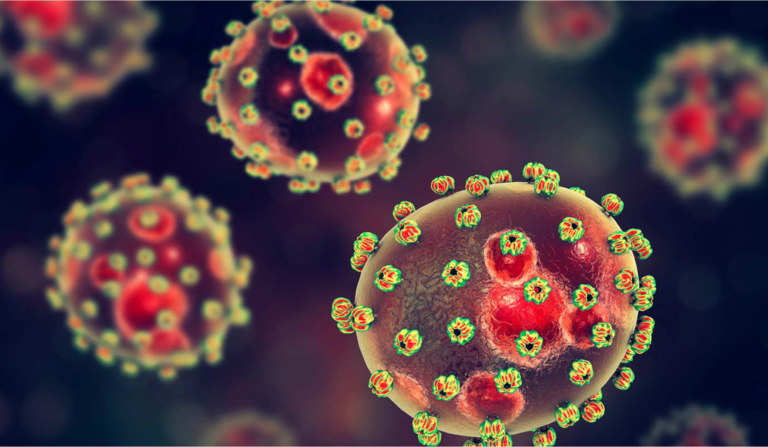
Lassa fever is a viral hemorrhagic illness endemic to Nigeria, primarily transmitted through contact with food or household items contaminated by infected rats. Symptoms include fever, weakness, vomiting, bleeding, and, in severe cases, organ failure. Nigeria bears the highest global burden of this disease, with the majority of cases originating from Ondo, Edo, Bauchi, Taraba, and Ebonyi states. The disease typically peaks during the dry season, from December to April, and exhibits a high fatality rate, especially when patients delay seeking treatment.