
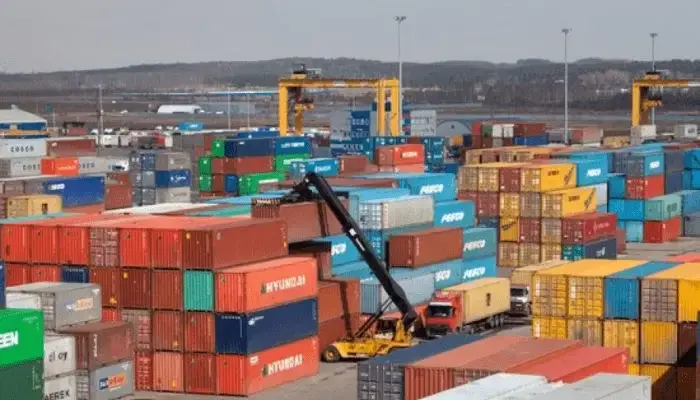
Nigeria’s non-oil exports experienced a significant surge of 19.6% in the first half of 2025, reaching $3.225 billion. This growth has been largely fueled by global demand for commodities such as cocoa, urea/fertilizer, and cashew nuts.
In a report by Elanza News titled “Nigeria’s Global Partnerships: From Agreements to Action,” the Lagos Chamber of Commerce & Industry (LCCI) praised the federal government for the successful outcomes of President Bola Tinubu’s recent diplomatic missions to Brazil and Japan, highlighting the potential for new trade opportunities amid existing global tariff tensions.
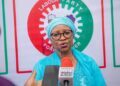
Dr. Chinyere Almona, the director-general of LCCI, remarked, “The rise in Nigeria’s non-oil exports to $3.225 billion, driven by demand for products like cocoa and urea/fertilizer, underscores the importance of maintaining our focus on these positive trends by developing new market routes to potential trade partners. The increase in non-oil exports, from 3.83 million metric tons in the first half of 2024 to 4.04 million metric tons, reflects our enhanced capacity to process these exports and improve our earnings.”
However, Almona cautioned that the decline in export revenues from the United States and the current fluctuations in crude oil prices could present challenges for foreign exchange inflows in the short term, particularly given the critical nature of dollar liquidity. This situation highlights the urgent need for Nigeria to diversify and strengthen its non-oil exports along with intra-African trade.
In response to these challenges, the LCCI urged the government to pursue strategic partnerships to enhance Nigeria’s negotiating power, noting that the recent signing of the Bilateral Air Service Agreement (BASA) with Brazil marks a significant advancement. This agreement is expected to facilitate direct flights between the two countries, potentially expanding export markets, enhancing tourism and cultural exchange, and creating valuable opportunities for Nigerian youth in technical fields such as aircraft maintenance and aerospace engineering.
Almona emphasized that the Nigeria-Brazil BASA should extend beyond air travel to create new pathways for trade, mobility, and job creation. It is crucial to activate this agreement proactively and strategically.
Reflecting on the outcomes of the Tokyo International Conference on African Development (TICAD 9), Almona expressed gratitude for Japan’s $238 million collaborative financing framework aimed at upgrading Nigeria’s national electricity generation infrastructure. She noted that such investments are key to equipping Nigeria’s youth with the vocational and technical skills necessary to succeed in labor-intensive sectors, particularly in partnership with high-manufacturing economies like Japan.
“As Nigeria prioritizes the revitalization of its national grid, it is equally vital to invest in renewable energy infrastructure, promote the adoption of CNG technologies, and foster an environment that encourages both domestic and foreign investors to contribute to sustainable value creation.”