
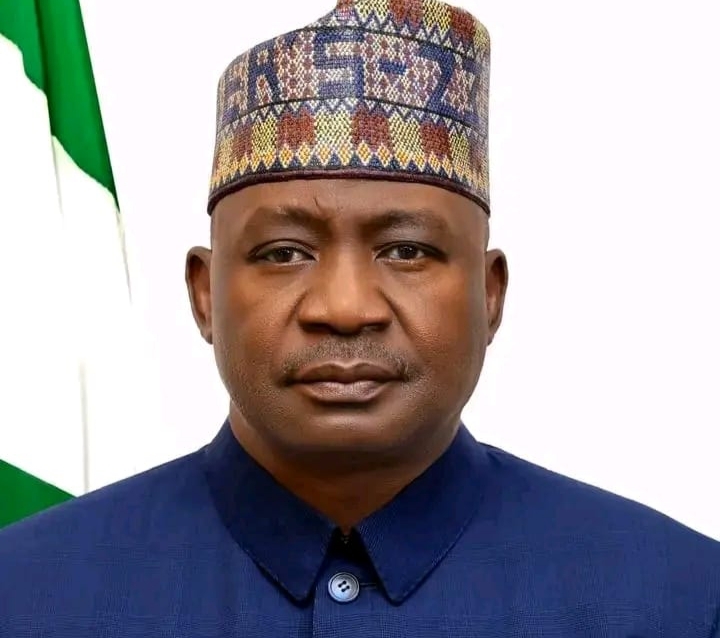
In a recent statement, Nigeria’s Minister of Defence, General Christopher Musa (retd.), has dispelled concerns regarding the nation’s burgeoning security partnership with Türkiye, asserting that it will not jeopardise Nigeria’s longstanding relationship with the United States. This revelation comes amidst ongoing military support from the US as Nigeria navigates its complex geopolitical landscape.
During an interview on Channels Television’s Sunday Politics, General Musa emphasised that Nigeria’s evolving defence agreements with Türkiye are designed to enhance the country’s internal security architecture without compromising its non-aligned stance. This approach facilitates Nigeria’s collaboration with various international partners, ensuring a diversified strategy in addressing national security challenges.
Non-Aligned Strategy: Expanding Partnerships
General Musa articulated Nigeria’s commitment to a non-aligned posture, highlighting the importance of maintaining friendly relations with multiple nations. “Nigeria is now a non-aligned nation, which means we can partner with everybody,” he stated, underscoring the importance of engaging with diverse global powers, including China, Türkiye, and the United States. The General cautioned against the pitfalls of isolating the nation within a single alliance, advocating instead for a broad network of partnerships that reflect Nigeria’s strategic interests.
He pointed to Egypt as a prime example of a country benefiting from such a multi-faceted approach. “You can see in Egypt that they have support from several countries. It is important to keep that leverage so you can continue to move forward,” he remarked.
Enhancing Military Capability Through Collaboration
As part of the new agreements, General Musa confirmed that military equipment and technology from Türkiye will soon be arriving in Nigeria. He stated, “Very soon. Some of them are already ready. We are working on the paperwork now.” This development indicates a significant advancement in Nigeria’s military capabilities, particularly in terms of modern technology and equipment.
The Minister clarified that the agreements extend beyond mere procurement; they also encompass military education, joint training initiatives, and defence industry cooperation. “What we signed is essentially putting pen to paper on our friendship and military cooperation,” he explained. The agreements will facilitate the exchange of officers and training of troops, fostering a collaborative environment for both nations.
A Focus on Defence Production
One of the most promising aspects of the partnership is Nigeria’s interest in adopting Türkiye’s defence production model. General Musa expressed optimism about replicating Türkiye’s success in local manufacturing, stating, “They can come here, produce the same standard equipment they have in Türkiye, transfer the technology, and make it Nigerian-owned.” This aspect of the agreement is poised to bolster Nigeria’s economic independence and technological advancement in the defence sector.
The collaboration is expected to significantly enhance Nigeria’s internal security architecture, improve defence capabilities, and ensure access to cutting-edge military technology. This strategic move aligns with Nigeria’s broader goal of strengthening its military infrastructure in the face of persistent security challenges.
### Bilateral Agreements: A Broader Scope
The partnership with Türkiye also encompasses a range of other sectors, including energy, trade, media, education, and agriculture. During President Bola Tinubu’s state visit to Ankara on January 27, 2026, nine bilateral agreements were signed, aiming to increase bilateral trade from approximately $2 billion to $5 billion. Security cooperation was a focal point of these discussions, highlighting military training, intelligence sharing, and defence technology as pivotal elements of the agreements.
Ongoing US Military Support
Despite these developments, the United States continues to play a crucial role in Nigeria’s security landscape. In mid-January 2026, US authorities delivered military equipment to Abuja, aimed at bolstering counter-terrorism operations across the country. This support followed increased intelligence sharing and joint security engagements, reflecting a commitment to Nigeria’s stability.
The US assistance came in the wake of high-level meetings between American officials and Nigeria’s National Security Adviser, Nuhu Ribadu, aimed at addressing delays in military transfers. This collaboration is particularly significant given the heightened scrutiny on Nigeria under former President Donald Trump, who raised concerns about religious persecution and security failures in the country.
Tensions between the US and Nigeria escalated in late 2025 when the US conducted Tomahawk missile strikes targeting alleged ISIS camps in Sokoto State. In response, Nigerian authorities have consistently maintained their commitment to protecting religious freedom and ensuring national security.
Conclusion: A Balanced Approach to Security
In conclusion, General Musa’s reassurances highlight Nigeria’s strategic intent to cultivate a balanced approach to security through diversified partnerships. By engaging with Türkiye and other global powers while maintaining robust ties with the United States, Nigeria aims to enhance its internal security architecture and address pressing national challenges.
This multifaceted strategy not only seeks to fortify Nigeria’s military capabilities but also positions the nation as a key player in regional security dynamics. As Nigeria navigates this complex geopolitical landscape, the emphasis on non-alignment and collaboration serves as a testament to its commitment to safeguarding national interests while fostering international cooperation.
In an era marked by evolving security threats, Nigeria’s proactive approach may well serve as a model for other nations striving to balance complex relationships on the global stage.