

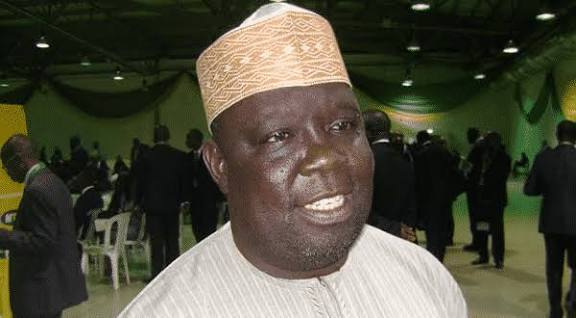
In a recent interview on Channels Television’s Sunrise Daily, former Senate Deputy Majority Leader Bala Na’Allah asserted that the multifaceted challenges confronting Nigeria cannot be solely blamed on its leaders. He emphasised the need for collective responsibility among all Nigerians to address these pressing issues.
Na’Allah remarked, “The biggest problem we have is that every president that comes, after some time, Nigerians will say, ‘We are not satisfied.’” He urged citizens to reflect on the underlying reasons for their dissatisfaction, highlighting that the nation’s troubles require a unified effort rather than finger-pointing at political leaders alone.
The senator elaborated on the notion that many Nigerians overlook systemic issues hindering the effective governance of the country. “There must be something somewhere that is working against the smooth running of the affairs of the Federal Republic of Nigeria, and all of us have decided not to look at it,” he stated. Instead of attributing the nation’s struggles solely to the president, Na’Allah called for a broader examination of the collective roles played by citizens and officials alike.
He stressed the importance of accountability, referencing the oath of office taken by elected officials. “Look at the constitution. How many of them have succeeded in keeping to the spirit of that constitution?” he questioned, urging for a more profound commitment to governance from those in power.
Na’Allah expressed his belief that Nigeria’s Constitution is among the best globally, asserting that the major challenges stem not from the document itself but from its implementation. “Our constitution is one of the best documents you can find anywhere in the world. Our major issue is those charged with the responsibility of implementing the letter and spirit of the constitution,” he said.
The former lawmaker, who represented Kebbi South Senatorial District, also addressed the recent influx of politicians defecting to the ruling All Progressives Congress (APC). While acknowledging the trend, he cautioned that these defections do not guarantee electoral success in the upcoming 2027 general elections.
“The APC has to work to seriously convince the people that whatever they are going through is reasonably necessary for the purpose of positioning the country for a greater future,” Na’Allah stated. He optimistically noted, “No party was formed and came with the best intentions for Nigeria, better than the APC.”
As Nigeria grapples with its myriad challenges, Na’Allah’s call for collective action resonates as a crucial reminder that every citizen has a role to play in shaping the nation’s future. Addressing the nation’s complexities requires not only effective leadership but also an engaged and responsible citizenry committed to the collective good.
In conclusion, as the political landscape shifts with ongoing party realignments, the focus must remain on collaboration and accountability. The future of Nigeria hinges on a united approach to governance, where both leaders and citizens work hand in hand to overcome the challenges ahead.