
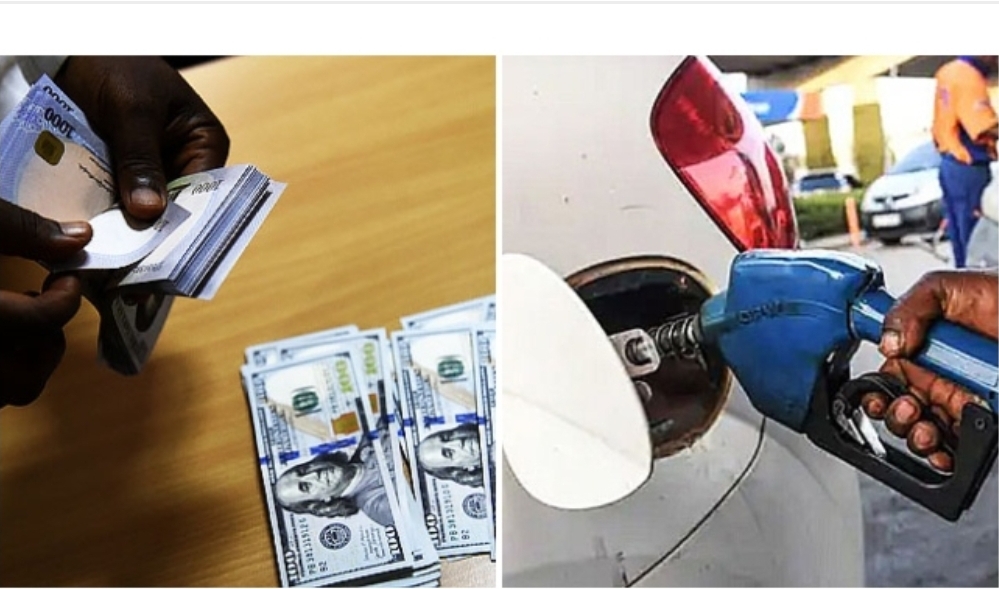
The National Association of Road Transport Owners has attributed the relative stability of the naira to the Federal Government’s removal of fuel subsidy and expansion of domestic refining capacity.
NARTO National President, Yusuf Othman, made the assertion during an interview on Channels Television’s The Morning Brief, explaining that reduced dependence on imported petrol had eased pressure on the country’s foreign exchange market.
“We have all along been clamouring for the removal of subsidies, and it is for the benefit of everybody, including Nigeria,” Othman said.
“Although we are feeling the pain in our pockets, you’ve noticed that the naira has been stable for a long time.”
He added, “One of the reasons for this stability is the withdrawal of the subsidy and local refining, so there is not as much pressure on the demand for dollars.”
The NARTO boss spoke amid renewed debate over the economic consequences of the subsidy removal, particularly its impact on fuel prices, inflation and the cost of living.
The Federal Government removed the subsidy in May 2023, shortly after President Bola Tinubu assumed office.
The decision triggered a sharp increase in petrol prices, with the cost of the commodity rising from about N200 per litre to around N1,300, depending on the location.
While the government has defended the policy as necessary for economic reform, opposition politicians have continued to demand its reversal.
The development of Nigeria’s domestic refining capacity has also emerged as a major factor in the fuel supply debate.
In September 2024, the Dangote refinery began producing petrol, marking a major shift for a country that had for years depended heavily on imported refined petroleum products despite its huge crude oil reserves.
The 650,000-barrel-per-day facility, built by businessman Aliko Dangote, had earlier commenced the production of diesel and aviation fuel in January 2024.
Before the refinery became operational, Nigeria relied heavily on costly petrol imports because of its inadequate refining capacity.
Othman’s position has, however, reignited questions about whether the benefits of the subsidy removal are reaching ordinary Nigerians who continue to grapple with high living costs.
Opposition figures have argued that the policy has worsened economic hardship and fuelled inflation.
The presidential candidate of the African Democratic Congress, Atiku Abubakar, has promised to restore the fuel subsidy if elected President in the January 2027 election.
Peter Obi of the Nigeria Democratic Congress, however, has taken a different position, saying his administration would ensure that funds saved from subsidy removal were judiciously utilised if elected.
But the Federal Government has maintained that there is no going back on the policy.
It argues that reversing the subsidy removal would undermine economic gains recorded over the past three years.
According to the government, the policy has increased revenues available to the Federal, state and local governments, providing them with more resources to fund infrastructure and other responsibilities.
Human rights lawyer, Femi Falana, also said increased government revenues should translate into greater accountability.
Speaking on Channels Television’s Sunday Politics, Falana said Nigerians must now demand transparency from the various levels of government.
“Yes, state governments are getting more money. The Federal Government is getting more money. Local governments are getting more money on paper,” the 68-year-old activist said.
“It is the duty of the Nigerian people now to demand accountability.”