

By Abubakar Yunusa Ojima-ojo
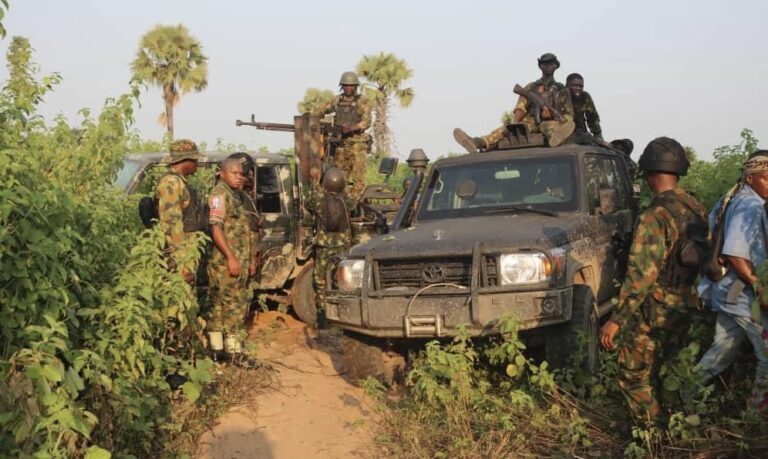
The Northern Youth Empowerment and Enlightenment Forum has urged the Federal Government to treat Nigeria’s insecurity as a national economic emergency, warning that the crisis is worsening poverty, unemployment and food shortages across the country.
The forum made the call in a communiqué issued at the end of its 3rd Annual Roundtable Discussion held on January 24, 2026.
The communiqué was signed by the Secretary of its Security Committee, Comrade Salihu Dantata.
The event was chaired by Emeritus Professor Khalifa Ali Dikwa and held in honour of the late Alhaji Suleiman Abubakar Uban Doman Gudu.
According to the communiqué, participants unanimously agreed that insecurity had reached alarming levels and required urgent economic and security responses.
It stated, “The Roundtable unanimously agreed that insecurity should be treated as a national economic emergency. Participants emphasised the need for enhanced collaboration among federal, state and community-based security structures, and highlighted the crucial role of traditional institutions in intelligence gathering and conflict prevention.”
The forum expressed concern that insecurity had crippled agricultural production, noting that many farmers could no longer access their farmlands due to banditry and attacks.
It warned that the development had significantly reduced food production and worsened food insecurity across Nigeria.
Participants therefore called for urgent government intervention to secure rural communities and enable farmers to return to their farms.
The forum also raised the alarm over rising youth unemployment, describing it as a major driver of criminal activities and social vices.
It stressed that youth empowerment, skills acquisition and job creation remained critical to tackling insecurity.
The communiqué added that expanding economic opportunities would help reduce poverty and vulnerability among young people.
On strategies to address insecurity, the forum recommended a holistic and coordinated approach, including strengthening community-based intelligence and early warning systems.
It also called for expanded youth entrepreneurship programmes, promotion of education and civic orientation to counter radicalisation, and strict adherence to the rule of law.
The forum further urged improved collaboration among federal, state and community actors in national security planning.
The roundtable also expressed concern over reported discrimination and violence against Northerners living in parts of Southern Nigeria.
Participants reaffirmed that all Nigerians had constitutional rights to reside and work in any part of the country without fear of intimidation or harassment.
They identified stereotyping, misinformation, political manipulation, weak inter-regional engagement and poor law enforcement as major drivers of regional tension.
To address the challenges, the forum called for renewed national dialogue and civic education to promote unity and peaceful coexistence.
It recommended strengthening legal protections for citizens, promoting inter-regional economic cooperation, supporting responsible media engagement and empowering youths as ambassadors of peace.
The communiqué also advocated institutionalising inter-regional consultations, encouraging cultural exchanges and trade partnerships, and discouraging ethnic profiling and misinformation.
The forum urged decisive government action against threats to national unity and called for greater youth participation in leadership and peacebuilding initiatives.
NYEEF reaffirmed its commitment to peace advocacy, youth development, community engagement and national unity.
It appealed to governments at all levels, traditional and religious leaders, civil society organisations, the media and Nigerian youths to collaborate towards building a secure and united nation.
Participants warned that insecurity remained one of the gravest threats to the economic and social stability of Northern Nigeria, citing banditry, kidnapping, insurgency, farmer-herder clashes and communal conflicts as key challenges.
They noted that the crisis had led to declining agricultural productivity, mass displacement of communities, destruction of infrastructure, loss of investments, rising unemployment and a deepening humanitarian crisis.