
By Nasiru Jagaba
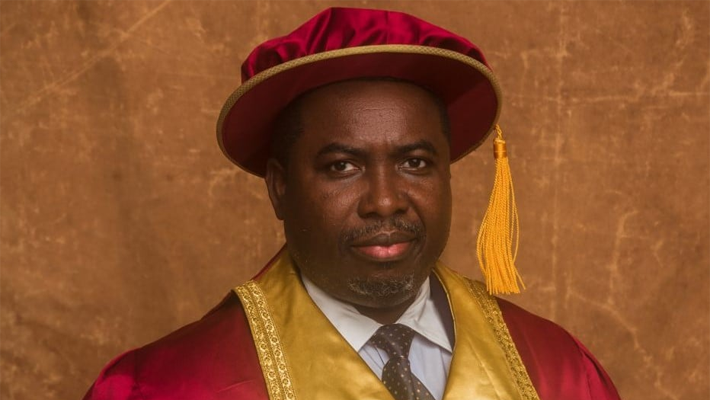
The recent intervention by the Supreme Council for Shari’ah in Nigeria (SCSN) regarding the appointment of Professor Joash Ojo Amupitan as Chairman of the Independent National Electoral Commission (INEC) has sparked significant concern and demands for international scrutiny. The Council’s open criticism, which includes a threat to disregard any elections conducted under his leadership, raises critical questions about the foundations of democracy and institutional integrity in Nigeria.
## An Unjustified Critique
The SCSN’s objections are not based on established corruption or electoral malpractice but stem from two concerning assertions: Professor Amupitan’s identity as a Northern Christian and his vocal awareness of the persecution faced by Christians in Northern Nigeria. This rejection is not a defence of democracy; rather, it represents a form of religious exclusion that undermines the democratic process.
For an institution that has historically failed to address extremism and discrimination within its own ranks, the SCSN’s stance is both ironic and damaging. This is a call to action for human rights organisations, foreign missions, and democracy advocates to scrutinise the motives behind such statements.
## The INEC Chairman as a Target
The SCSN’s declaration that it will not recognise elections overseen by Professor Amupitan raises an essential question: Is the issue his integrity, or is it his Christian faith? The implication is clear: acknowledging the suffering of Christians in Northern Nigeria becomes a disqualifying factor for public office.
This stance conflicts with Nigeria’s constitutional secularism, undermines equal citizenship, and violates international human rights standards. The integrity of democratic institutions should not be contingent upon religious identity.
## Unanswered Questions
If the SCSN genuinely cares about statements that could incite religious conflict, its selective silence on similar issues is telling. Why was there no condemnation when the late President Muhammadu Buhari urged Muslim voters to support only Muslim candidates? Such rhetoric promotes sectarian voting, exacerbates religious divisions, and threatens national unity. Yet, the SCSN remained silent.
The SCSN also failed to react to controversial statements made by Nasir El-Rufai, Governor of Kaduna State, that insulted Christian beliefs. The absence of a response raises questions about the Council’s commitment to integrity and accountability.
## A Pattern of Selective Morality
While the SCSN claims to uphold democratic principles and national cohesion, its history of silence concerning the marginalisation of Northern Christians betrays a pattern of selective outrage. Northern Christians have acted in good faith within Nigeria’s fragile pluralism, yet they face systemic discrimination and hostility.
Historical context reveals that Northern Christians have often prioritised regional solidarity over religious identity. However, they are met with structural exclusion and political suspicion, creating a climate of fear and unrest.
## Documented Discrimination
In Northern Nigeria, Christians frequently encounter discrimination in various sectors, including infrastructure development, education, and public service recruitment. When a Northern Christian is appointed to a significant position, it often triggers backlash from sections of Northern Muslim leadership based solely on religious identity, not competence.
Such hostility undermines Nigeria’s constitutional provisions and international human rights norms, which demand equality and non-discrimination.
## Silence Amidst Atrocities
While the SCSN now speaks out against the INEC Chairman, it has been conspicuously silent on grave human rights abuses, including the abduction of Leah Sharibu, the lynching of Deborah Yakubu, and other atrocities against Christians. This silence only serves to embolden extremists and perpetuate cycles of violence.
## Confronting Extremism
If the SCSN is serious about national stability, it must confront religious extremism and hate speech, address terrorism, and hold leaders accountable for the underdevelopment of Northern communities. Targeting an INEC Chairman does not contribute to these critical issues.
## The Need for Inclusive Justice
Justice cannot be selective. Human rights are indivisible. Denying the suffering of Christians only fuels instability rather than fostering peace. The international community must take note of Nigeria’s crisis, which is rooted in institutionalised religious inequality.
## A Call to Action
Northern Christians are not adversaries of Islam or the North; they are citizens entitled to equal rights. The SCSN’s refusal to acknowledge the plight of Northern Christians raises serious concerns about moral consistency and the politicisation of religious advocacy.
The Council’s previous silence on the suffering of Northern Muslims during Buhari’s administration further complicates its credibility. The recent outcry appears to be motivated by political shifts rather than genuine concern for democratic integrity.
## Conclusion
In light of these developments, it is imperative for the international community to scrutinise the actions of religious institutions that legitimise exclusion and foster division. The call for accountability and moral integrity must resonate across all levels of society to ensure that the rights of every citizen—regardless of faith—are upheld.
As Nigeria navigates these challenging times, it is vital for all stakeholders to engage in constructive dialogue that fosters understanding, respect, and ultimately, a more harmonious society. The future of democracy in Nigeria depends on it.