

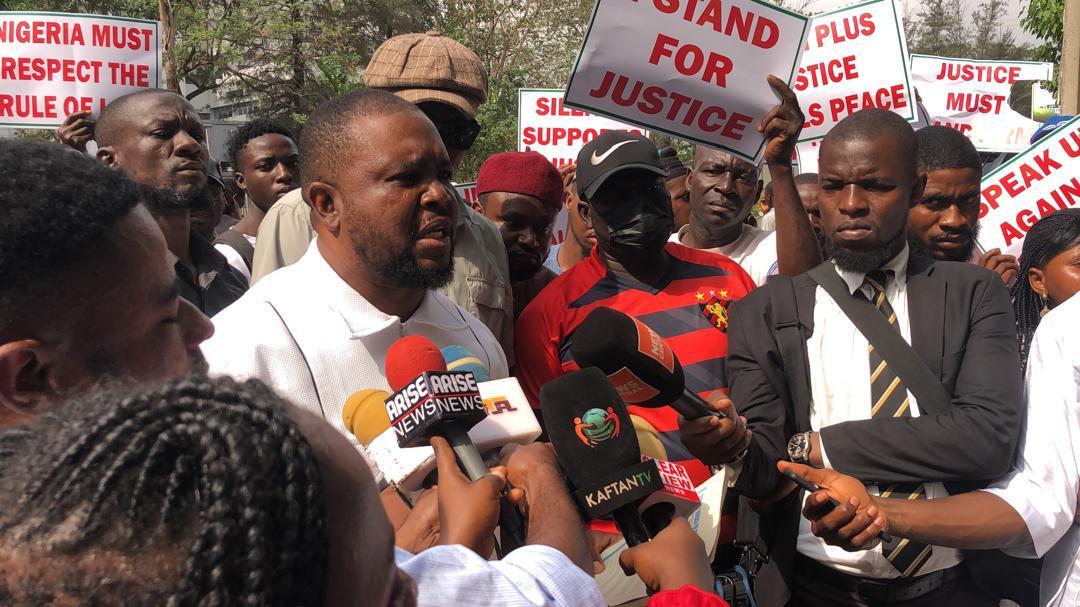
In a significant development in the ongoing N10 billion fraud trial involving Kogi State’s Chief of Staff, Ali Bello, civil society organisations have united in a call for a comprehensive investigation into allegations of tampering with crucial court exhibits. This petition was officially submitted to key law enforcement and judicial bodies, demanding accountability and transparency in the judicial process.
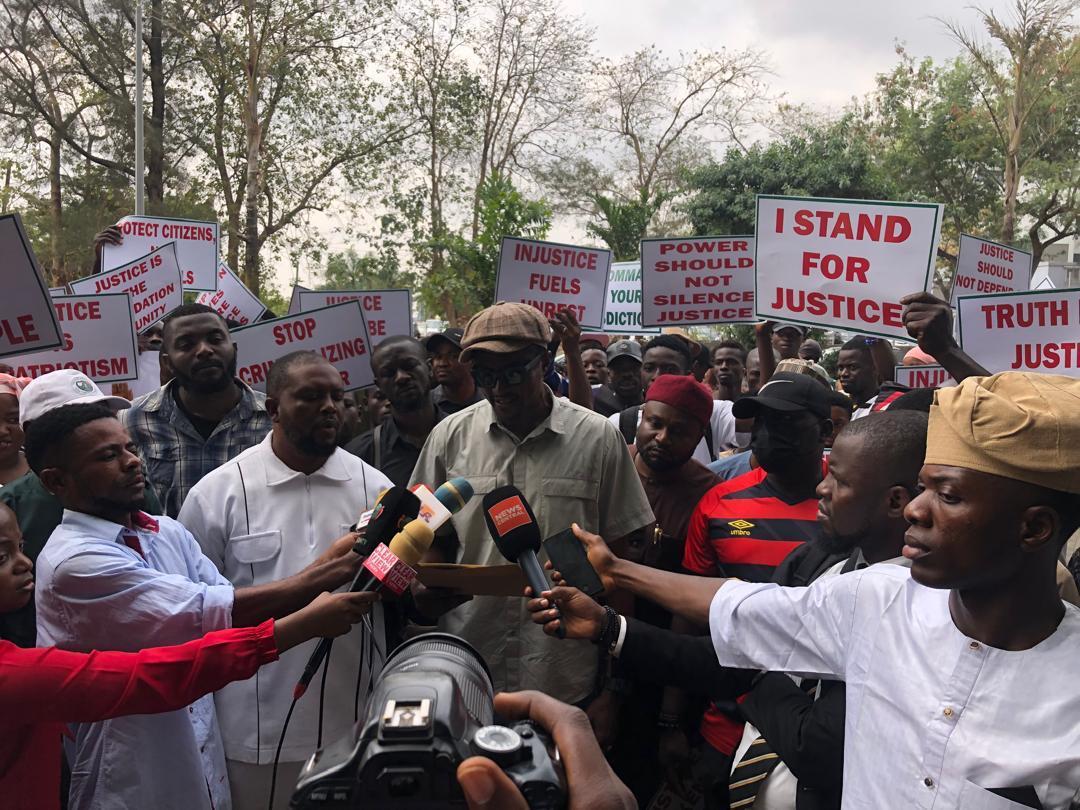
The Community Outreach for Development and Welfare Advocacy (CODWA), alongside various other organisations, presented the petition in Abuja, addressed to influential bodies including the Inspector-General of Police, the Department of State Services (DSS), the Commissioner of Police for the FCT Command, the National Judicial Council (NJC), and the Economic and Financial Crimes Commission (EFCC).
This collective action follows a directive issued on 5 February 2026 by Justice J.K. Omotosho of the Federal High Court in Maitama. Justice Omotosho has instructed the Nigeria Police Force and the DSS to investigate serious allegations regarding the manipulation of key court exhibits, specifically those marked N and O. The judge revealed that the court registrar, Nasiru Onimisi Zubairu, allegedly confessed to being approached by the second defendant, Daudu Sulaiman, who requested the use of a code to erase essential WhatsApp messages from a mobile device submitted as evidence.
Ambassador Comrade Kelvin Akerele, the National Coordinator of the Coalition of Youths Advocacy for Good Governance, addressed journalists following the submission of the petition. He underscored the gravity of the allegations, asserting that they pose a significant threat to public confidence in Nigeria’s justice system.
“Matters touching on the sanctity of court records go to the very heart of the administration of justice. Any compromise in this regard undermines public trust and the integrity of our institutions,” Akerele stated emphatically. He urged the Inspector-General of Police and other involved agencies to approach this matter with the utmost seriousness and diligence.
“We sincerely urge that this investigation is pursued to its logical conclusion and not allowed to be swept under the carpet,” he added, highlighting the importance of accountability in such critical matters.
Hon. Onogu Collins, the National President of the Arewa Grassroot Leaders Assembly, also condemned the attempts to tarnish Kogi State’s reputation through these allegations. He firmly asserted that anyone found culpable must face appropriate consequences.
“People who bring a bad image to Kogi State must be used as scapegoats so that others can learn. Nigeria is an institution where such acts must not go unpunished,” Collins proclaimed. He elaborated on the rationale behind petitioning multiple agencies, emphasising that the integrity of court exhibits is fundamental to justice and the rule of law.
“We are submitting this petition to the IGP, DSS, EFCC, the NJC, and the Commissioner of Police, FCT Command because matters affecting court exhibits strike at the core of justice and the rule of law,” Collins stressed, reinforcing the demand for accountability across the board.
The groups also reminded the Nigeria Police of its constitutional obligation to enforce court directives and protect judicial processes. The petition asserted, “The Nigerian Police is statutorily tasked with the responsibility to enforce court orders to promote justice and the rule of law. We believe the police are equal to this task.”
The organisations expressed their confidence that a transparent investigation would not only restore public faith in the judiciary but also serve as a deterrent against future interference with court exhibits. They emphasised the need for a judicial system free from corruption and manipulation, highlighting that the integrity of the legal framework is vital for the functioning of a democratic society.
As the case unfolds, the eyes of the nation will be on Kogi State, where the actions taken in response to these allegations could set a precedent for the handling of similar cases in the future. The petitioners remain hopeful that their collective voice will prompt action from the relevant authorities, ultimately leading to justice being served.
In light of these serious allegations and the potential implications for the integrity of the judicial system, the public awaits a response from the agencies involved. The outcome of this investigation could either restore faith in the Kogi State judicial process or further erode public trust if not handled with the seriousness it warrants.
The situation in Kogi State serves as a reminder of the ongoing challenges faced by Nigeria’s justice system. As civil society organisations continue to advocate for accountability and transparency, the pressure mounts on law enforcement and judicial authorities to respond decisively to these allegations. The need for a robust and impartial investigation is critical, not only for the sake of those involved in the case but also for the broader implications for justice in Nigeria.
In conclusion, the call for justice in the Kogi N10 billion fraud trial highlights the essential role of civil society in holding the powerful accountable. As these organisations push for a thorough investigation, they underline the importance of preserving the integrity of the judicial process and safeguarding the principles of justice that underpin democracy. The resolution of this case will be closely monitored, serving as a litmus test for the effectiveness and transparency of Nigeria’s legal and judicial institutions.