

The federal government is aiming to raise N150 billion to finance vaccine procurement for 2025 and 2026 as part of renewed efforts to strengthen immunisation and improve health outcomes.
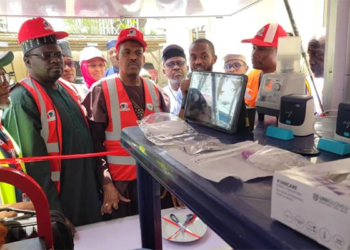
Minister of Finance and Coordinating Minister of the Economy Wale Edun made this announcement on Wednesday at the 2025 Joint Annual Review (JAR) held in Abuja, themed “All Hands, One Mission.”
The JAR, conducted under the Sector-Wide Approach (SWAp), gathers federal and state governments, development partners, civil society organisations, and experts to assess performance and plan interventions for better healthcare delivery.
Mr Edun noted that the Basic Health Care Provision Fund (BHCPF) has increased from N31.5 billion in 2024 to nearly N299 billion for 2025 and 2026, while the total health budget has risen by almost 60 per cent.
He highlighted that health now constitutes more than five per cent of the national budget, up from just over three per cent previously, reflecting a renewed prioritisation of the sector under current reforms.
“The allocation is substantial, and although gaps remain between appropriation and release, we are committed to addressing them to ensure that essential vaccines and health services reach all Nigerians,” Mr Edun stated.
He also emphasised the Ward-Based Development Programme, which directs resources to all 8,809 wards across Nigeria’s 774 local government areas to empower health workers and strengthen community health systems.
Mr Edun underscored the necessity of maximising domestic resource mobilisation, noting the decline in global multilateral funding, and urged states to increase health and education spending to complement federal initiatives.
Coordinating Minister of Health and Social Welfare Muhammad Pate remarked that Nigeria is working to reduce its reliance on foreign aid and to promote local production of medicines, vaccines, and other essential health technologies.
He indicated that the government aims to enhance state and local investments in health, education, water, sanitation, and nutrition through the president’s ward-based development approach for community upliftment.
Mr Pate mentioned that innovative financing options under consideration include taxes on sugar-sweetened beverages, public-private partnerships, and digital tools to promote transparency and accountability in managing national health funds.
“By combining domestic resources, local engagement, and measurable outcomes, Nigeria is building a resilient, inclusive, and responsive health system that truly serves its people,” the minister asserted.
He reported tangible progress in the sector, citing a 17 per cent reduction in maternal deaths, a 12 per cent decrease in newborn deaths, and a 33 per cent increase in skilled birth attendance.
“More than 4,000 free caesarean sections have been performed in NHIA-empanelled facilities, while primary healthcare utilisation rose from 10 million visits in early 2024 to 45 million in mid-2025.
“Nearly half of women of reproductive age now use modern contraception, and vaccination coverage for measles, rubella, and HPV has met or surpassed national targets,” Mr Pate added.
He noted that all 36 states and the Federal Capital Territory (FCT) have operational health plans aligned with the National Health Sector Strategic Blueprint, while 72 per cent of states now manage non-communicable disease programmes.
Mr Pate highlighted increasing citizen participation, with surveys indicating that nearly half of Nigerians believe the government considers their views in health decision-making, while patient satisfaction stands at 74 per cent nationwide.
The event also featured the signing of an updated Health Sector Renewal Compact, which expands participation to private sector representatives, local governments, civil society, and faith-based institutions.
The three-day review includes sessions on funding gaps, immunisation, primary healthcare, and innovation, as Nigeria consolidates recent gains and sustains momentum toward universal, equitable healthcare delivery.