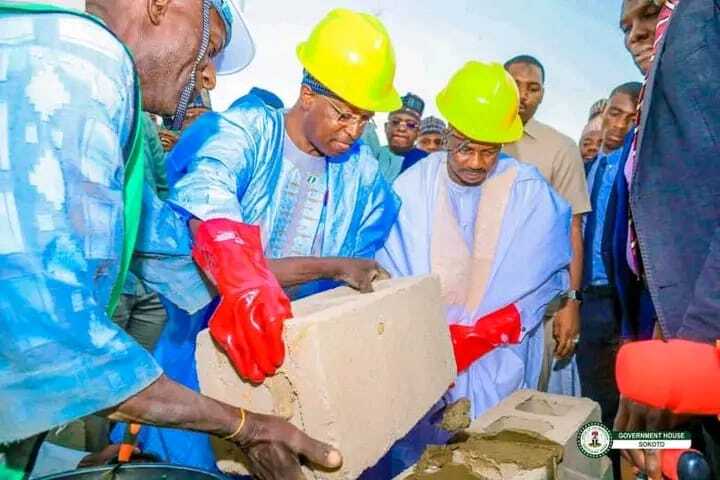
By Ankeli Emmanuel, Sokoto
The Minister of Livestock Development, Idi Mukhtar Maiha, after laying foundation for livestock dervice in Sokoto also commisioned an artificial insemination and breed multiplication center.
Speaking Thursday after the epoch making event, Idi Mukhtar affirmed that transforming the country’s livestock sector and empowering rural communities is crucial to having a sustained economy.
While noting that efforts towards mordenizing livestock businesses will help enhance productivity, and expand the livestock value chain, the minister added that the, “centre will serve as a hub for veterinary care, livestock training, breed improvement services, and youth empowerment as well as provide vital support to pastoralists and farmers in the region.
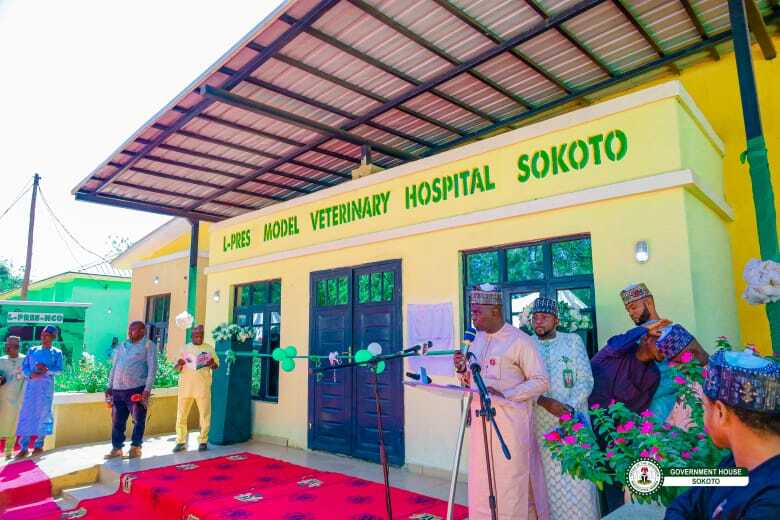
According to Mukhtar, government’s broader efforts to reposition the livestock subsector, align projects with national development plans, and create economic opportunities for rural communities.
He reiterated the Ministry’s ambition to integrate such service centres into a nationwide network that supports commercial livestock systems, combats animal diseases, and fosters sustainable agricultural growth.
The Minister expressed gratitude to the World Bank for their support for the project, saying, “We are grateful for the World Bank’s support for the Livestock Development Programme.
He further reassured commitment to continued partnership with the World Bank and other development partners to promote the development of the livestock sector in Nigeria.”
Earlier, the National Coordinator of Livestock Development Programme, Dr. Muhammad Sanusi, commended the Minister for his vision and leadership in driving the livestock development agenda in Nigeria.
Welcoming the intervention, Sokoto State Governor, Ahmad Aliyu said the Livestock Development Service Centre will not only complement the state-led agricultural reforms, boost food security and create jobs for the nation’s teeming youths through participation in agribusiness across Sokoto communities.
The Governor also highlighted the state government’s efforts to tackle banditry, which has been a major challenge to livestock production in the state.
Expressing their gratitude to the development, livestock rearers and community representatives reaffirmed that the centre will facilitate access to essential services, improve livestock health outcomes, and open new economic avenues for smallholder farmers.