

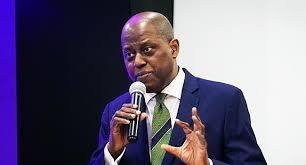
The House of Representatives has called upon Olayemi Cardoso, the Governor of the Central Bank of Nigeria (CBN), to provide an explanation regarding allegations of arbitrary and excessive fees imposed by commercial banks on customers throughout Nigeria.
This action follows a motion put forth by Hon. Muktar Shagaya, the representative for the Ilorin West/Asa Federal Constituency, during a recent plenary session.
In his address, Shagaya expressed concern over the increasing number of complaints from Nigerians about ongoing and ambiguous deductions from their bank accounts, despite existing CBN regulations designed to regulate such charges.
He highlighted that citizens face multiple fees, including SMS alerts, card and account maintenance, interbank transfers, stamp duties, and other charges that are either duplicated or lack clear justification.
Shagaya remarked, “While banks are expected to provide financial services at reasonable rates, numerous customers frequently encounter repeated and unwarranted deductions, which clearly contravene CBN regulations aimed at preventing such behaviors.”
He further warned that continued exploitation of customers by banks could undermine public trust in the banking system, hinder financial inclusion, and jeopardize the CBN’s overarching goal of enhancing access to financial services.
The House has also urged the CBN to publish a comprehensive and user-friendly list of all officially sanctioned bank charges and to rigorously enforce penalties against banks that breach these regulations.
Additionally, it has called on the CBN to establish a transparent, accessible, and effective mechanism to address customer complaints regarding unlawful or excessive charges.
Lawmakers have directed the Federal Competition and Consumer Protection Commission (FCCPC) and other relevant agencies to initiate a nationwide public awareness campaign to educate consumers about their rights concerning bank fees.
Moreover, they have instructed the Committee on Banking Regulations to summon the CBN Governor and leaders of major commercial banks for an investigative hearing, with findings to be reported within four weeks to facilitate further legislative actions.