
By Nahum Sule, Jalingo
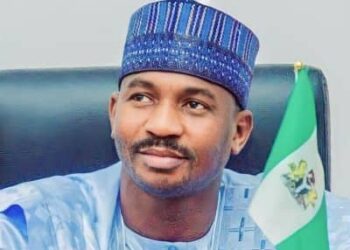
A former member of the House of Representatives, Hon. Danjuma Usman Shiddi, popularly known as Danji SS, is drawing renewed public attention as political activities ahead of the 2027 general elections slowly gather momentum in Taraba State.
Shiddi, who previously represented the Wukari/Ibi Federal Constituency in the 8th and 9th National Assembly, is widely regarded by his supporters as a pragmatic politician with a track record in rural development, social welfare, and youth-focused initiatives. During his time in parliament, he facilitated constituency projects ranging from education support to community-level infrastructure.
Born in Wukari and an alumnus of Bayero University, Kano, Shiddi began his career in the State Security Service before venturing into politics under the All Progressives Grand Alliance (APGA). He served as chief detail to former Nasarawa State governor, Aliyu Akwe Doma, and later rose to senior positions within the security service.
Political observers credit the former lawmaker with a leadership style rooted in consultation and community engagement. His aides describe him as accessible and responsive, while some community stakeholders in Ibi and Wukari say he consistently prioritised public interest over party considerations.
In recent months, Shiddi publicly criticised the Taraba State Government over rising debts and what he described as insufficient development outcomes. He communicated these concerns through open letters to Governor Agbu Kefas, arguing that citizens deserved greater accountability and clearer justification for increased borrowing. His stance, supporters say, reflects his long-standing belief in robust democratic opposition and transparent governance.
Shiddi has also maintained alliances with political figures and groups advocating competitive multi-party democracy, including elements within the Action Democratic Congress (ADC) and like-minded national actors. Although he has not formally declared his intention for 2027, political analysts believe he may pursue a senatorial or gubernatorial bid under the ADC platform.
They argue that his influence is likely to remain significant in debates over development, governance, and representation as Taraba State navigates its political future.