The Kimpact Development Initiative has called on the National Assembly to urgently implement wide-ranging electoral reforms to boost youth participation and rebuild public confidence in Nigeria’s democratic process.
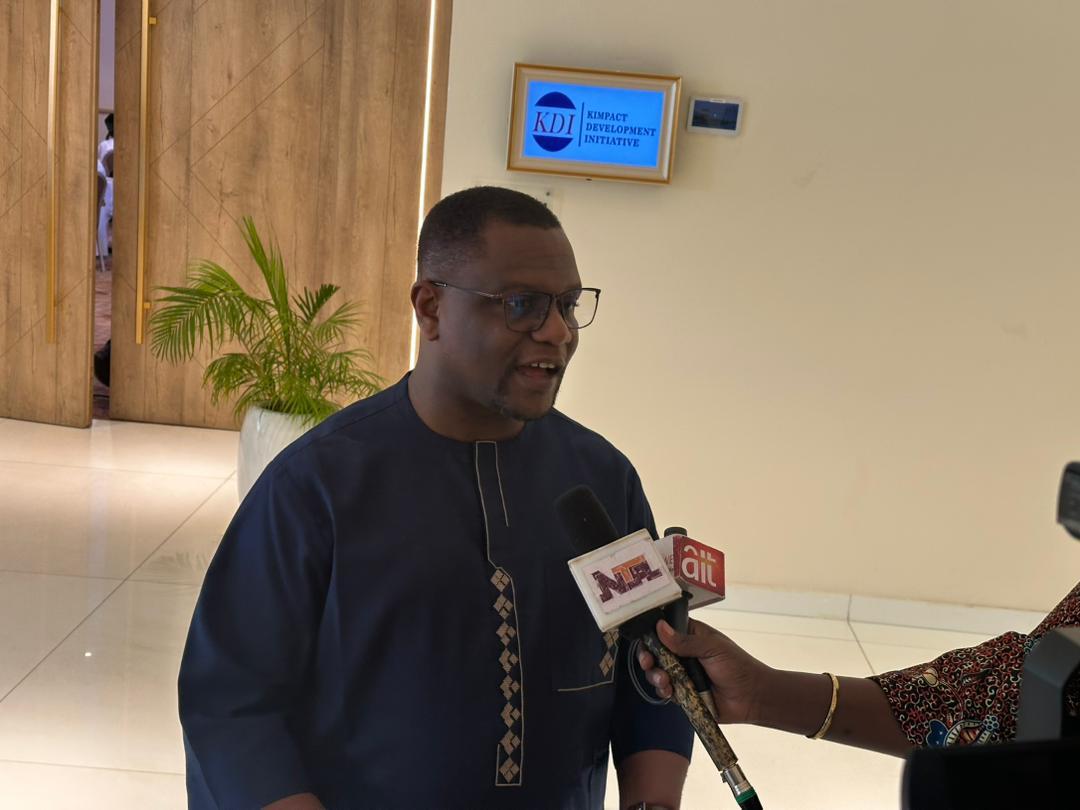
Speaking during the Youths and National Assembly Dialogue on the Youth Electoral Reform Agenda in Abuja on Tuesday, the organisation’s Team Lead, Bokula Idowu, said KDI was engaging lawmakers on key reforms to strengthen electoral integrity and encourage young Nigerians to take part in politics.
Idowu identified three priority areas, chief among them the punishment of electoral offenders.
He said past elections had been characterised by violence, intimidation, vote-rigging and other irregularities, adding that the 2023 general election left many young voters disillusioned despite their mass turnout.
“Although serious irregularities were recorded, no one has been properly held accountable for major offences. This culture of impunity discourages participation, particularly among young people,” he said.
He urged the National Assembly to ensure the passage and full implementation of the Electoral Offences Commission Bill to guarantee investigations and prosecution of perpetrators.
The second reform, according to him, is firm legislative backing for the use of election technology, especially the electronic transmission of results.
“Youth are driven by technology. If we truly want to engage them, our electoral process must be transparent, credible and technology-driven,” Idowu said.
He advocated clear legal provisions for electronic result transmission, secure server backups and other digital processes to make elections verifiable by the public.
He said credible technology and firm accountability would boost youth confidence and strengthen democracy.
“These are the reforms we are presenting to the National Assembly today,” he added.
Also speaking, the Canadian High Commissioner to Nigeria, Pasquale Salvagio, said credible, inclusive and transparent elections were fundamental to democratic governance.
He commended the dialogue as a significant step towards strengthening Nigeria’s democracy by ensuring youths were actively involved in shaping reforms that promote accountability and public trust.
Salvagio noted that through the Canada Fund for Local Initiatives, Canada had supported organisations, including KDI, advancing democratic governance, civic participation and human rights in Nigeria.
“We are proud to collaborate with Nigerian stakeholders to promote reforms that empower citizens and uphold fairness, transparency and inclusivity,” he said.
He praised the National Assembly for providing a platform for constructive engagement and lauded Nigerian youths for their commitment to democratic ideals, reaffirming Canada’s continued partnership with Nigeria.
Similarly, the Chairman of the Young Parliamentary Forum, Hon. Olamijuwonla-Akala, expressed strong support for reforms allowing the immediate electronic transmission of election results.
He said such measures were vital to preventing result manipulation between polling units and collation centres and improving public confidence.
“Although the issue is still before the National Assembly, from my personal standpoint, I support immediate result transmission so there will be no tampering, no alteration and no misrepresentation,” he said.
Akala stressed that lawmakers remained committed to reforms that would enhance youth participation in governance.
He disclosed that several bills and constitutional amendments were being pushed to address barriers preventing young people from contesting elections.
One of the major challenges, he said, is the high cost of nomination forms by political parties.
“I paid about ₦5m for a nomination form during the last election. This is beyond the reach of most young Nigerians,” he stated.
He revealed that efforts were ongoing to secure fee reductions or waivers, particularly for young people and women, noting that while concessions existed for some women, young men remained largely excluded.
Akala also said a colleague was sponsoring a bill on independent candidacy, allowing aspirants to contest outside party structures.
“This will give more Nigerians the opportunity to participate without the limitations of party politics,” he said.
He concluded by reaffirming the commitment of the National Assembly to inclusive legislation that would empower Nigerian youths to fully participate in the nation’s democratic process.