
By A. A. Mshelia, Public Affairs Analyst from Abuja
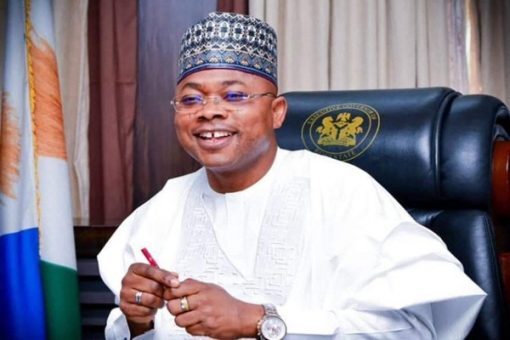
Since assuming office on January 27, 2024, Governor Ahmed Usman Ododo has steered Kogi State through a season of visible transformation. His leadership has been marked by strategic infrastructure renewal, investments in education and healthcare, and a forward-looking vision anchored on a 32-year State Development Plan. Within less than two years, Ododo has begun to redefine governance in the Confluence State, translating promises into tangible progress across sectors.
One of the most striking aspects of the Ododo administration is its aggressive pursuit of infrastructure development, particularly in roads and rural access. From Lokoja to Okene and across the local government areas, major rehabilitation and construction projects are underway. These include rural access roads that link farmlands to local markets — a deliberate effort to ease agricultural logistics and stimulate the local economy.
Under Ododo, Kogi has been described as a “massive construction site,” with several ongoing road projects. His approach focuses on not only constructing new roads but also reviving long-abandoned ones, aiming to reduce travel time and open up communities previously cut off from trade and essential services.
Governor Ododo’s philosophy of leadership places strong emphasis on education as the foundation of long-term progress. His administration disbursed over ₦316 million in bursaries to more than 8,700 students across tertiary institutions in 2024 — a clear step toward reducing financial barriers and promoting equal access to learning.
Beyond bursaries, the government has embarked on the renovation of school buildings, establishment of new model secondary schools, and improvement of infrastructure at tertiary institutions. A major highlight was the upgrade of the Reference Hospital in Okene into the Teaching Hospital for the Confluence University of Science and Technology (CUSTECH), creating opportunities for medical training and research.
This move signifies a major leap in bridging healthcare and education, ensuring that students can learn and practice within the state while improving healthcare delivery for residents.
The healthcare sector has seen significant attention under Governor Ododo. His administration has initiated the renovation and equipping of hundreds of primary healthcare centres across the state, with a special focus on maternal and child health. The government’s goal is to ensure that every community, no matter how remote, has access to functional healthcare services.
With the establishment of the CUSTECH Teaching Hospital, the state now has a stronger base for training medical personnel and addressing the shortage of qualified healthcare workers. Ododo’s focus on preventive care, coupled with improved facilities, reflects his belief that a healthy population is key to sustainable development.
Perhaps the most visionary step so far is the introduction of the 32-Year State Development Plan (2024–2056) — a comprehensive roadmap designed to guide the state’s growth across multiple administrations. The plan seeks to institutionalize continuity in governance and ensure that Kogi’s economic, infrastructural, and social development follows a consistent pattern irrespective of political transitions.
The plan emphasizes diversification, industrialization, human capital development, and sustainable urban-rural integration. By setting a long-term framework, Governor Ododo aims to move Kogi away from short-term, election-driven policies toward enduring strategic development.
Recognizing the limitations of state resources, Ododo’s administration has prioritized partnerships with federal agencies, private investors, and international development partners. These collaborations have been instrumental in attracting support for rural infrastructure, agricultural development, and education reform.
The state’s partnership approach is gradually positioning Kogi as a credible investment destination, particularly in solid minerals, agriculture, and logistics.
Governor Ododo’s leadership style is marked by visibility, presence, and accountability. He is known for his frequent site inspections, impromptu community visits, and open communication with citizens. Whether it’s the commissioning of a road, a school block, or a healthcare facility, the governor’s personal involvement has become a hallmark of his governance.
This hands-on approach has earned him commendation across party lines for transparency and direct engagement, fostering a sense of connection between government and the governed.
Despite the clear strides, challenges remain. The administration faces the ongoing task of ensuring that the speed of development is matched with quality and sustainability. The success of the 32-year plan will depend on institutional continuity, adequate funding, and measurable results.
However, Ododo’s early record — marked by energy, focus, and vision — suggests a government determined to build lasting legacies rather than fleeting headlines.
Governor Ahmed Usman Ododo’s journey so far represents a refreshing chapter in Kogi State’s governance story. His administration’s achievements in infrastructure, education, healthcare, and long-term planning reflect a purposeful stride toward modernization and inclusive growth.
While time will test the durability of these initiatives, what is clear is that Ododo has already set a strong tone for continuity, accountability, and people-centered leadership — reshaping the narrative of governance in the Confluence State.