
The Nigeria Centre for Disease Control and Prevention (NCDC) has announced a reduction in new Lassa fever cases nationwide, though it cautions that the fatality rate remains critically elevated.
In its latest Situation Report for epidemiological week 33 (August 11–17, 2025), available on its official website, the NCDC confirmed five new cases, a decrease from 12 reported the previous week. The new infections were identified in Bauchi, Ondo, and Edo States.
As of 2025, there have been a total of 854 confirmed cases and 159 fatalities across 21 states and 106 local government areas. This results in a case fatality rate (CFR) of 18.6 percent, up from 17.2 percent during the same timeframe last year.
The NCDC highlighted that 90 percent of the cases originated from just five states: Ondo (33 percent), Bauchi (23 percent), Edo (17 percent), Taraba (14 percent), and Ebonyi (3 percent), while the remaining 10 percent were distributed across 16 other states.
The agency noted that the most affected demographic remains young adults aged 21 to 30, with a slightly higher incidence in males compared to females.
While the NCDC observed a decrease in both suspected and confirmed cases compared to 2024, significant challenges persist. These challenges include late presentation of cases, inadequate health-seeking behavior due to treatment costs, and poor environmental sanitation in high-burden areas.
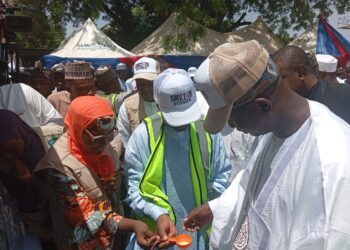
In collaboration with partners such as the WHO and the U.S. CDC, the NCDC has ramped up response efforts. These efforts include clinician sensitization, community awareness campaigns, distribution of treatment resources, and training for healthcare workers. Additionally, the agency has deployed 10 rapid response teams to assist states in integrating Lassa fever risk communication into broader viral hemorrhagic fever campaigns and has launched an e-learning platform focused on infection prevention and control.
The NCDC urged states to maintain ongoing community engagement regarding Lassa fever prevention and encouraged healthcare workers to uphold a high level of suspicion for early referral and treatment of suspected cases.
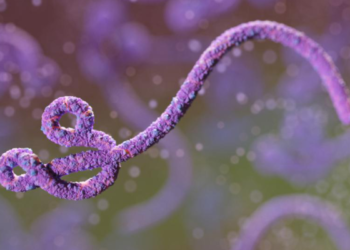
Lassa fever, a viral hemorrhagic fever endemic to West Africa, is caused by the Lassa virus, which is transmitted by Mastomys rats. The virus spreads through contact with contaminated food, surfaces, or the bodily fluids of infected individuals.
It is estimated that between 100,000 to 300,000 people contract Lassa fever annually in West Africa. While many cases present mild symptoms such as fever, headache, fatigue, cough, or sore throat, approximately 20 percent can escalate to severe conditions, including bleeding, seizures, confusion, or organ failure. Pregnant women are particularly vulnerable, with over 75 percent of infections leading to pregnancy loss. Survivors may also face long-term effects such as permanent hearing loss, even after experiencing mild illness.
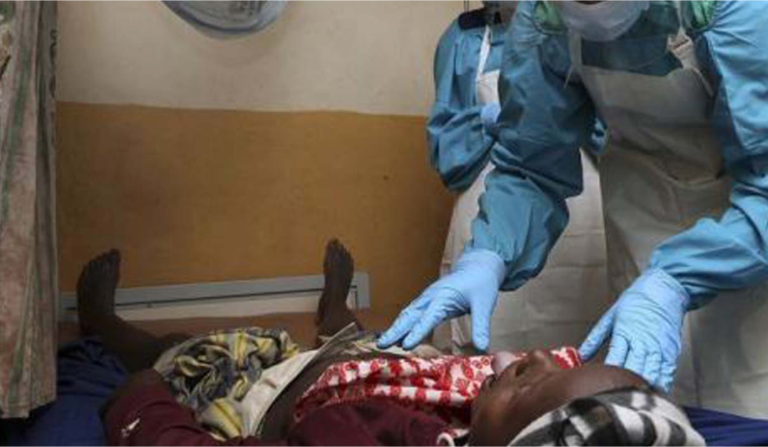
Severe Lassa fever can result in complications like kidney failure, inflammation of the heart and liver, fluid accumulation in the lungs, and dangerous clotting disorders. Without proper infection control measures and protective equipment, the virus can also spread within healthcare settings.
Currently, Lassa fever remains confined to West Africa, with no cases reported in the U.S. or other regions. The countries most affected include Nigeria, Benin, Guinea, Liberia, Mali, and Sierra Leone.
(NAN)