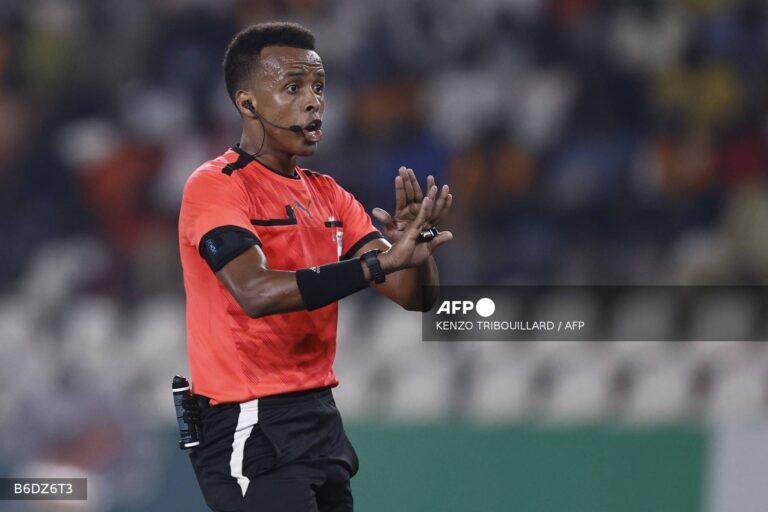
MIAMI – A Somali referee selected for the 2026 World Cup finals has been denied entry to the United States, despite holding a valid visa, a senior Somali sports ministry official confirmed on Monday.
Omar Artan, a FIFA-accredited official and one of Africa’s most respected referees, was barred from entering the country at Miami International Airport. He has since returned to Istanbul, where he has been residing.
While the precise reason for the denial remains unclear, Somalia is among several nations included on a travel ban list introduced by the administration of former US President Donald Trump and maintained under current immigration protocols.
‘A symbol of inspiration’
Ciise Aden Abshir, a senior adviser to Somalia’s Ministry of Youth and Sports and a former national team captain, condemned the decision.
“Omar Artan is among Africa’s most respected referees and deserves the support of the entire football community,” Abshir told AFP.
“Denying him entry to the United States and preventing him from officiating scheduled matches harms not only him personally but also undermines football’s commitment to fairness, merit, and the spirit of fair play.”
Artan was poised to make history as the first Somali to officiate at a World Cup finals. He was among 52 referees announced by FIFA for the June–July tournament, which is being co-hosted by Canada, Mexico, and the United States.
Distinguished career
Artan has officiated in the Somali national football league since becoming a FIFA referee in 2018. His career highlights include the 2023 Africa Cup of Nations (AFCON) finals in Algeria, and in 2025, he was named Men’s Referee of the Year by the Confederation of African Football (CAF).
In April, Somalia’s President, Hassan Sheikh Mohamud, praised Artan following his historic selection for the World Cup.
“I commend the effort, professionalism, and integrity shown by referee Omar, as he has become a symbol of inspiration for the new generation of Somalis,” President Mohamud said.
Calls for clarity
The incident has raised questions among football officials and human rights advocates regarding the application of US travel restrictions to internationally accredited sports professionals. As of this report, US Customs and Border Protection had not issued a statement on the matter.
Artan’s exclusion from the World Cup finals represents a significant loss for Somali football and has drawn attention to the broader implications of travel bans on global sporting events.