
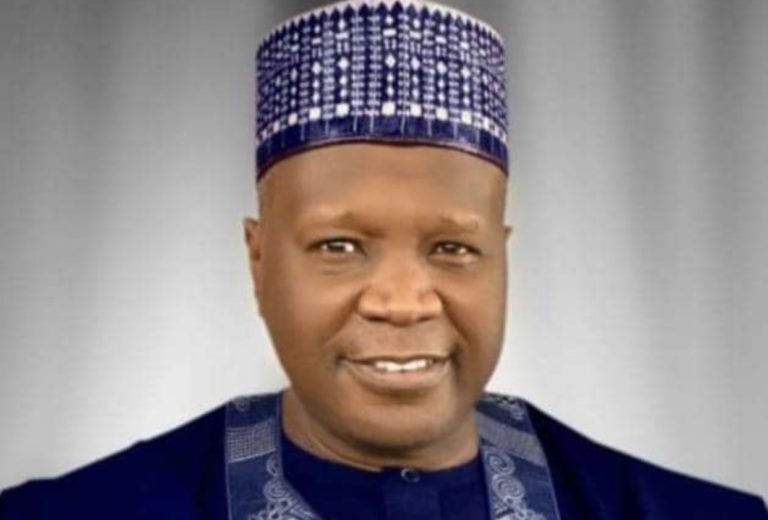
GOMBE, Nigeria – In a sweeping political move, Governor Inuwa Yahaya has approved the immediate dissolution of the Gombe State Executive Council, effectively sacking all commissioners with immediate effect. The decision, announced on Wednesday, is widely seen as a strategic realignment ahead of the 2027 general elections.
The Secretary to the State Government, Abubakar Njodi, disclosed the development in a formal statement issued after the council’s 53rd meeting, which was chaired by the governor himself. The meeting took place at the Government House in Gombe, the state capital.
According to Mr Njodi, the dissolution is intended to enable former council members who wish to contest elective positions in the 2027 polls to prepare adequately without the encumbrances of their official duties.
Immediate Handover Ordered
Mr Njodi directed all affected commissioners to hand over the affairs of their respective ministries to the most senior permanent secretaries without delay. He emphasised that the transition must be completed by Friday, leaving little time for protracted administrative handovers.
“Governor Yahaya has today approved the immediate dissolution of the State Executive Council,” Mr Njodi stated. “Consequently, all commissioners must hand over their ministries to permanent secretaries by Friday.”
The directive applies to all political appointees across the state’s ministries, departments, and agencies. The governor’s action effectively clears the decks for a potential cabinet reshuffle or the appointment of fresh faces in the lead-up to the next electoral cycle.
Resignation Deadline for Aspiring Candidates
In a further tightening of the rules governing political appointees, Mr Njodi announced that any government appointee with ambitions to contest in the 2027 general elections must resign their current positions on or before Friday.
“Government appointees intending to contest in the 2027 general elections must resign their appointments on or before Friday,” the secretary added.
This directive aligns with the provisions of Nigeria’s electoral laws, which require political office holders seeking elective positions to resign at least 30 days before party primaries. However, Governor Yahaya’s directive sets an earlier deadline, effectively forcing aspiring candidates to declare their intentions sooner rather than later.
The move is expected to trigger a wave of political realignments within the state’s ruling All Progressives Congress (APC), as cabinet members and other appointees weigh their options and potential constituencies.
Governor Thanks Outgoing Council Members
Mr Njodi further disclosed that Governor Yahaya expressed his profound gratitude to the outgoing council members for their service and dedication to the state’s development. The governor wished them success in their future political ambitions, signalling that he bears no ill will towards those who may choose to contest elective offices.
“The governor thanked council members for their service and wished them success in their future ambitions,” Mr Njodi said.
While no specific reasons were given for the timing of the dissolution, political analysts suggest that the governor is seeking to avoid conflicts of interest and distractions within his cabinet as the 2027 election cycle gathers momentum. By clearing the executive council now, Governor Yahaya can either appoint a fresh set of commissioners focused entirely on governance or operate with a leaner administration for the remainder of his current tenure.
Political Context: Gombe State and the Road to 2027
Governor Inuwa Yahaya, a chieftain of the All Progressives Congress (APC), was first elected in 2019 and secured re-election for a second term in the 2023 governorship elections. Under the Nigerian Constitution, governors are limited to two terms of four years each. Consequently, Governor Yahaya is not eligible to contest the 2027 governorship election.
However, as a senior political figure in the North-East geopolitical zone, the governor is widely expected to play a significant role in shaping the APC’s strategy for the 2027 general elections, which will include presidential, National Assembly, and state assembly polls. Some political observers have speculated that Governor Yahaya himself may eye a senatorial seat or a national position within the party structure, though he has not publicly declared any such intention.
The dissolution of the executive council could therefore be a precursor to the governor’s own political transition, as well as an opportunity to reward loyalists and manage succession politics within the state.
Implications for Governance
With all commissioners now sacked, permanent secretaries will assume control of their respective ministries in an acting capacity. While this ensures continuity of civil service operations, it may slow down policy implementation and major capital projects until new commissioners are appointed – if indeed the governor chooses to appoint any before the end of his tenure.
Governor Yahaya has not indicated whether he intends to name a new executive council or allow permanent secretaries to run the ministries for the remainder of his term. The latter option would be unusual but not unprecedented, particularly for a governor in his final term who wishes to focus on legacy projects and political manoeuvring.
Reactions from Political Circles
Reactions to the dissolution have been mixed. Supporters of the governor have praised the decision as a necessary step to maintain focus and prevent conflicts of interest. They argue that allowing political appointees to use state resources for campaign purposes would be inappropriate, and that the governor’s early deadline ensures a clean break between governance and electioneering.
However, opposition figures have accused the governor of using the dissolution to purge perceived rivals and consolidate his grip on the state’s political machinery. Some have also expressed concern that the sudden removal of all commissioners could disrupt ongoing government programmes.
“There is a time for governance and a time for politics,” said a political analyst based in Gombe, speaking on condition of anonymity. “Governor Yahaya appears to be prioritising politics. Whether that serves the people of Gombe State remains to be seen.”
Legal Framework: Electoral Act and Resignation Requirements
Under the Nigerian Electoral Act 2022, political appointees seeking to contest elections are required to resign their positions at least 30 days before the date of their party’s primaries. The Independent National Electoral Commission (INEC) has consistently enforced this provision to prevent the use of public office for campaign advantage.
Governor Yahaya’s directive for appointees to resign by Friday – well ahead of any scheduled primaries – exceeds the minimum legal requirement. This suggests that the governor is determined to avoid any perception of impropriety or any legal challenges that could arise from late resignations.
What Happens Next?
The immediate aftermath of the dissolution will see permanent secretaries stepping into the roles of acting accounting officers for each ministry. They are expected to maintain routine administrative functions while awaiting further directives from the Governor’s Office.
Meanwhile, political appointees with electoral ambitions – including some of the sacked commissioners – must now decide which offices to pursue. Potential contests could include seats in the Senate, House of Representatives, or the Gombe State House of Assembly. Some may also angle for chairmanship positions in local government areas.
Governor Yahaya himself has not announced any post-governorship plans. Political watchers will be keenly observing his next moves, including whether he appoints a new executive council or allows the permanent secretaries to continue in acting capacities.
Conclusion
The dissolution of the Gombe State Executive Council marks a significant political turning point as the state prepares for the 2027 general elections. By sacking all commissioners and demanding the resignation of aspiring political appointees by Friday, Governor Inuwa Yahaya has signalled that the transition from governance to electioneering has begun.
While the governor has thanked his outgoing council members for their service, the political landscape of Gombe State is now poised for realignments, declarations of interest, and potential contests. For the people of Gombe, the focus will now shift to who emerges as the next set of political leaders – and whether the business of governance continues uninterrupted.
Elanza News will continue to monitor developments in Gombe State and provide updates as further announcements are made.
Reported by Elanza News Political Desk. Additional reporting from Gombe State.