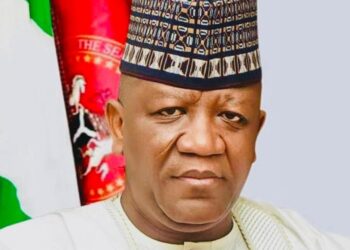

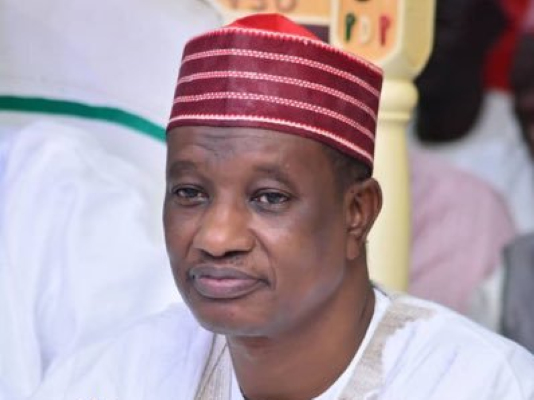
In a significant political development, the Kano State House of Assembly has commenced impeachment proceedings against Deputy Governor Aminu Abdulsalam. This decision, taken on Thursday, stems from serious allegations of gross misconduct, abuse of office, and breach of public trust.
During a plenary session led by Speaker Ismail Falgore, the impeachment notice was formally presented by Majority Leader Lawan Husseini Dala. In his address, Dala referenced Section 188 of the Constitution of the Federal Republic of Nigeria 1999, which authorises state legislatures to initiate impeachment processes against deputy governors for alleged gross misconduct.
Allegations of Financial Misconduct
The notice outlines several grave accusations against Abdulsalam, particularly regarding his tenure as Commissioner for Local Government from 2023 to 2024. Lawmakers allege that he engaged in corrupt practices by receiving kickbacks amounting to N1.5 million monthly from each of the 44 local government councils. This purportedly resulted in a staggering total of N66 million per month, accumulating to N462 million over a seven-month period.
Further allegations emerged concerning additional financial improprieties. Between February and July 2024, Abdulsalam is accused of receiving N3.255 million monthly from each local government under the pretense of executing special assignments. This additional income reportedly brings the total alleged financial misconduct to an alarming N726 million during this timeframe.
The notice also highlights another serious allegation: Abdulsalam purportedly facilitated the release of N10 million from each of the 44 councils, totalling N440 million, to NovoMed Pharmaceuticals Limited. This act is alleged to be in violation of the Kano State Public Procurement Law and Fiscal Management regulations, further compounding the accusations against him.
Legal Framework and Assembly’s Response
The assembly members assert that these actions constitute gross misconduct as defined under Section 188(2) of the Nigerian Constitution. They describe Abdulsalam’s actions as not only a breach of constitutional provisions but also a violation of the ethical standards expected from public officials.
In a display of legislative unity, 38 members of the assembly have reportedly added their signatures to the impeachment notice, indicating significant support for the proceedings. Following the official presentation of the notice, Speaker Falgore directed that a formal notice be served to Deputy Governor Abdulsalam, in accordance with the constitutional provisions governing impeachment protocols.
Implications for Kano State Politics
This development highlights a pivotal moment in Kano State politics, as the assembly’s move to impeach the deputy governor reflects growing concerns about corruption and accountability within the state’s leadership. The outcome of these proceedings could set a critical precedent for governance standards in Nigeria, particularly in a region where political integrity has been increasingly under scrutiny.
The ongoing situation has garnered significant public attention, with many citizens expressing their views on social media platforms. Some residents have called for transparency and accountability, emphasising the need for public officials to adhere to ethical standards in their conduct.
Next Steps in the Impeachment Process
As the impeachment proceedings unfold, the assembly is expected to follow a strict protocol to ensure that the process is fair and transparent. This includes providing Abdulsalam with an opportunity to respond to the allegations and present his defence before any final decision is made.
The assembly’s actions are closely monitored by political analysts, who suggest that the outcome may influence future elections and the political landscape in Kano State. The process will likely attract media coverage, further highlighting the importance of governance and ethical conduct in public office.
Conclusion
The Kano State House of Assembly’s decision to initiate impeachment proceedings against Deputy Governor Aminu Abdulsalam marks a crucial moment in the fight against corruption in Nigeria. As the proceedings progress, the assembly’s commitment to upholding ethical standards in governance will be tested. The outcome will not only affect Abdulsalam’s political future but may also have lasting implications for the integrity of public office in the region.